
Key Questions Before Buying a Decoating Furnace for UBC
A decoating furnace is specified as a system, not a kiln. Feed condition, coating load, throughput, burn loss and the emission basis decide whether the furnace runs cleanly inside the site's permit.
Used beverage can decoating is usually framed as a capacity question, but the questions that decide the outcome are about the feed, the coating and the off-gas. This guide lists what to fix before requesting a decoating furnace proposal.
Why the furnace is specified as a system
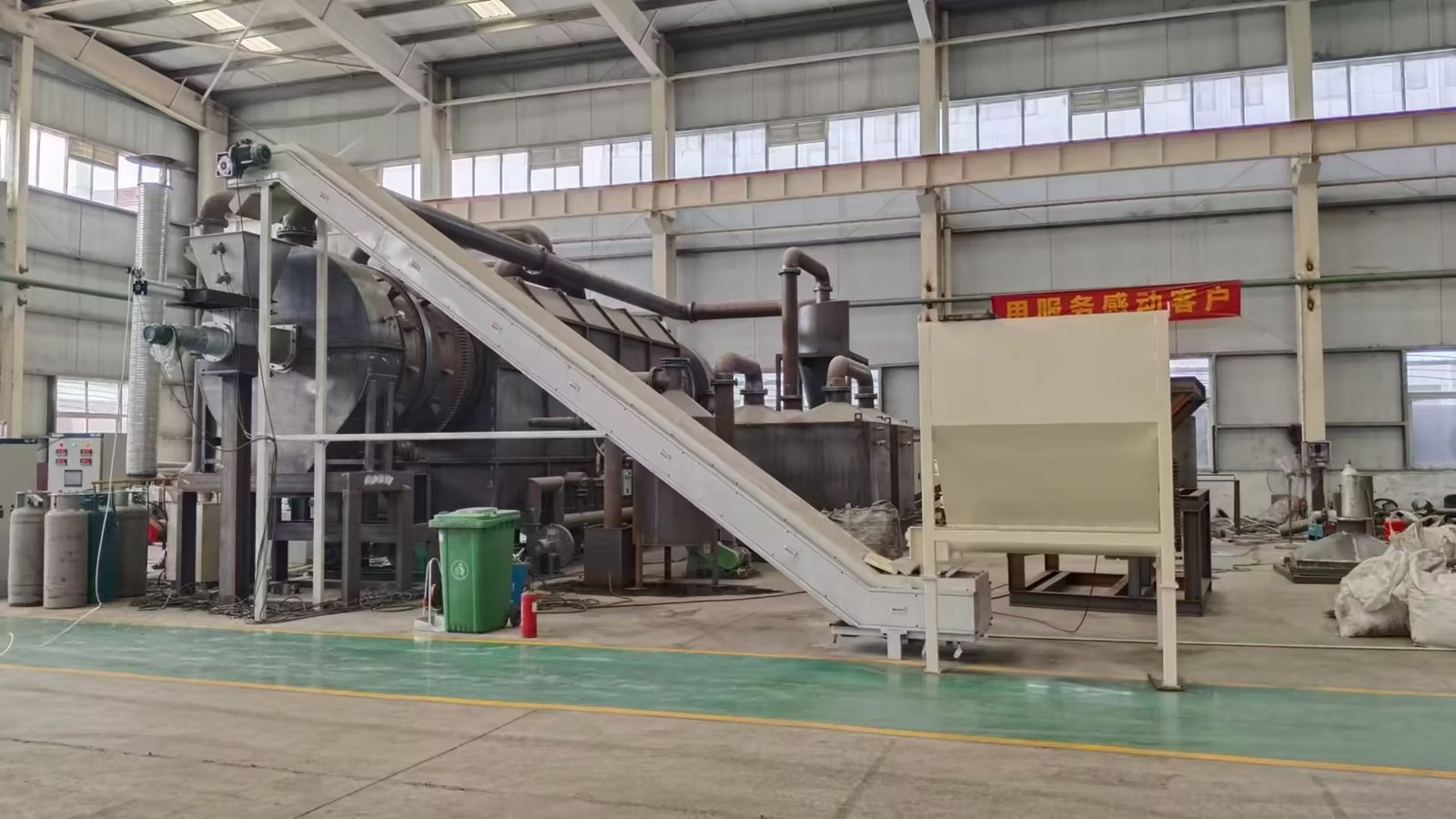
The drum is only one part of the route. Around it sit the feed handling, the low-oxygen heating, the volatile recirculation and the gas cleaning, and together they have to fit the feed and the site's permit. Buying the furnace as an isolated item tends to leave the interfaces - off-gas, energy and melt handling - to be solved later, usually at higher cost.
The questions that change the specification
- Feed - UBC, coated scrap or a mix, and whether it arrives shredded, baled or loose
- Coating - paint or lacquer chemistry and how heavily it is loaded
- Throughput - the tonnes per hour the furnace must sustain
- Metal burn loss - the decoating quality the melt shop requires
- Energy - whether the site can recirculate paint off-gas as fuel
- Emission basis - the off-gas and permit interface the site must meet
The confirmed specification reference
The UBC decoating line is confirmed at 2 to 8 tonnes per hour on a continuous rotary drum with UBC metal burn loss below 0.5%. Coated aluminium scrap is handled separately at 1.5 to 6 tonnes per hour with three-stage PID control from 400 to 540 degrees Celsius. These are published design points; the final configuration follows the feed and coating load.
Energy recovery and the emission interface
Where the paint load allows, the volatilised coating is recirculated as fuel and the remainder is treated, which reduces the external energy the furnace needs. The off-gas route follows the published thermal process emission basis - thermal oxidation at 850 degrees Celsius with a two-second residence time and downstream gas cleaning - with the buyer's permit determining the final interfaces. Asking for the coating chemistry and site emission basis before quotation keeps competing bids comparable on the same basis.
UBC decoating furnace buying FAQ
What information do you need for a first decoating quote?
Feed type and condition, coating load, target throughput and the site's emission basis. With those, we can confirm the furnace size, the energy recovery scope and the off-gas interfaces.
Does the UBC furnace run on recirculated paint gas?
Where the paint load allows, the volatilised coating is recirculated as fuel, but start-up always needs external heat and a low-coating feed needs more support. The exact balance is confirmed per project.
How is metal burn loss measured?
It is the metal lost during decoating, and the UBC specification confirms it below 0.5%. Keeping it low is the point of decoating before melting, because metal otherwise ends up as dross in the melt furnace.