Recycling & Thermal Processing Applications
Eight application routes across the three boards, each specified against the feedstock, condition and the recovered fractions the operator must produce.
An application page is not a machine page. It explains why a particular feedstock needs a particular route, what the route protects and what the buyer must confirm before a line is specified.
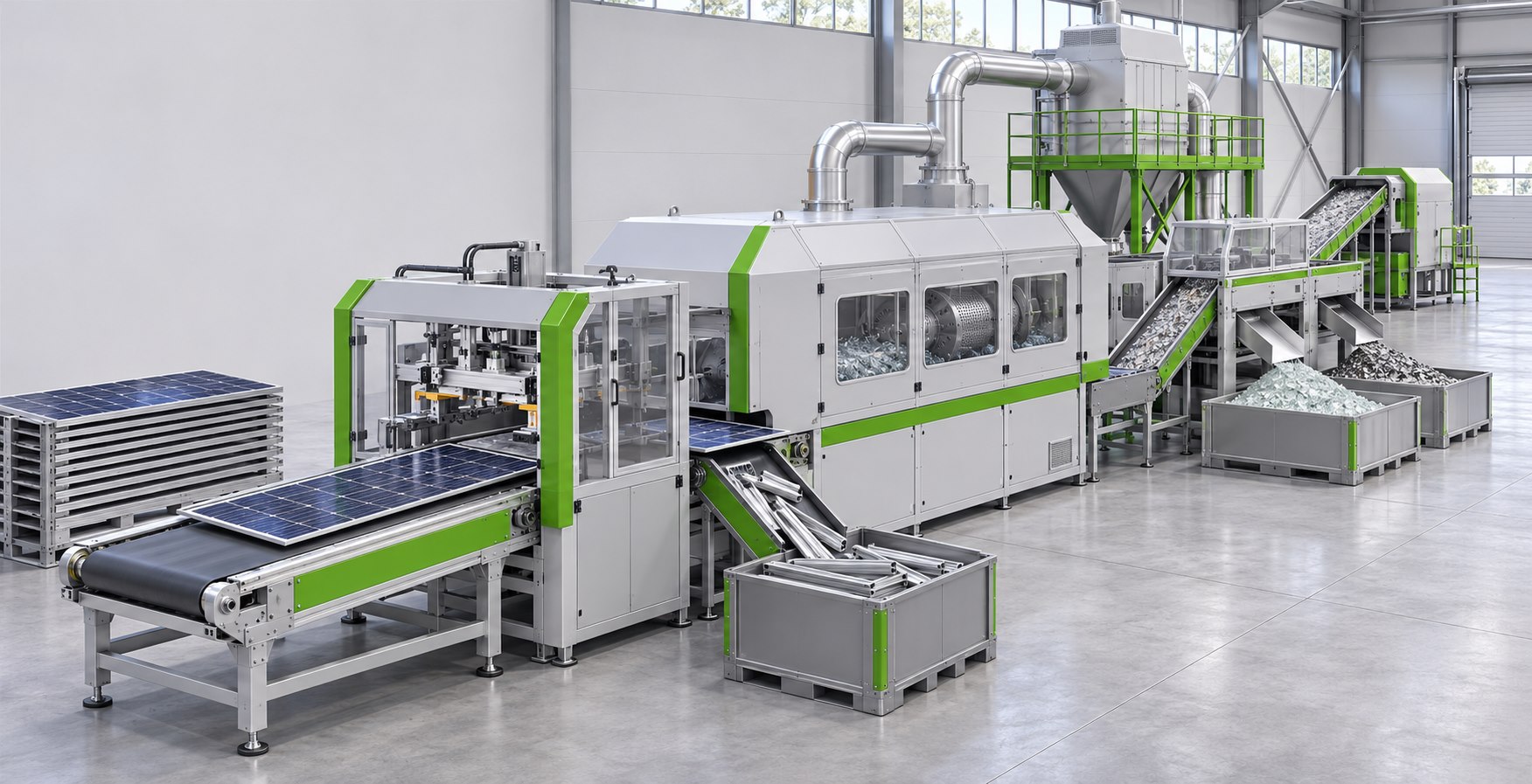
Crystalline Silicon PV Recycling
Module mix and glass construction set the front end for frames, glass, copper and silicon.
PV Manufacturing Scrap
Off-spec cells, cut-offs and rejects handled by composition and contamination.
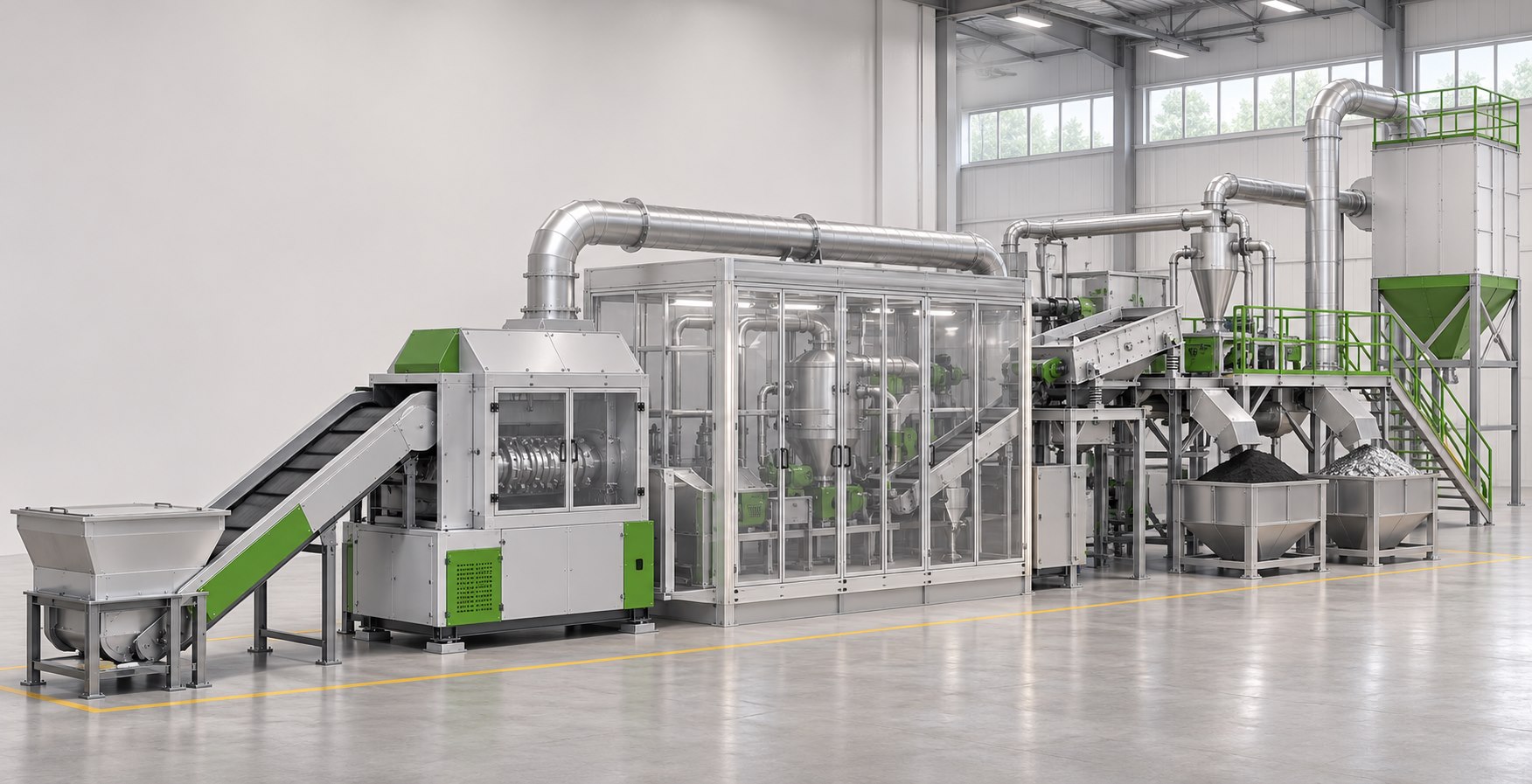
Battery Production Scrap
Off-spec cells and electrode cut-offs processed by chemistry and energy state.
End-of-Life Cell & Module
Spent cells, modules and packs handled by format, chemistry and residual charge.
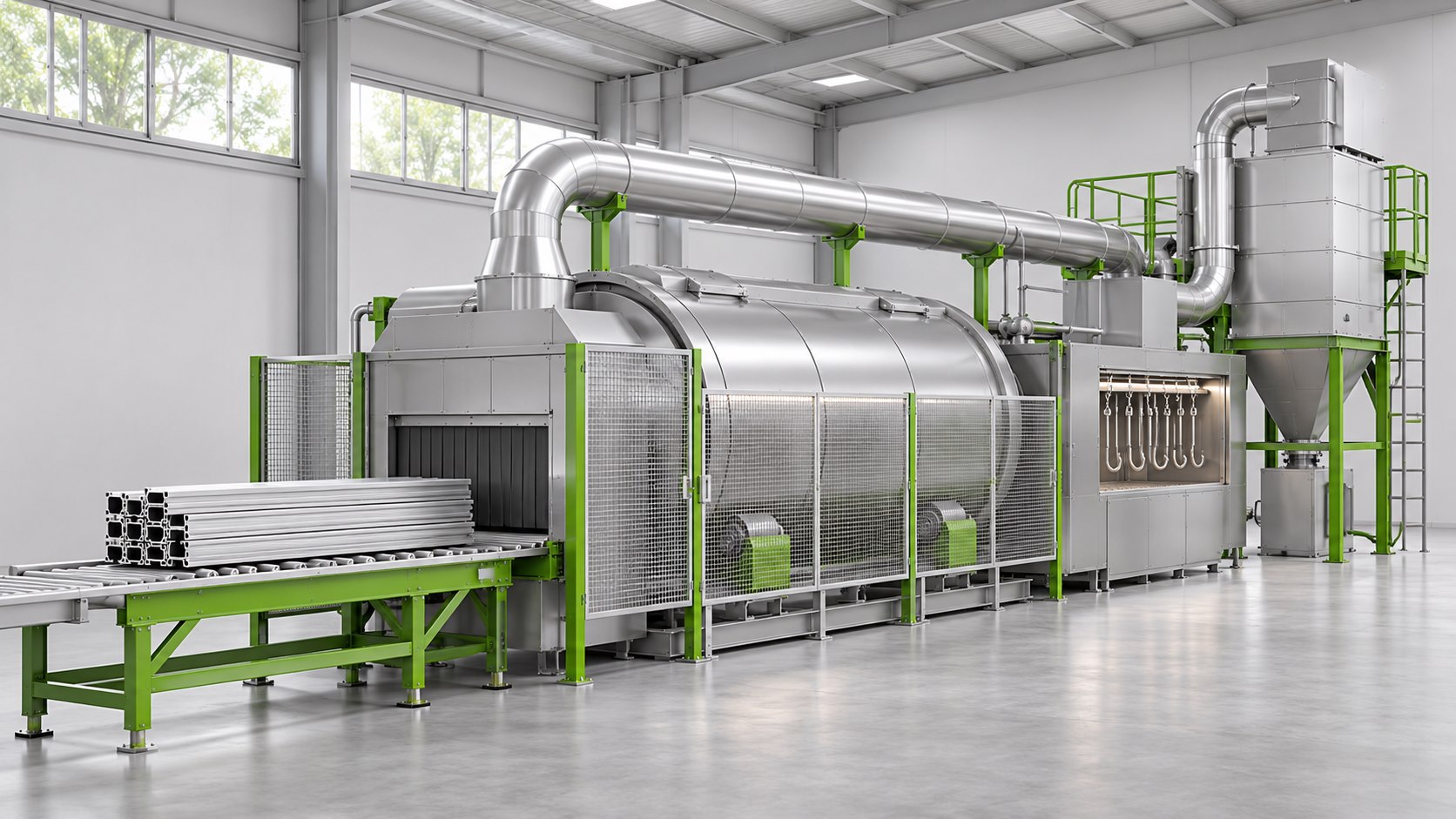
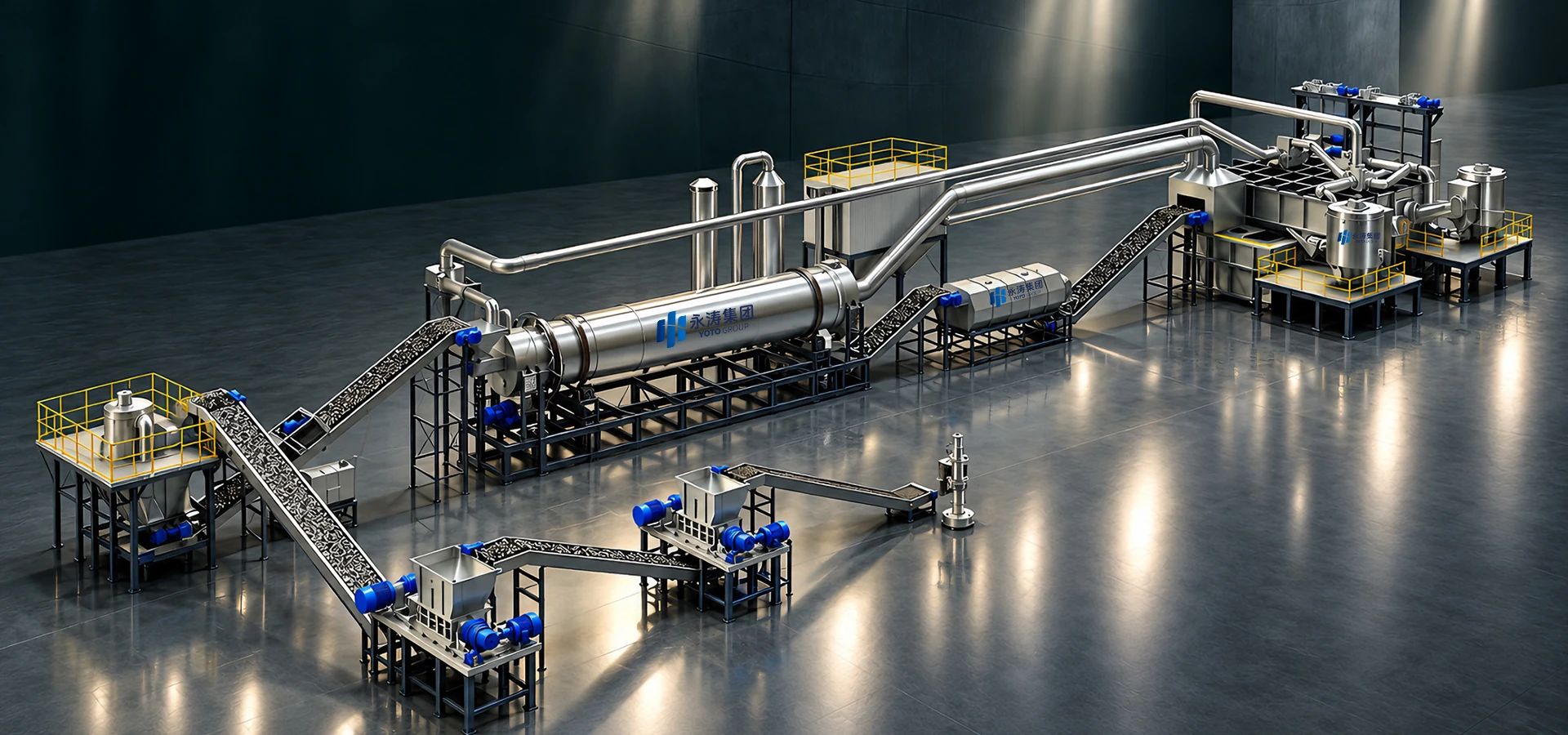
UBC Decoating
Lacquer removed before melting to raise yield and cut dross.
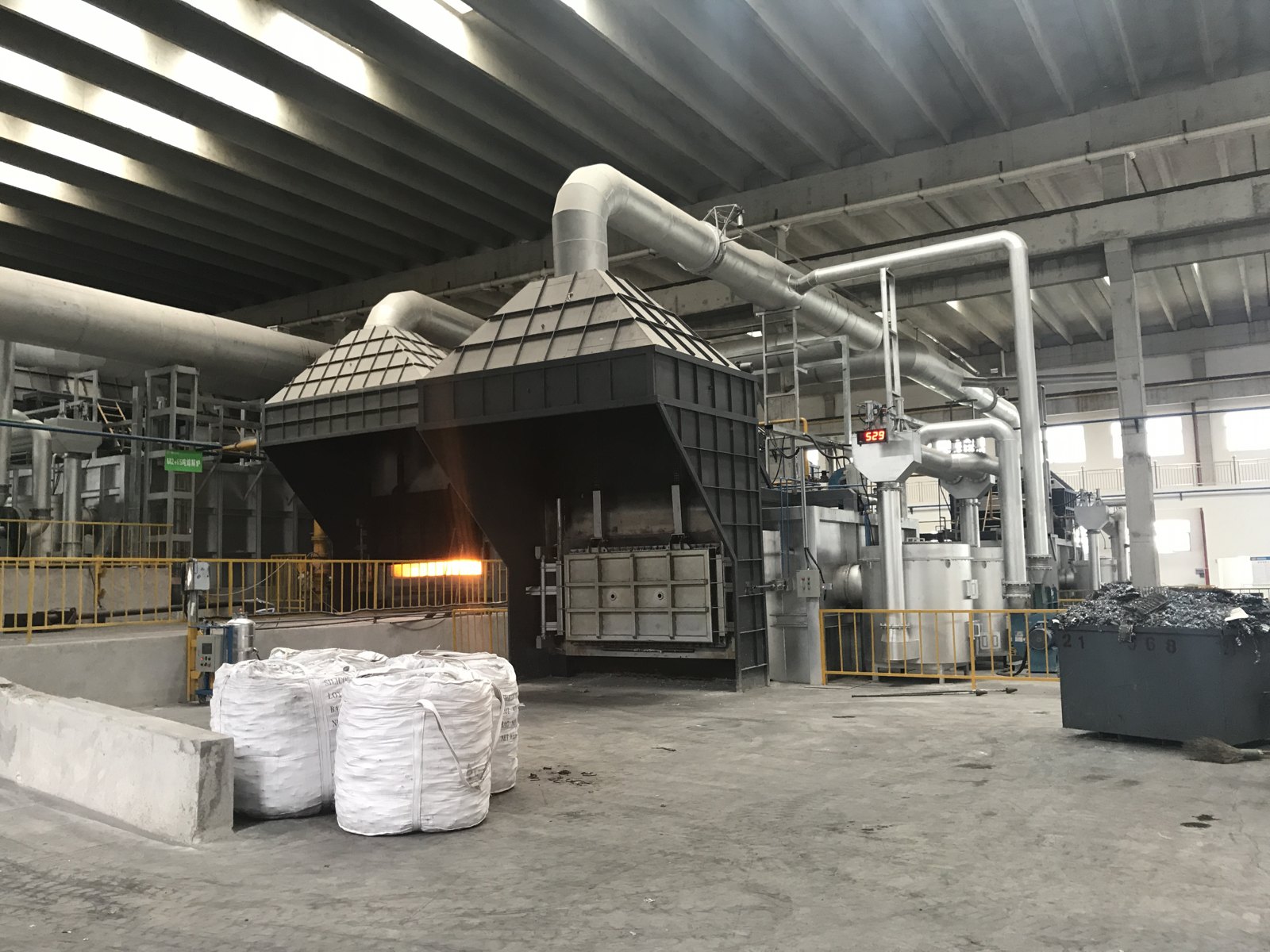
Coated Aluminium Scrap
Coated scrap cleaned before remelting against coating chemistry.
Hooks & Fixtures Cleaning
Paint stripped from coating hardware within the part's temperature limit.
Industrial Thermal Cleaning
Components restored by controlled thermal cleaning and post-cleaning.
Applications FAQ
What is the difference between an application and an equipment page?
An application page explains why a feedstock needs a particular route and what that route protects, while an equipment page states what a specific machine or line processes and produces. Both are needed to specify a project correctly.
Can one line handle several applications?
Sometimes, but the feed and duty must be compatible. Coated aluminium and UBC are different decoating duties, for example, and mixing them into one specification usually compromises both. We specify each feed and confirm whether one line fits.
An application differs from a machine. The machine page states what a specific line processes and produces, while the application page explains why a feedstock needs a particular route and what that route protects. A buyer usually starts at the application, confirms the route, and then moves to the equipment detail. Keeping the two separate makes each page answer one question instead of mixing the decision with the specification. The distinction also keeps the enquiry path clear, and both paths end at the same configured-route response.
The eight routes cover the feedstocks the three boards are built around. A buyer who recognises their material in the list can move straight to the matching route, and a buyer whose material is not listed should still ask, because the same route logic applies to adjacent feedstocks.
The eight routes are grouped under the three boards, so the site answers one question at a time: the application layer says why a route fits, the solution layer says what the line includes, and the equipment layer says what a specific machine produces. A buyer who follows that order arrives at the configured route with fewer assumptions to unwind.