
Technology & Validation
Four engineering disciplines run across all three boards: material testing, safety and emissions engineering, pilot trials, and controls and automation.
A route is only as good as the evidence behind it. Material testing confirms the route against the actual feedstock, safety and emissions engineering confirms the plant can operate inside its permit, pilot trials de-risk the scale-up, and the control layer makes the whole thing repeatable.
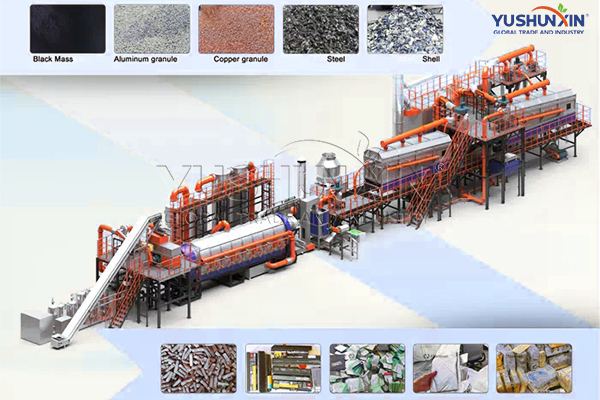
Material Testing & Validation
Characterise the feedstock, run a representative trial and issue a documented result.
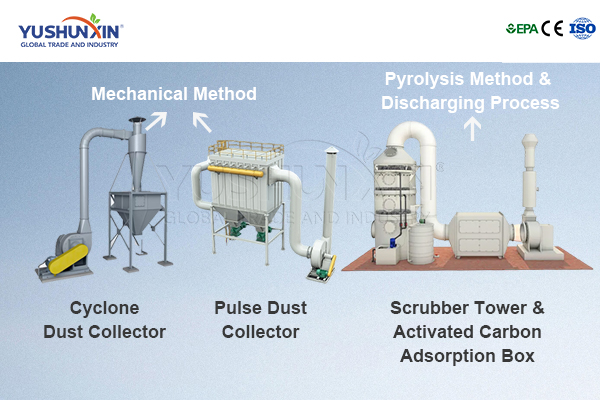
Safety & Emissions Engineering
Dust, off-gas, discharge and explosion controls sized with the route and the site permit.
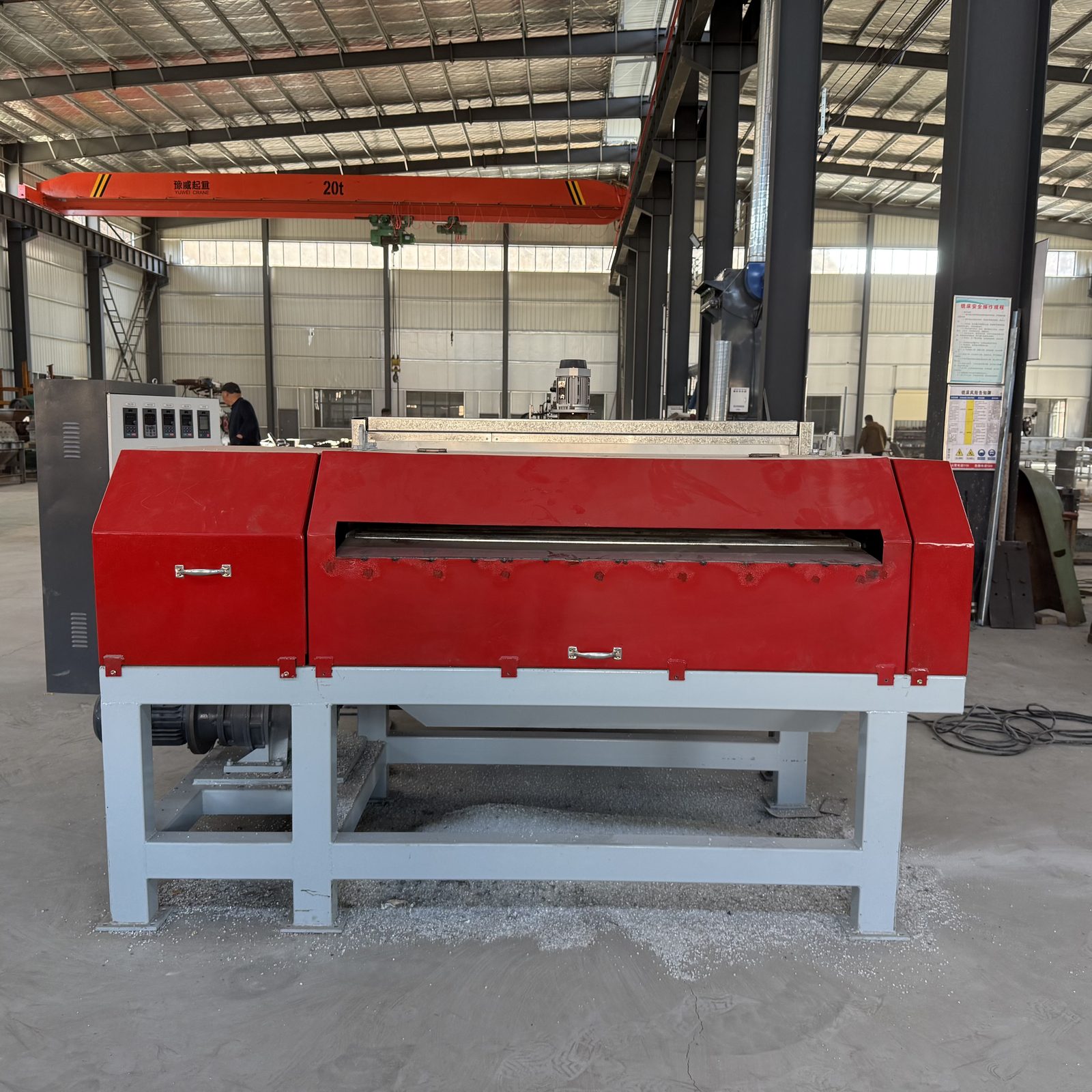
Pilot Trials & Scale-up
Prove the route on a smaller scale before committing to a full production line.
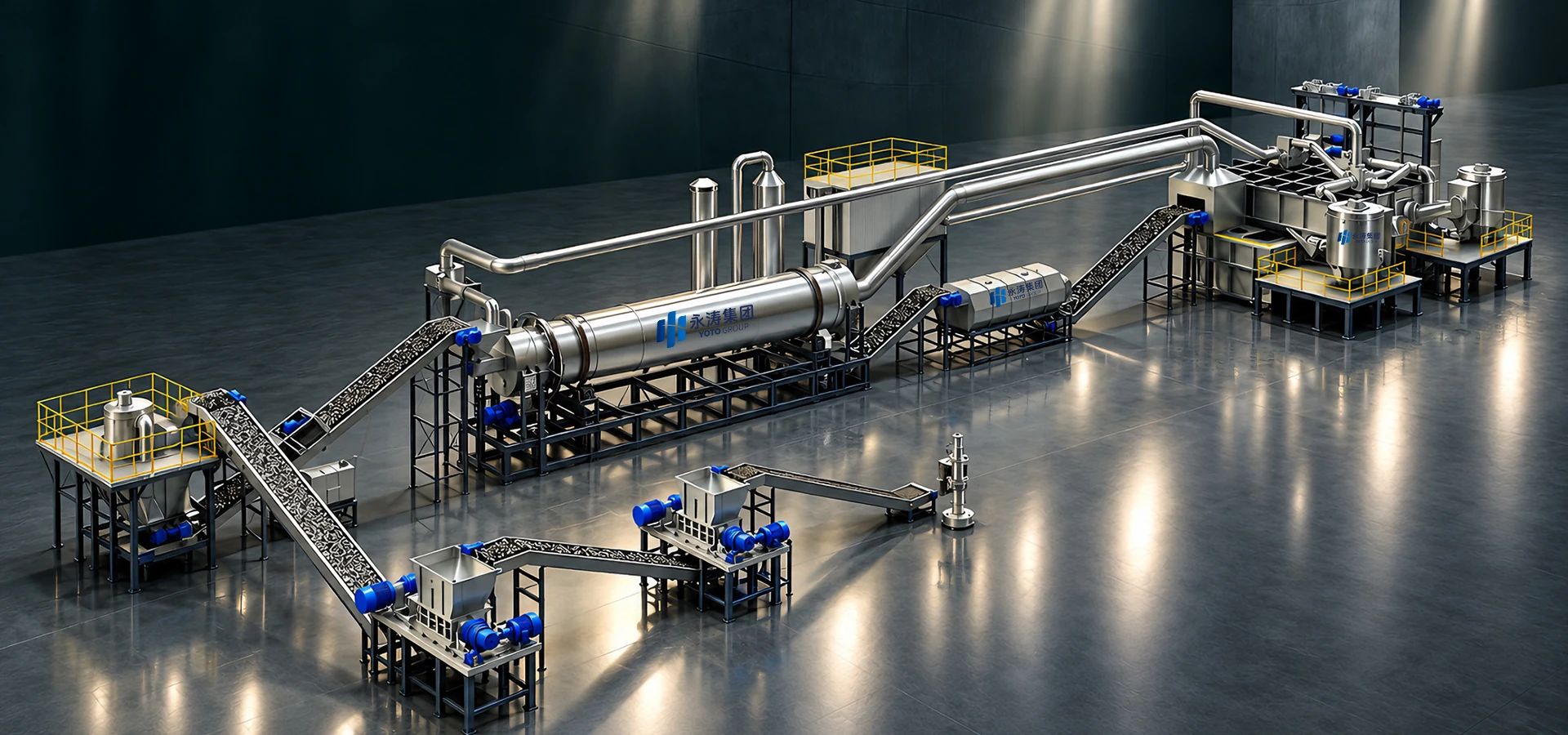
Controls & Automation
Electrical basis, PLC and SCADA architecture, interlocks and operating data.
Technology FAQ
Do I need a pilot trial before a full line?
Not always, but a pilot is the cheapest way to answer the critical unknowns on your actual material. For batteries it proves discharge and inerting behaviour, for PV it shows encapsulant release, and for decoating it confirms the temperature profile and off-gas load.
What control platforms do the lines use?
The control architecture uses Siemens or Schneider PLC platforms with DCS or SCADA supervision where the project calls for it, and motor voltages are matched to the site's 380, 480 or 600 V supply.
The four disciplines run across all three boards. A PV line needs its module mix validated, a battery line needs its discharge and dust basis fixed, and a decoating line needs its coating chemistry and off-gas route confirmed. The same material testing, safety engineering, pilot and controls logic applies to each, which is why the technology pages are shared rather than repeated per product. The shared pages also keep the engineering consistent, so a buyer who reads the safety page once understands the same discipline on a battery line and a decoating line, which shortens the conversation and lets the specification move faster.
The same pages also serve the operator after purchase. A controls question, a pilot question or a safety question can be answered against the same principles described here, so the site remains useful after the order rather than stopping at the quotation. That continuity is part of why the technology section is written as engineering guidance rather than marketing copy.
Every discipline ends in a documented result rather than a verbal claim. A material test produces a report, a safety review produces the basis of design, a pilot produces a scale-up record, and a control review produces the architecture the operator will run. Standard lines are manufactured in 30 to 45 days and proven with a 72-hour continuous run on real material before handover.