
ENV-SOL-LFP Lithium Battery Recycling Plant for Black Mass Recovery
A dry physical recycling line that moves spent lithium-ion cells and packs through safe discharge, inerted shredding and multi-stage separation to recover black mass, copper and aluminium.
The ENV-SOL-LFP is configured for the chemistry, cell format, state of charge and throughput of the actual battery stream, with the discharge, dust and inerting basis fixed before manufacture. It produces a black mass fraction plus copper and aluminium for downstream refining, with no wastewater discharge from the dry process.
What the plant does and where it sits in the recycling chain
The plant occupies the middle of the battery recycling chain: it receives discharged or stabilised cells, modules and packs, reduces them to a processable size and separates the resulting material into distinct value fractions. It does not perform hydrometallurgical refining, but it prepares the black mass, copper and aluminium so a refiner can handle each stream without contaminating the others. Placing this stage correctly matters because every downstream step is cleaner and cheaper when the feed fractions are already separated and when residual electrolyte, separators and casing material are removed as early as possible.
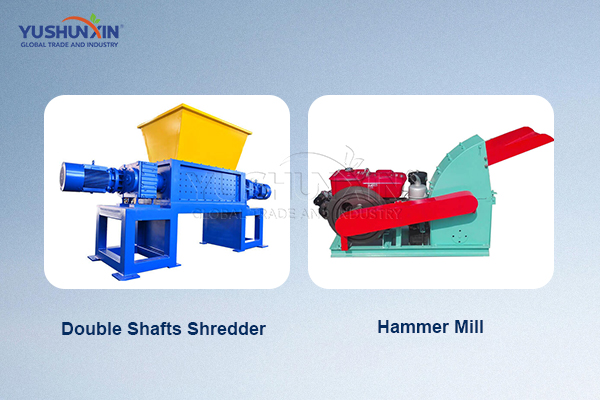
The value of getting this stage right compounds downstream. A refiner that receives black mass mixed with copper or aluminium must re-separate before leaching, and every extra handling step loses material. By the time a battery has been discharged, shredded and sorted, the plant has already decided how clean the refiner's feed will be, which is why this stage is specified with the same care as the chemistry itself.
The same stage also sets the material balance for everything downstream. If the shredder produces too wide a particle range, the magnetic, density and screening stages have to work harder, and the black mass carries more metal contamination. Controlling the size-reduction step is therefore the first lever on recovered fraction quality, not an afterthought of the safety design, and it is why the shredder and the separation train are specified as one balanced route rather than as separate machines.
Feedstock chemistry, format and state of charge that shape the design
NCM, LFP and consumer pouch chemistries do not behave the same way in a shredder or a separation train, and cylindrical 18650 or 21700 cells, prismatic cells, modules and full EV packs each require a different pre-treatment sequence. A pack must be discharged and often dismantled or de-cased before the cells are reduced, while production scrap may arrive already separated but carrying residual charge. Because the energy state and format change the discharge requirement and the shredding safety measures, the line is selected against the actual stream rather than a single generic machine list. Sending the chemistry, format, condition and state of charge up front shortens the specification loop considerably.
Two batteries of the same chemistry but different formats rarely behave identically in a shredder. Hard cylindrical cells resist size reduction differently from soft pouches, and a full EV pack brings structural steel, busbars and cooling hardware that a bare cell stream does not. The pre-treatment sequence is chosen for those physical differences, not for a generic battery.
A buyer who describes the stream in these terms gives the supplier enough to choose the discharge route and the shredding configuration, and the conversation moves from general questions to a defined route. The feed description is the difference between a quotation and a guess, because a battery line specified without the chemistry, format and condition is not really specified at all.
Confirmed specifications and what available-on-request means
| Processing capacity | 500-3,000 kg/h battery cells |
|---|---|
| Inert atmosphere | N2 protected chamber, O2 below 3% |
| Black mass recovery | 95% or more |
| Feedstock | EV packs, prismatic cells, 18650/21700, pouch cells |
| Process | Dry physical recycling, no wastewater |
Figures that depend on the specific project, such as utility demand, installed power, footprint and the exact fraction purities for a given feedstock, are confirmed after the sample and site data are reviewed. Stating available on request is deliberate: it keeps the public page honest instead of publishing a generic value that would be wrong for your stream. The confirmed table above is the stable design envelope; everything project-specific is quantified in the quotation with its basis.
Keeping the public specification to confirmed figures is a deliberate choice. When a buyer needs an exact installed power or footprint, those values are calculated against the real feed and site rather than borrowed from a catalogue, so the quotation and the plant match. A generic number published up front would be wrong for most projects.
Read the table as a design envelope, not a menu. The capacity, inerting, recovery and feedstock entries are the values that stay true across projects, while the utility demand, footprint and fraction purities are calculated once your feed is known. That split is what lets the page be specific without pretending one number fits every plant.
Process route from safe discharge to separated fractions
Safe discharge or stabilisation
Residual energy is managed before size reduction so the cells can enter the shredder without uncontrolled energy release.
Inerted shredding
Cells, modules and packs are reduced under nitrogen protection with oxygen held below 3%, keeping the dust and reactive atmosphere controlled.
Multi-stage separation
Magnetic, density, screening and air stages route the material so black mass, copper and aluminium leave through dedicated streams.
Fraction collection
Each output is collected separately and ready for the downstream refiner or smelter, with dust and off-gas handled inside the equipment boundary.
The stages are not independent. A change in shredder settings shifts the particle size that the magnetic, density and screening stages must handle, so the train is balanced as one route. That is why commissioning runs the whole line on real material rather than testing each machine alone and hoping the interfaces work.
Balancing the train is also what makes the stated throughput real. A line is only as fast as its slowest stage, and a shredder that outpaces the separation stages simply moves material into a pile. The route is specified as one balanced system so the capacity number is what the plant can actually sustain hour after hour, not a peak that only the shredder can reach.
Safety, dust and inerting interfaces the site must provide
Battery shredding carries two distinct risks: thermal runaway from residual energy and combustible dust from the casing, separator and electrode materials. The plant manages both as part of the route. Nitrogen inerting keeps the oxygen level below 3% in the critical chamber, dust collection is sized with the shredding duty, and the discharge step is designed into the front end rather than left to site improvisation. The buyer must confirm the utility interfaces, fire systems and the emission basis of the site so the equipment can be integrated cleanly. These are not optional add-ons; they are part of the design basis.
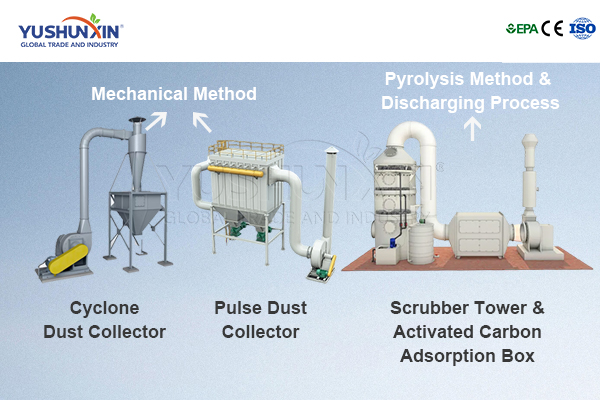
The site contribution is equally important. The inert gas supply, the dust extraction ducting and the fire protection interfaces must be present and matched to the line, and the permit has to cover the operation. Confirming these before manufacture avoids a plant that arrives ready but cannot be connected to the site it was built for.
The permit sits on the same checklist as the utilities. The dust and off-gas interfaces have to be covered by the site's authorisation, and a line specified without them can arrive ready but unable to run legally. Confirming the permit basis together with the power, inert gas and fire interfaces is part of the design work, not a formality to close after the equipment has been built.
How to specify the line and what to send first
Start with four data points: chemistry and cell format, physical condition and state of charge, target throughput, and the quality targets for black mass, copper and aluminium. From those we confirm the discharge route, the shredding and inerting duty, the separation stages and the utility and emission interfaces. A representative sample then validates the route against the actual material. Buyers who plan to phase capacity in steps can also confirm how the line scales from a first module to the full 500-3,000 kg/h envelope, so the initial purchase is not a dead end.
A clear specification also protects the buyer at the comparison stage. When every supplier receives the same chemistry, format, condition and output targets, the bids become comparable and the missing stages show up as differences instead of being hidden in a low machine price. The specification is therefore a negotiating tool, not a formality.
A written specification also helps the buyer hold suppliers to the same standard. When the chemistry, format, condition and output targets are fixed in the request, every bid has to answer the same question, and a low price that quietly omits a separation or dust stage becomes visible instead of hidden. The specification is therefore a procurement tool as much as an engineering one.
Model selector: three questions that change the build
NCM streams typically carry more value in the metal fraction and need careful copper and aluminium cleanliness, while LFP streams shift attention to iron phosphate handling and the black mass specification. Consumer pouch cells add separator and casing behaviour that is different from hard-case cylindrical cells.
- Prismatic cells and modules often need a de-casing stage before shredding.
- Cylindrical 18650 and 21700 cells feed the shredder directly after discharge.
- Pouch cells require handling that keeps the flexible casing from wrapping rotating parts.
- Full EV packs need discharge, de-casing and possibly manual dismantling first.
Production scrap is usually cleaner and more homogeneous than end-of-life cells, but it can still arrive charged. End-of-life packs add contamination, swelling and variable state of charge, which shifts the discharge and sorting design. The same machine set is not the right answer for both streams, which is why condition is a specification input and not a footnote.
Lithium battery plant FAQ
Does the plant handle both NCM and LFP cells?
Yes. The route is configured against the actual chemistry and format, so a mixed NCM and LFP stream is specified for its specific fractions rather than forced through a single generic setting. Send the cell types, format and state of charge for a fit assessment.
Is the black mass ready for sale to a refiner?
The plant produces a separated black mass fraction plus copper and aluminium for downstream refining. The refining step itself sits outside the equipment boundary unless agreed, so the buyer should confirm the refiner's acceptance specification before fixing the black mass purity target.
What utilities and site conditions are required?
The line needs an inert gas supply, dust collection, power and the agreed fire and emission interfaces. The exact duty is confirmed against the throughput and chemistry, which is why we ask for the site basis before issuing a firm quotation.
Related equipment and solutions
Battery Recycling Solution
The full route from safe discharge to black mass, copper and aluminium recovery.
Battery Production Scrap
How off-spec cells and electrode cut-offs are handled by composition and energy state.
Vietnam Battery Line Reference
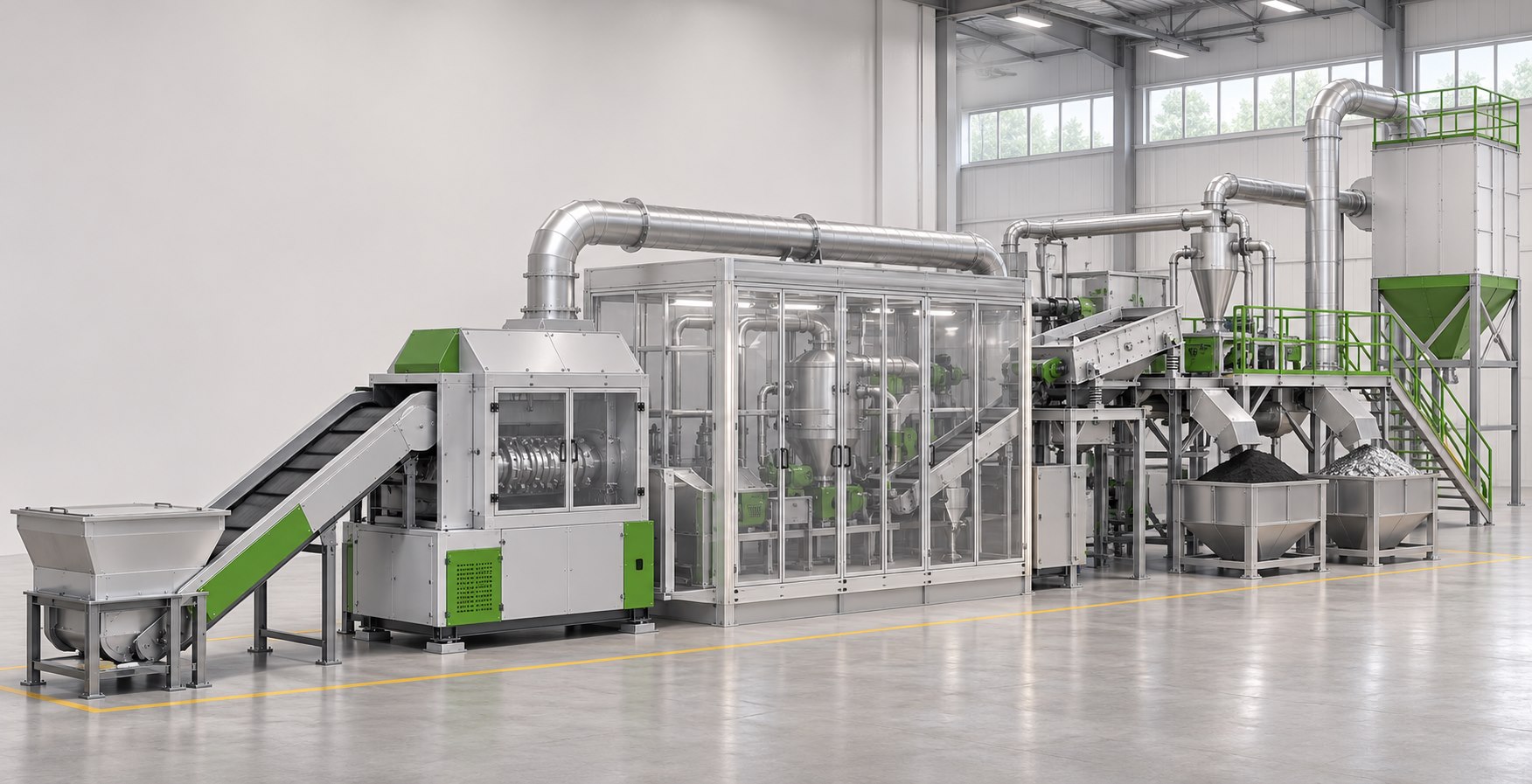
Illustrative 3D renderingA turnkey physical sorting line with nitrogen inerting and black mass recovery.