
UBC Decoating Systems
Controlled low-oxygen heating removes lacquer and coatings from used beverage cans before the metal enters melting.
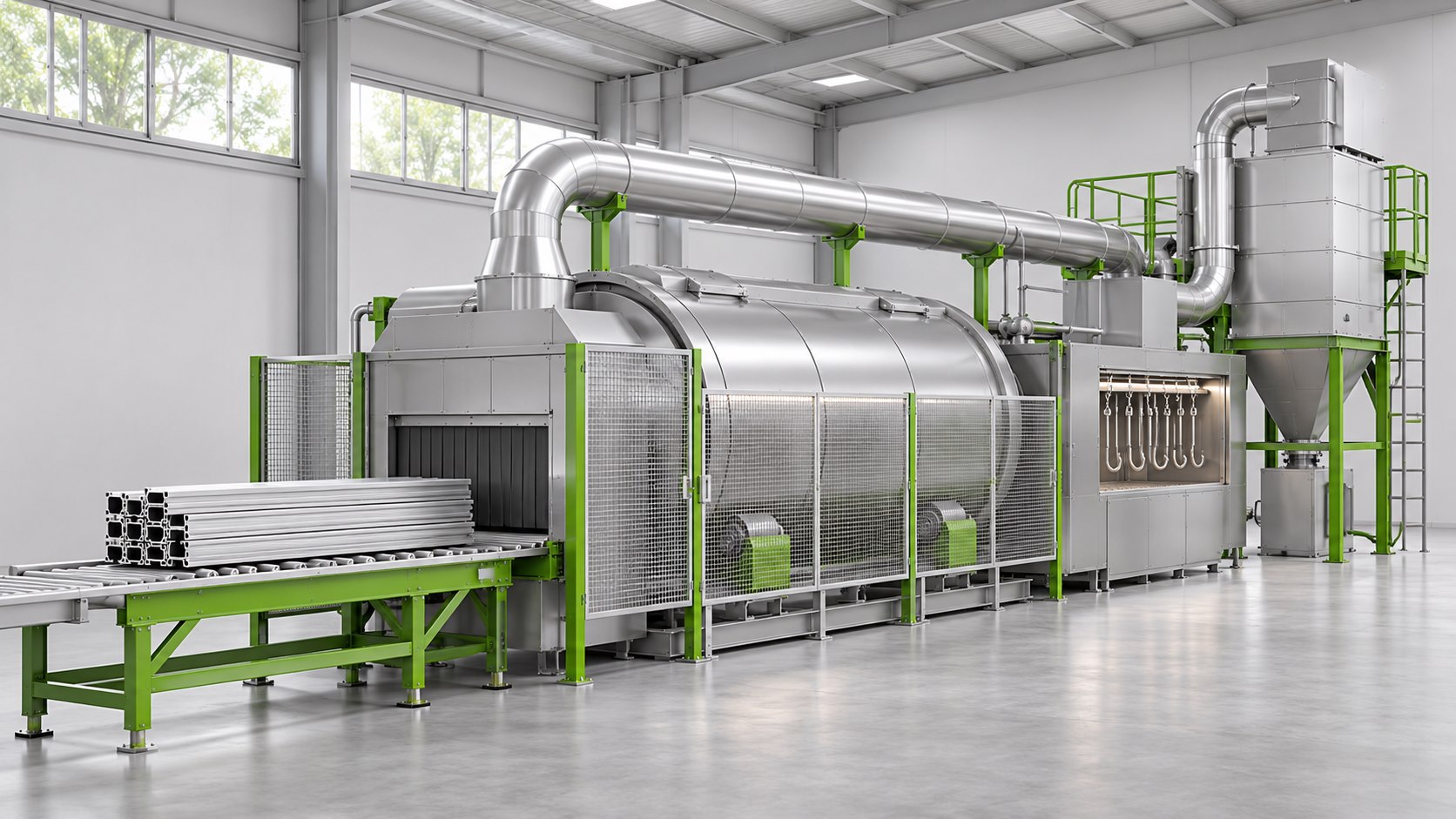
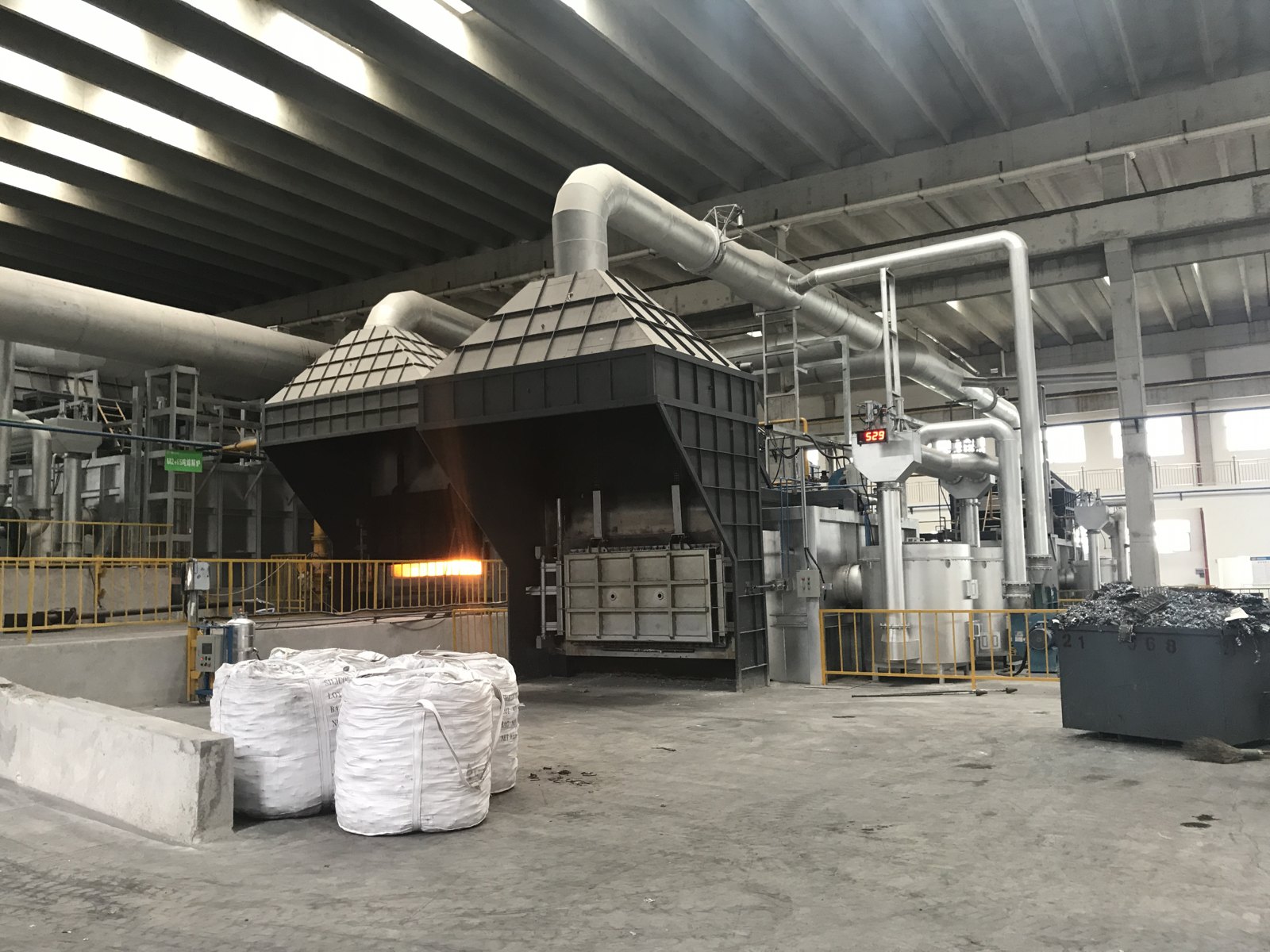
Decoating before melting improves metal yield and reduces dross and emissions. The furnace is supplied with feeding, heating, emission-control and melting interfaces.
Why decoating pays
Lacquer and printed coatings burn off as the can enters the furnace, but burning them inside the melt furnace wastes metal to dross and complicates the off-gas. Removing the coating first under controlled low-oxygen conditions keeps the charge clean and the emission stream manageable. The confirmed decoating specification is below 0.5% metal burn loss, and the wider benefit is a steadier furnace with fewer dross interruptions.
Typical route and the energy loop
Feeding
Cans metered into the decoating chamber.
Decoating
Coating removed under low-oxygen heating.
Off-gas handling
Volatiles routed to the emission control system.
Transfer to melt
Clean metal delivered to the melting stage.
The volatilised coating is recirculated as a fuel gas where the paint load allows, which reduces the external energy the furnace needs. The exact balance is confirmed per project against the actual coating load.
What we need from you
- Feed type and coating chemistry
- Hourly throughput and residual limits
- Energy and emission basis
- Melt capacity and downstream interface
UBC decoating FAQ
What does decoating do to metal yield?
Removing the lacquer before melting keeps the coating from burning inside the melt furnace, where it would consume metal as dross. The confirmed decoating specification is below 0.5% metal burn loss, and the wider benefit is a steadier furnace.
Is the off-gas recirculated?
Where the paint load allows, the volatilised coating is recirculated as a fuel gas to reduce external energy. The exact balance is confirmed per project against the actual coating load and throughput.
The melting interface is where the decoating decision pays off. Clean metal that arrives at the melt furnace at the right rate and temperature keeps the furnace stable and the dross low, while a decoater that runs out of step with the melt simply moves the bottleneck. Sizing the feeding, the drum and the transfer together is what turns the decoater into a reliable feed source for the melt shop.
The feed arrival form completes the picture, because baled, shredded and loose cans change the front-end handling and the metering that feeds the drum at a steady rate.
The furnace is built at the 25,000 m2 manufacturing base in Henan, China against the confirmed ISO9001, CE and EPA Compliant basis, with the continuous rotary drum, the emission control and the melting interface documented together so the melt shop receives clean metal at a steady rate.