
Paint Stripping for Hooks & Fixtures
Thermal cleaning strips paint and coatings from hooks and fixtures so they can be reused without damaging the base material.
Hooks and fixtures carry the load through the coating line and build up paint. Thermal stripping restores them within temperature and cycle limits set by the base material.
The part sets the limit
The stripping temperature must stay below the point where the hook or fixture loses strength or distorts. Material, section size and load weight decide the cycle, while the coating type decides the temperature and time needed to remove it. A fixture that has been cycled many times may have a lower tolerance than a new one, which is why the part envelope is a specification input.
Typical cleaning route
Loading
Parts loaded within the weight and size envelope.
Stripping
Coating decomposed under controlled heat.
Post-cleaning
Residue removed and parts inspected for reuse.
Post-cleaning is as important as the heating step. The decomposed residue has to be removed and the part inspected before it returns to the coating line, otherwise the next coat inherits the previous build-up.
What we need from you
- Material and maximum part size
- Load weight per batch
- Coating type and build-up
- Temperature limit and required cleanliness
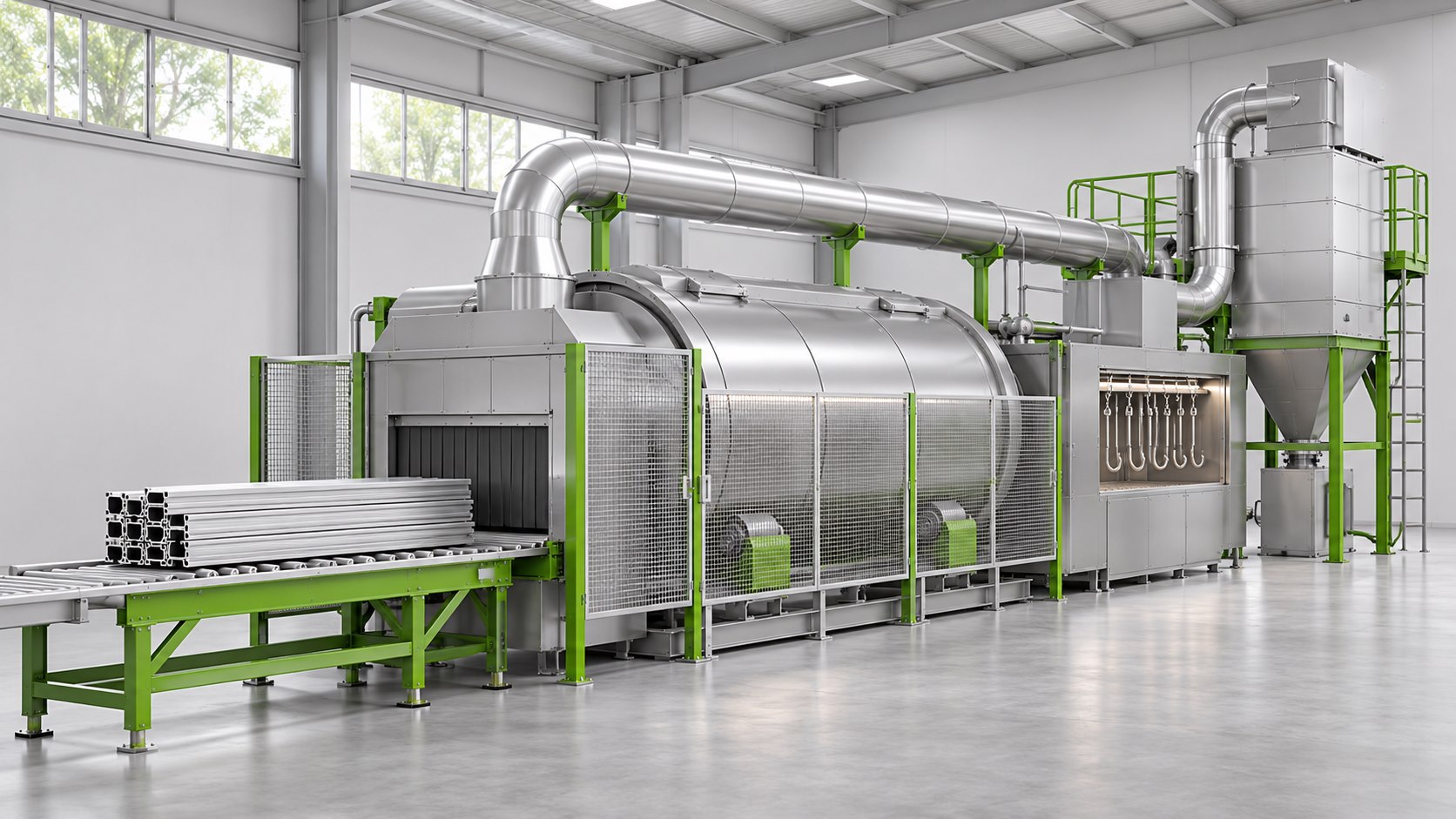
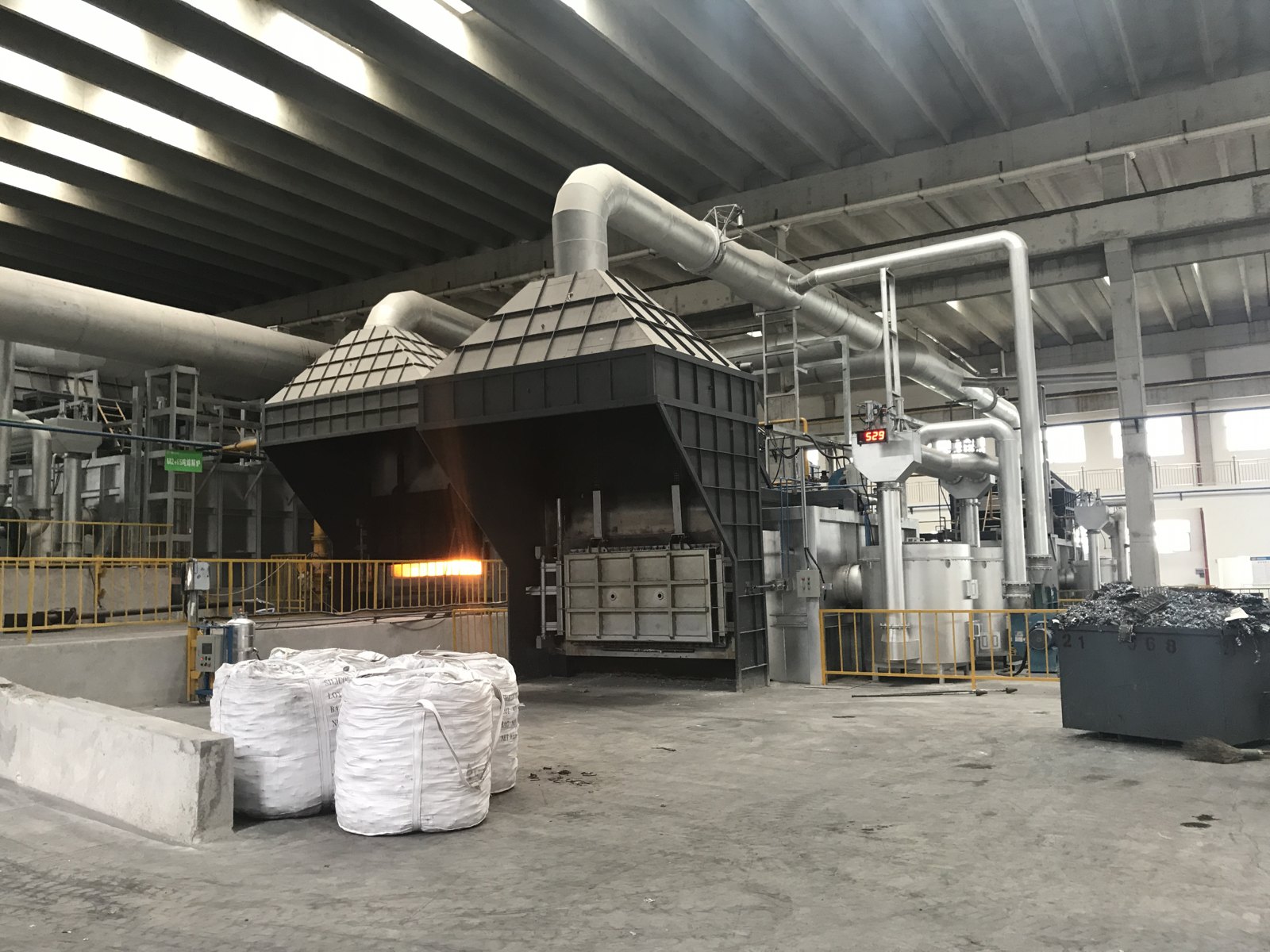
Hooks and fixtures cleaning FAQ
How is the temperature limit set?
The stripping temperature must stay below the point where the hook or fixture loses strength or distorts. Material, section size and load weight decide the cycle, while the coating type decides the temperature and time needed to remove it.
Is post-cleaning included?
Post-cleaning removes the decomposed residue and the part is inspected before returning to the coating line. Without it, the next coat inherits the previous build-up, so the two steps are treated as one cleaning duty.
The part envelope and its history are both part of the cleaning assessment. Sending the material, section size, load weight, temperature limit and the coating build-up lets the cycle be set to restore the part without weakening it.
The coating build-up over repeated cycles is also worth stating, because it changes the time the cycle must run to return the part to a clean surface.
The cleaning line is built to the same quality basis as the rest of the range: incoming material inspection, welding and surface checks, assembly and a no-load test, then a load test with the buyer's own parts when provided. The equipment is produced at the 25,000 m2 manufacturing base in Henan, China, with the temperature control, gas-cleaning and safety systems documented against the confirmed ISO9001, CE and EPA Compliant basis before dispatch.