Recycling & Thermal Processing Solutions
Five focused boards, each configured against feedstock, throughput, recovered-output targets and the emission and safety basis of the site.
A short portfolio reviewed in depth beats a long one reviewed superficially. Buyers can compare five documented routes instead of scanning dozens of machines with little supporting evidence.
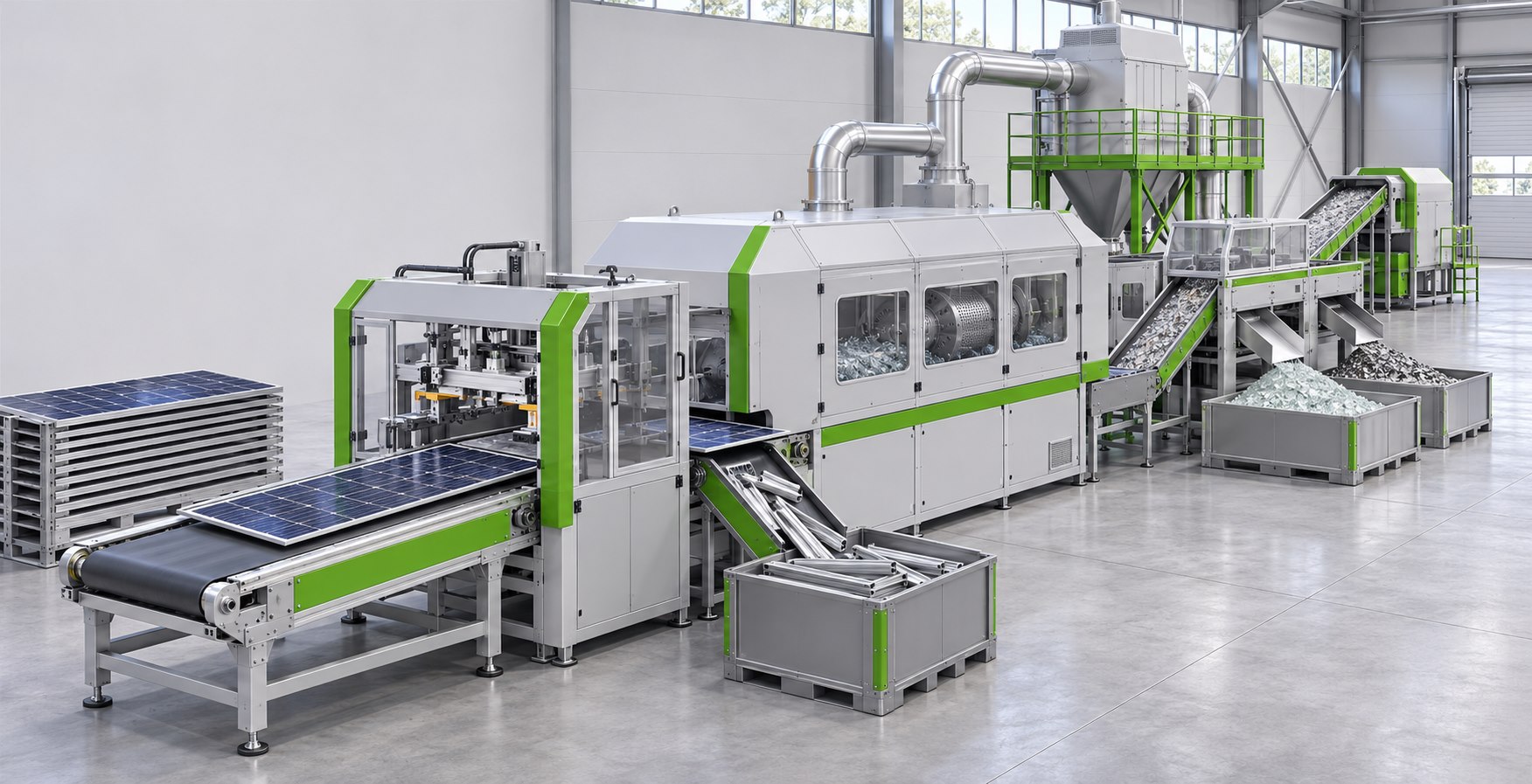
PV Recycling
The European entry point for end-of-life modules and manufacturing scrap, with route selection and deep equipment detail on the dedicated PV site.
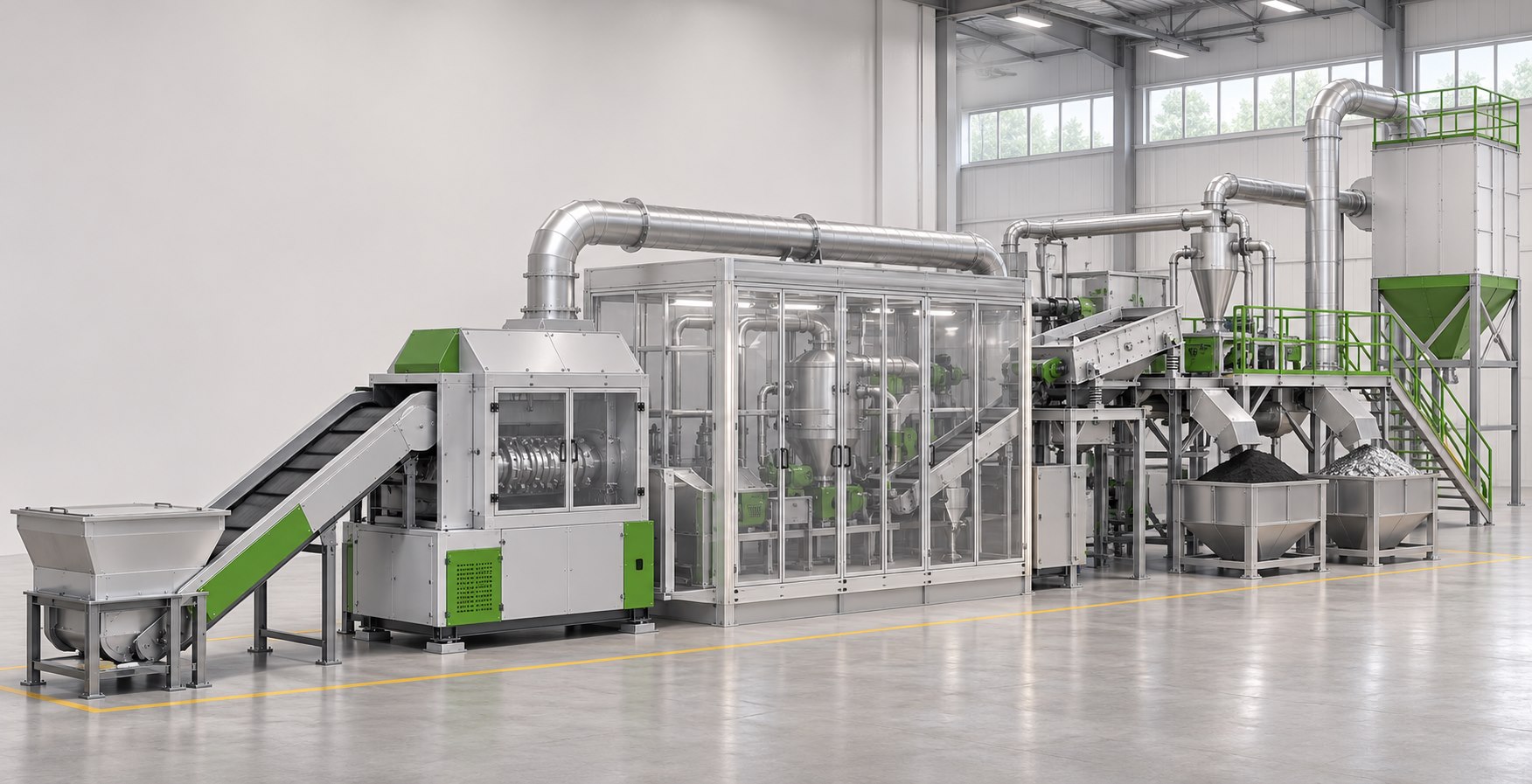
Lithium Battery Recycling
Safe discharge, inerted shredding and multi-stage separation to recover black mass, copper and aluminium.
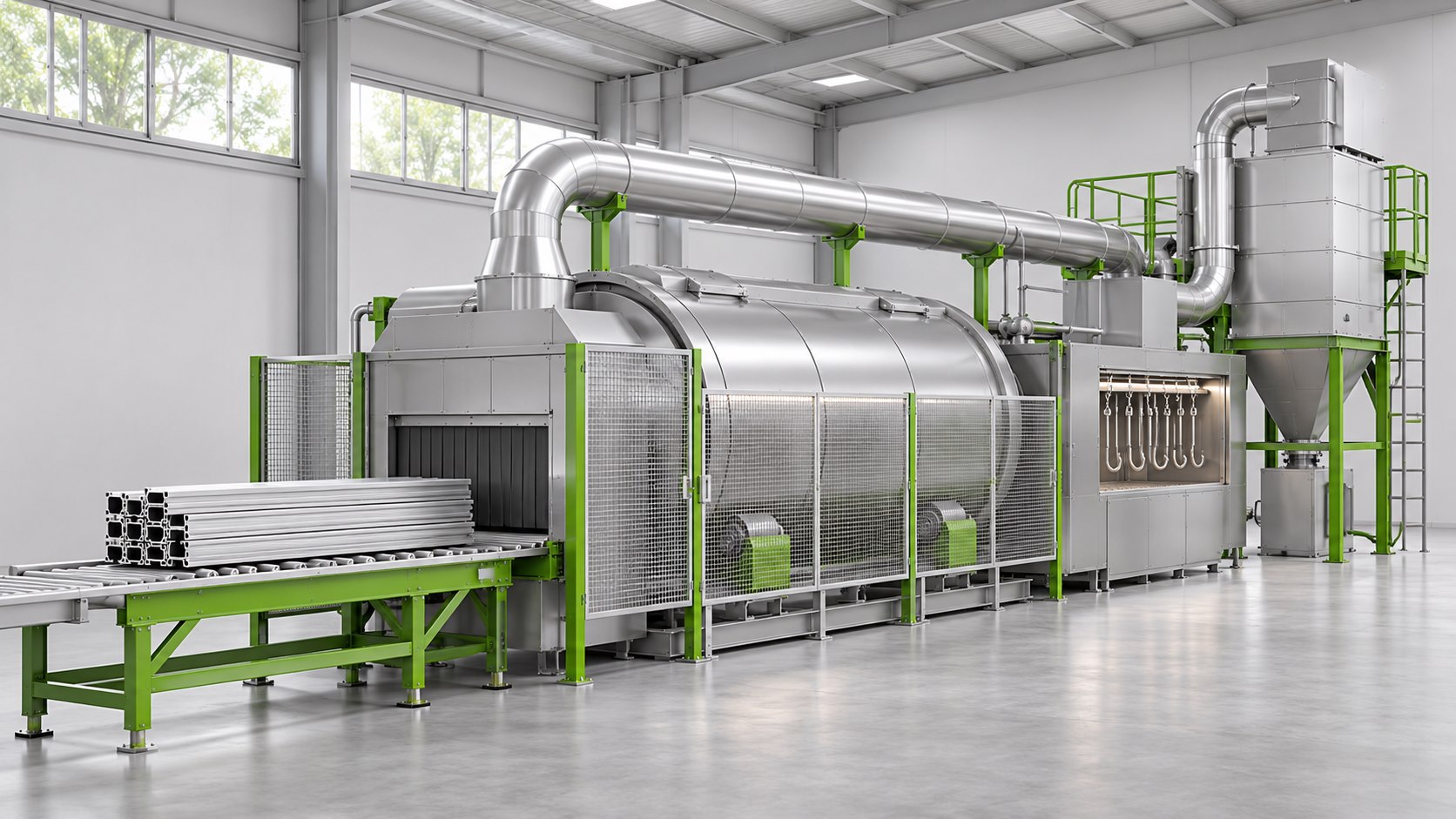
Thermal Decoating & Cleaning
Decoating for UBC and coated aluminium, plus thermal cleaning for hooks, fixtures and industrial components.
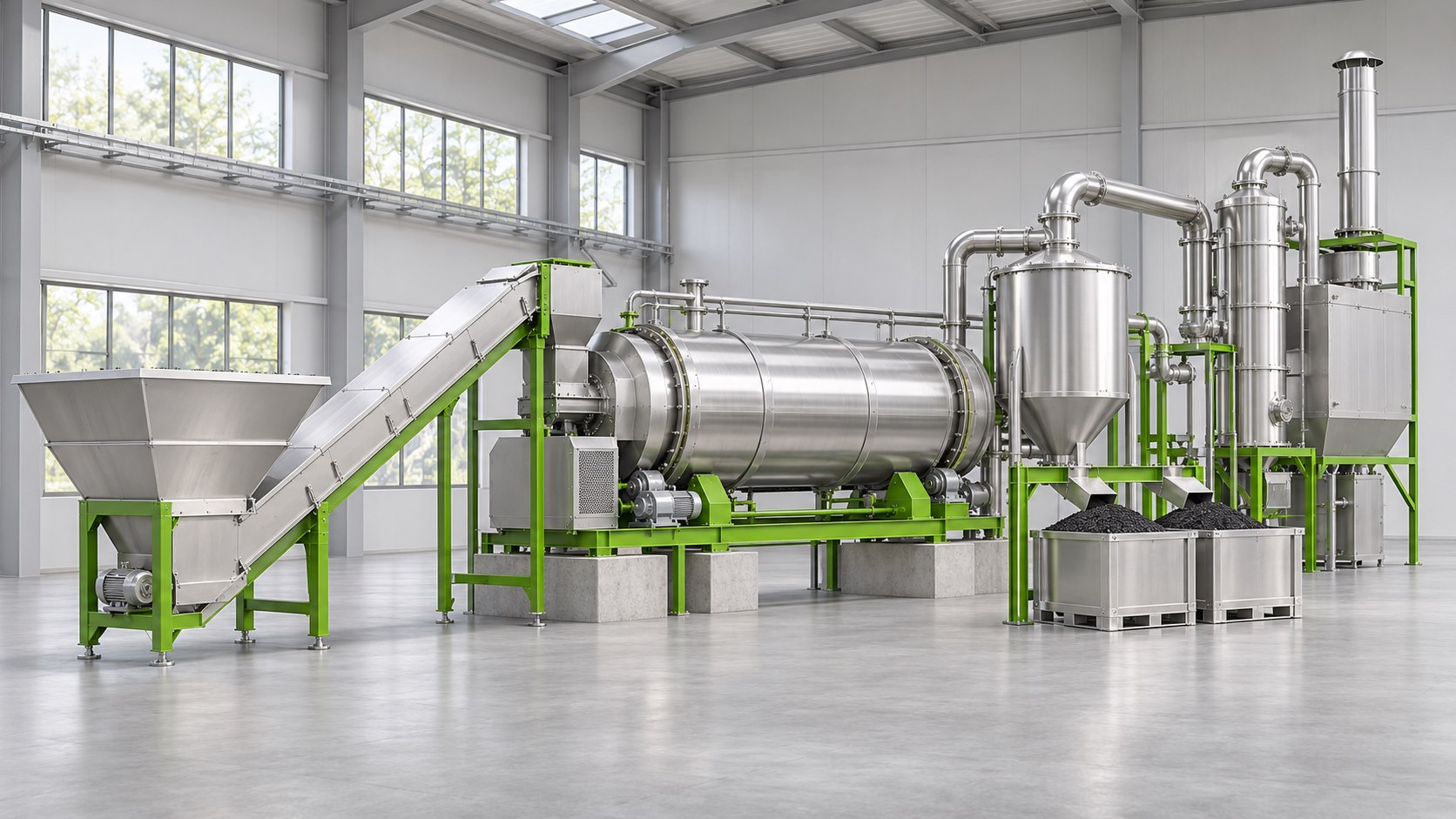
Waste-to-energy & Carbonisation
Thermal routes for plastic, tyre and oil sludge, plus biomass carbonisation, configured around feedstock and the emission basis.
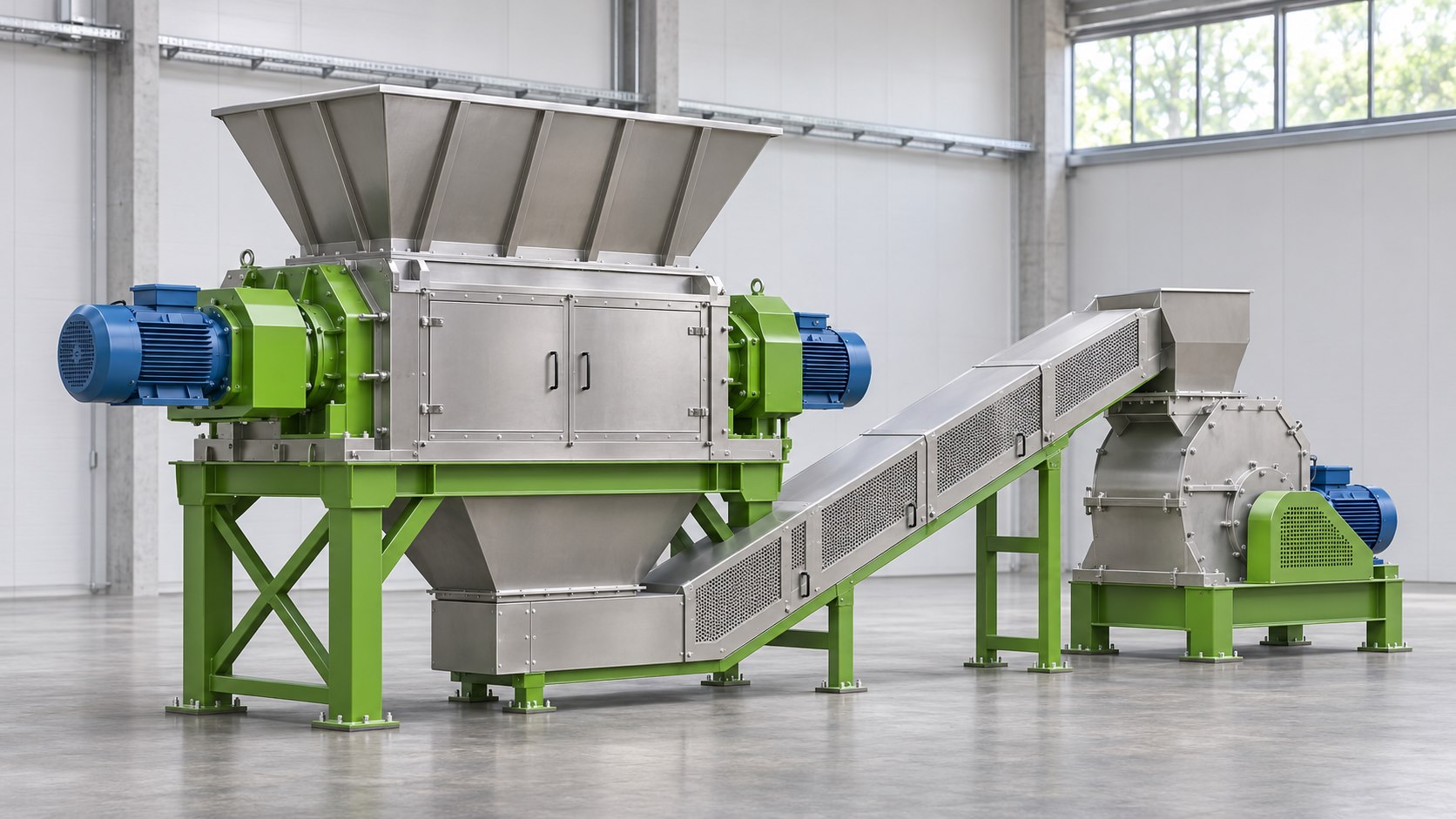
Shredding & Size Reduction
Twin-shaft shredders, crushers and feeding stages that prepare PV, battery and metal feed for downstream separation.
What every proposal contains
Each board shares the same delivery discipline, so a recycler moving from one material to another does not have to relearn a different supplier's approach.
- Process design basis and material balance
- Equipment list with model and duty
- Site layout and utility requirements
- Emission, dust and safety interfaces
- Delivery, installation, commissioning and after-sales scope
Solutions FAQ
Which board should I start with?
Start from the material you receive and the fraction you must sell. Photovoltaic modules point to the PV board, spent lithium cells and packs to the battery board, and coated aluminium or parts to the decoating and cleaning board. Send the material and target output and we will confirm the route.
Can I buy one stage first and add the rest later?
Yes. Single machines and complete lines are both available, and capacity can be phased in steps. Tell us the end target at the start so the first purchase is laid out for expansion instead of becoming a dead end.
The boards are kept short on purpose. A broad catalogue of recycling machines promises to handle everything, which makes it impossible for a buyer to verify depth in any one application. By concentrating on a few routes, each board can carry its own process basis, equipment references and compliance context, and a buyer can compare them without wading through unrelated machinery. The depth sits inside each board's solution page, not in a long list of products on the index. That focus also makes the site easier to audit, because each board can be checked against its own process and evidence instead of being buried in a catalogue.
Each board links onward to the equipment and applications that belong to it, so the index stays a true entry point rather than a dead end. A buyer can move from a board summary to a route detail and then to a specific machine without retracing the same information.