
Thermal Decoating & Cleaning Systems
Controlled decoating removes lacquer, paint and coatings before melting, while thermal cleaning strips coatings from hooks, fixtures and industrial components for reuse.
The word decoating covers two different duties: removing coatings from UBC and scrap aluminium before melting, and stripping paint from hooks, fixtures and industrial components for reuse. Each duty needs its own parameter table, emission basis and enquiry fields, because a furnace specified for one will under-perform on the other.
Two duties, four applications
Metal decoating protects the melt by removing lacquer and paint before the metal enters the furnace, raising yield and reducing dross. Thermal cleaning restores coating-line hardware and industrial parts by stripping the build-up within temperature and cycle limits set by the base material. Both use controlled heat, but the goal is different: one protects a melt charge, the other restores a reusable part.
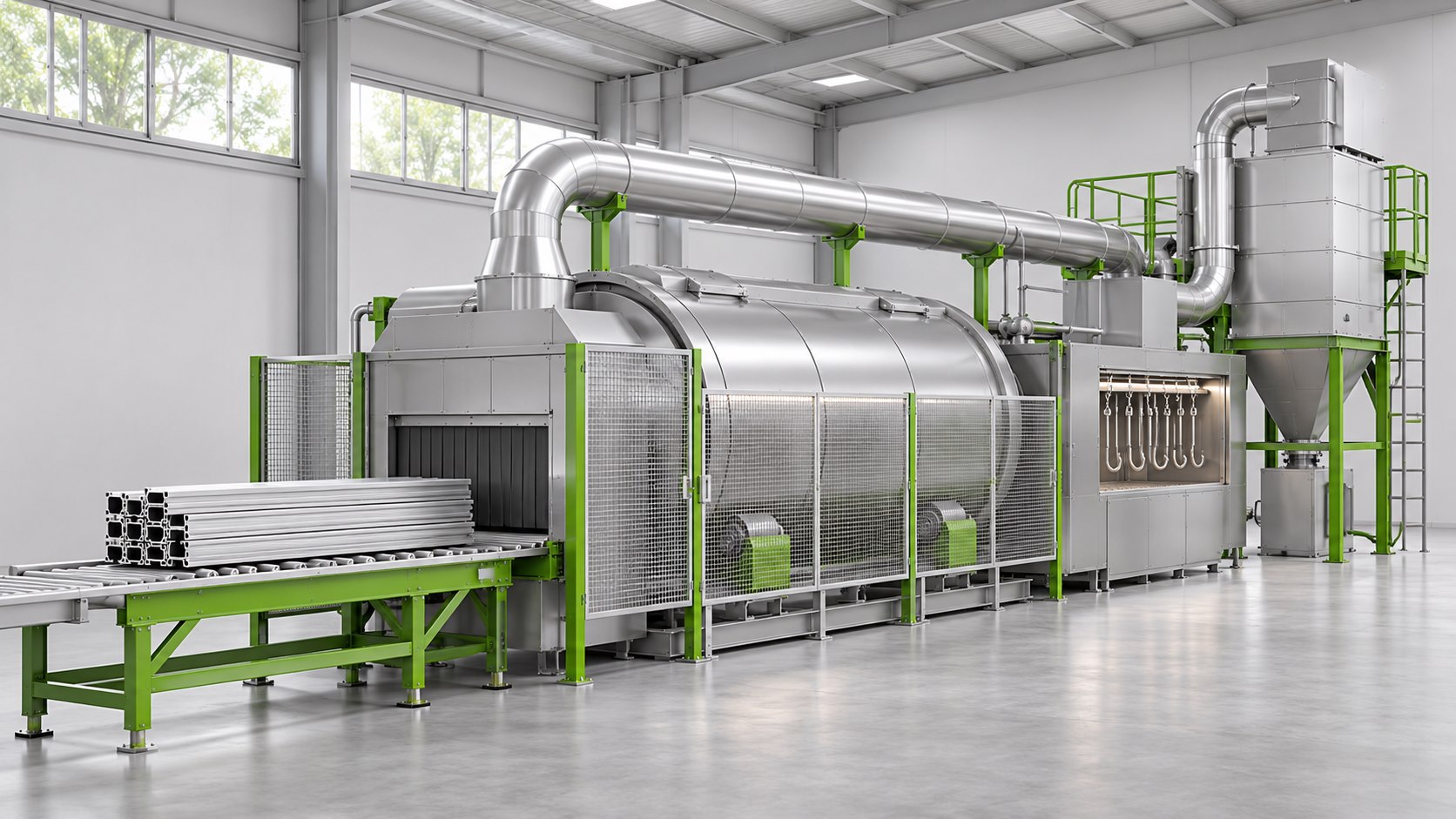
Why decoating pays before melting
When coated aluminium is charged directly into a melt furnace, the coating burns inside the melt chamber, consuming metal as dross, adding carbon and oxide load to the bath and complicating the furnace off-gas. Removing the coating first under controlled low-oxygen conditions keeps the charge clean and the emission stream manageable. For UBC, the confirmed result is below 0.5% metal burn loss in decoating, and the wider benefit is a steadier furnace with fewer dross interruptions.
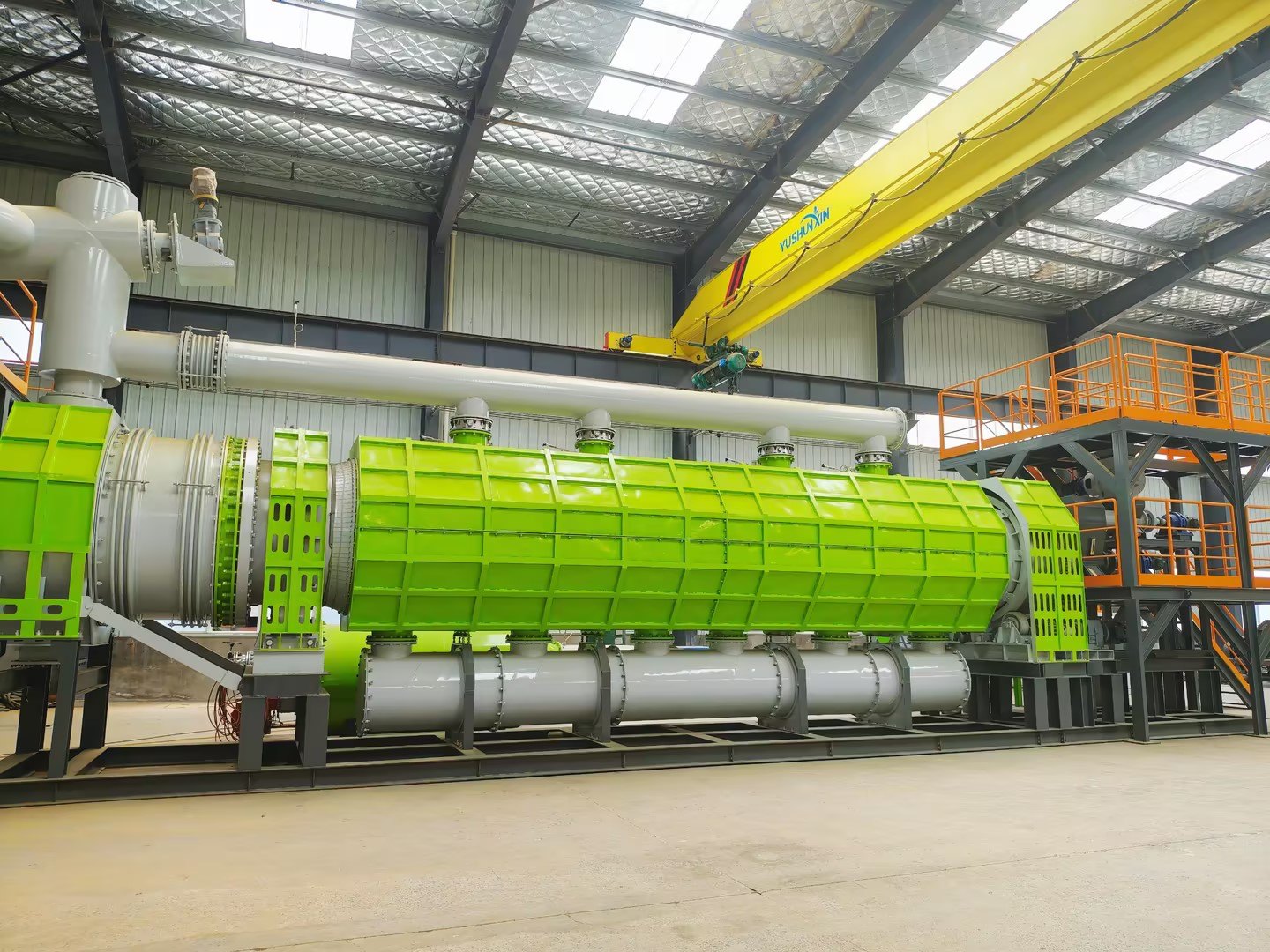
Coating chemistry sets the parameters
Lacquer, liquid paint, powder coating, PVDF film and colour-coated coil lacquers decompose at different temperatures and release different volatiles. The decoating temperature, residence time and off-gas system are set against the actual coating mix rather than a single canned specification. Declaring the coating chemistry, including any halogenated films, is what lets the furnace and its gas handling be sized correctly.
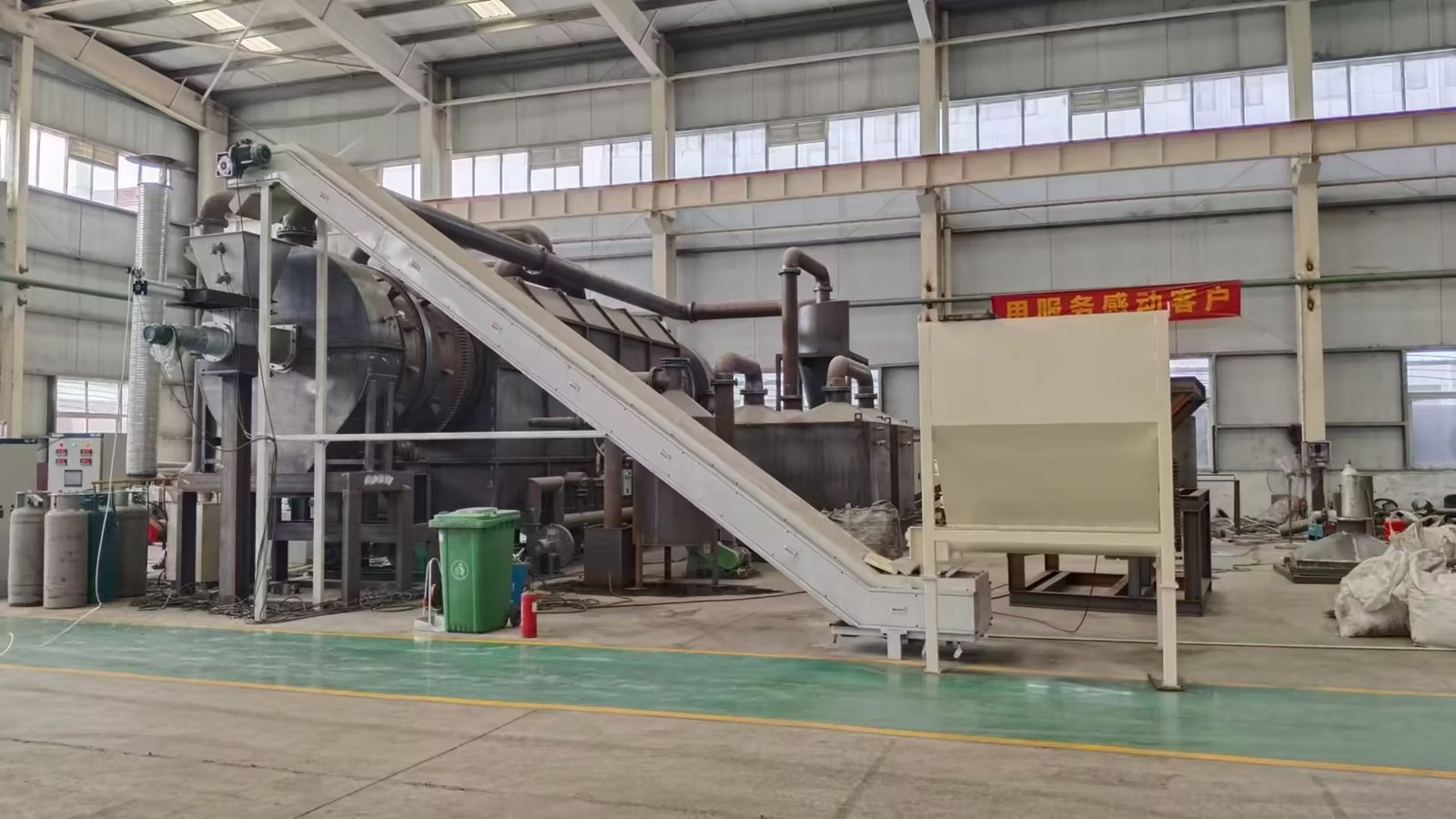
Continuous decoating for UBC and coated scrap
Continuous rotary decoating suits steady melt-furnace feed. The ENV-SOL-UBC runs 2-8 t/h through a rotating drum with internal flights, while the ENV-CAS-4000 handles 1.5-6 t/h of coated scrap with three-stage PID control from 400 to 540 C. The difference is the duty: UBC is a light, high-volume shredded feed with a thin lacquer, while coated profiles and panels carry heavier sections and thicker coatings that need a staged temperature ramp.
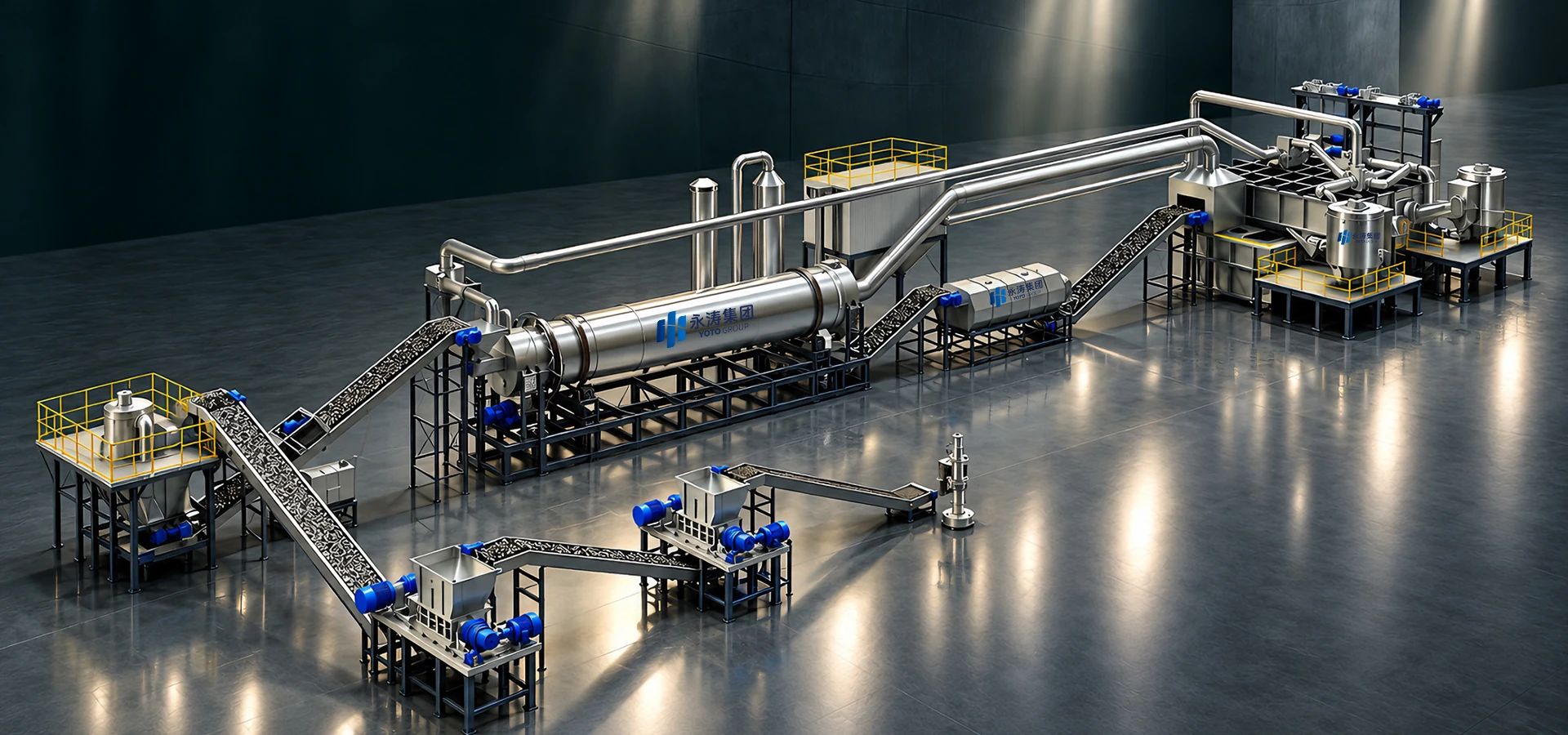
The melt interface matters as much as the furnace
A decoater that outpaces the melt furnace just moves the bottleneck downstream. The furnace must deliver hot clean metal in a form the melting stage can accept, at the right temperature and rate. Feeding, drum or conveyor duty, atmosphere and melt transfer are sized together, so the decoating and melting stages run as one continuous system instead of two machines that fight each other on throughput.
Energy recovery from coating volatiles
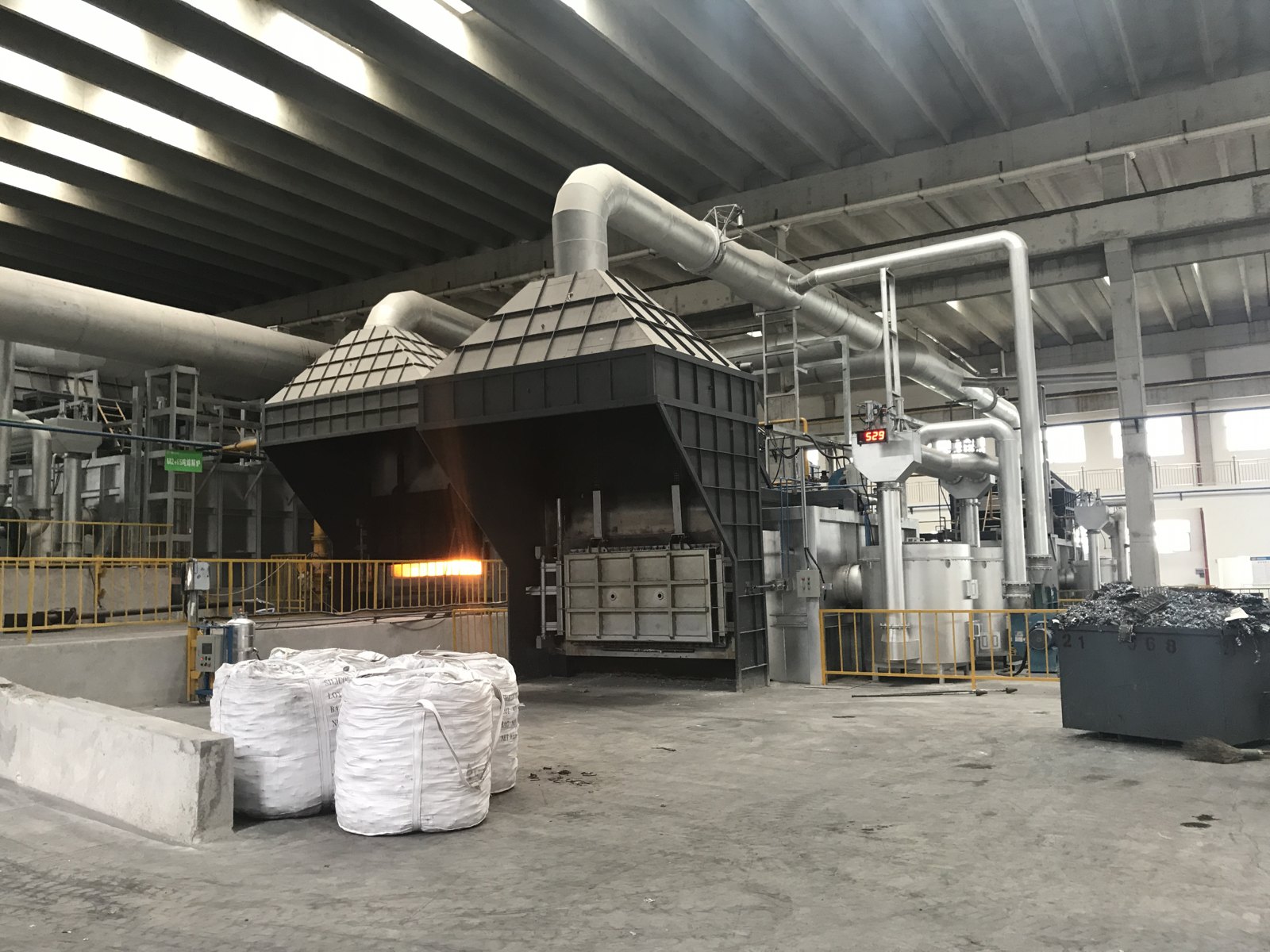
The volatilised coating is not a disposal problem. In the UBC furnace it is recirculated as a fuel gas and the remainder is routed through the off-gas system, which reduces the external energy the furnace needs. In the aluminium-plastic delamination line the polymer is gasified under oxygen-free conditions and the resulting fuel gas can offset process energy. The exact energy balance depends on the coating load and throughput, so it is confirmed per project.
Thermal cleaning for hooks, fixtures and components
Hooks and fixtures carry the load through a coating line and build up paint with every cycle. Thermal stripping restores them for reuse, but the temperature must stay below the point where the hook or fixture loses strength or distorts. Material, section size and load weight decide the cycle, while the coating type decides the temperature and time needed to remove it. Industrial components follow the same logic: the part sets the temperature limit, and the residue sets the cleaning requirement.
The emission basis is part of the decision
Decoating releases coating volatiles, so the off-gas and dust handling must be sized with the furnace and designed into the site permit. The published thermal process emission basis, including thermal oxidation and downstream gas cleaning, frames the design, and the buyer's permit determines the final interfaces. Asking for the coating chemistry and the site emission basis before quotation keeps the furnace from being specified in a way the site cannot legally operate.
How to choose the right decoating duty
Start from the duty cycle. A plant melting UBC continuously needs a continuous rotary furnace; a coating line restoring hooks needs a batch cleaning system sized for the part envelope. The feed type, coating chemistry, throughput and the melt or reuse target then select the model. Mixing two duties into one furnace specification usually compromises both, so we specify them separately even when both are eventually supplied together.
What to send us for a decoating or cleaning proposal
Send the feed type, coating chemistry, throughput and the melt or reuse target. For metal decoating, add the residual limit your melt furnace can accept and the melt capacity. For thermal cleaning, add the part material, maximum dimensions, load weight per batch, coating build-up and the temperature limit. From those we confirm the furnace duty, the temperature profile and the off-gas sizing.
Decoating and cleaning decision in three steps
Metal decoating protects a melt charge; thermal cleaning restores a reusable part. The two duties have different goals and different specifications.
- UBC: shredded density, lacquer type, target residual limit
- Coated scrap: section thickness, coating chemistry, halogen content
- Parts: material, size, load weight, temperature limit
Melt capacity, off-gas route and site permit are sized with the furnace before manufacture, because the emission basis cannot be retrofitted cheaply.
Thermal decoating and cleaning FAQ
What is the difference between decoating and thermal cleaning?
Decoating protects a melt charge. It removes lacquer, paint and coatings from UBC or coated aluminium scrap before the metal enters the melting furnace, so the coating does not burn inside the melt where it would consume metal as dross and complicate the off-gas. The output is clean metal for remelting, and the confirmed UBC specification is below 0.5% metal burn loss in decoating.
Thermal cleaning restores a reusable part. It strips paint and coating build-up from hooks, fixtures and industrial components so they can be returned to service, and the temperature must stay below the point where the part loses strength or distorts.
The two duties share controlled heating and off-gas handling, but the goal and the specification are different. We specify them separately even when both are supplied together, because a furnace set for one duty will under-perform on the other.
Confusing the two duties is also how buyers end up with the wrong temperature basis. Decoating is tuned to the coating and the melt, while thermal cleaning is tuned to the part's tolerance, so the same furnace family is set differently for each and should be specified on its own terms.
The temperature basis is the practical way to keep the two duties apart. A decoater is rated against the coating and the melt, while a cleaner is rated against the part's tolerance, so quoting the same temperature for both means one of them has not been specified. Asking which basis applies is the fastest way to test a supplier's answer.
The same test applies to the off-gas. A decoater releases coating volatiles that follow the thermal process emission basis, while a cleaning system releases the decomposed residue of the part's coating, and the two gas streams are not automatically the same duty. Keeping the bases separate is how you avoid specifying one system for both and getting neither right.
Why is the coating chemistry needed before quotation?
Different coatings decompose at different temperatures and release different volatiles. A thin UBC lacquer is not the same duty as a thick architectural powder coating, and a halogenated film such as PVC or PVDC changes the gas-cleaning scope significantly.
The decoating temperature, residence time and off-gas system are set against the actual coating mix rather than a single canned specification. Without the chemistry, a supplier can only quote a generic furnace, and the missing gas handling reappears as site work and permit problems later.
We ask for the coating chemistry and the site emission basis before quotation for exactly that reason. It keeps the furnace from being specified in a way the site cannot legally operate, and it makes the bids from different suppliers comparable on the same basis.
Halogenated films deserve special attention because they change the gas-cleaning scope more than any other input. A stream containing PVC or PVDC needs chloride handling that a pure polyethylene stream does not, and declaring it early is the difference between a correct line and an expensive retrofit.
Halogen content also affects corrosion in the downstream equipment. Chlorine-bearing gases attack metal surfaces and require resistant materials and more aggressive scrubbing, so a stream that hides its PVC content can cause failures far beyond the gas-cleaning stage. Declaring the chemistry is not just compliance, it is reliability.
The declaration also changes the safety case. Chlorine-bearing gases are corrosive and hazardous in their own right, so the handling, the materials and the operator protection all follow from knowing they are present. A plant that discovers PVC in its feed after commissioning has to retrofit all three, which is the most expensive way to learn the chemistry.
Knowing the chemistry early is the cheapest way to make the whole line reliable, from the furnace lining to the scrubber materials.
Can one furnace handle both UBC and coated aluminium scrap?
UBC and coated aluminium scrap are different duties. UBC is a light, high-volume shredded feed with a thin lacquer that suits a continuous rotary drum at 2-8 t/h, while coated profiles and panels carry heavier sections and thicker coatings that need a staged temperature ramp from 400 to 540 C.
One furnace can sometimes be set for both, but it will be a compromise on at least one duty. If you process both streams, send both feed descriptions and we will confirm whether a single line is acceptable or whether two dedicated lines fit better.
The same logic applies to thermal cleaning: a batch system sized for hooks and fixtures is not automatically right for large industrial components, because the part envelope and the temperature limit are different.
The practical answer follows the duty cycle. A plant melting continuously wants a continuous decoater, while a coating line restoring parts wants a batch cleaner sized to the part envelope. When both duties are needed, two specified systems usually cost less over their life than one compromised furnace.
The duty cycle also decides the control and staffing. A continuous decoater runs with steady supervision and a stable feed, while a batch cleaner runs in cycles with loading and inspection between them. The two have different automation, different labour and different after-sales needs, which is why the cycle, not the catalogue, selects the system.
Staffing is often the overlooked half of that decision. A continuous line needs operators who can watch trend lines and respond to alarms, while a batch system needs operators who can load safely, judge a cleaning cycle and inspect parts. Matching the system to the team, or the team to the system, is part of the selection rather than a detail to solve later.
Matching the team to the system is what makes either choice work in practice, because a good furnace run by the wrong crew still under-performs.
The same discipline applies to after-sales. Decoating and cleaning systems sit at the interface of heat, coatings and a permit, so the questions that appear in the first months of operation are best answered against the design basis. Keeping the feed, coating and emission records from the specification makes after-sales support faster and keeps the plant inside its documented envelope. Buyers who treat the first year of operation as part of the project, rather than as something that begins after handover, get a cleaner start and a clearer record for the permit. A plant that records its feed, coating and emission basis from day one can answer a permit question in minutes instead of reconstructing it from memory, and the same record makes the next equipment decision faster because the design basis is already documented. That continuity is what separates a one-off purchase from a repeatable engineering relationship, and for a decoating buyer it is the difference between a supplier and an engineering partner.
Decoating duty selection in detail
How do I decide between a continuous decoater and a batch cleaning system?
The decision follows the duty cycle, not the machine catalogue. A plant melting UBC or coated scrap continuously needs a continuous furnace that meters material through the heating zone and transfers clean metal to the melt at a steady rate. A coating line restoring hooks, fixtures or components needs a batch system sized to the part envelope and the production rhythm.
Continuous decoating suits steady, high-volume metal feed where the coating is thin and uniform, such as shredded UBC at 2 to 8 tonnes per hour. Batch thermal cleaning suits reusable parts where the part, not the tonne, sets the cycle, and where loading, stripping and inspection happen in sequence.
The temperature basis is also different. Decoating is tuned to the coating and the melt interface, while thermal cleaning is tuned to the part's tolerance, so the same furnace family is set differently for each duty and should not be forced into one compromise specification.
If you have both duties, specify them separately even when they are supplied together. Two systems that each fit their duty usually cost less over their life than one furnace that under-performs on both, and the operator gets a cleaner temperature and off-gas basis for each.
Specifying them separately also makes the off-gas basis clearer. Each duty has its own coating chemistry and its own emission interface, and mixing them into one furnace forces one off-gas system to serve two different volatile loads. Two clean specifications are easier to permit and easier to operate than one compromise.
The permit application benefits from the same separation. An authority can review a decoating permit and a cleaning permit against their own emission profiles, while a single mixed system forces the authority to evaluate a blended case that is harder to justify. Clean boundaries make the paperwork faster and the operation safer.