
Thermal Cleaning for Industrial Components
Industrial components are thermally cleaned to strip coatings and residues, with temperature limits and post-cleaning defined by the part.
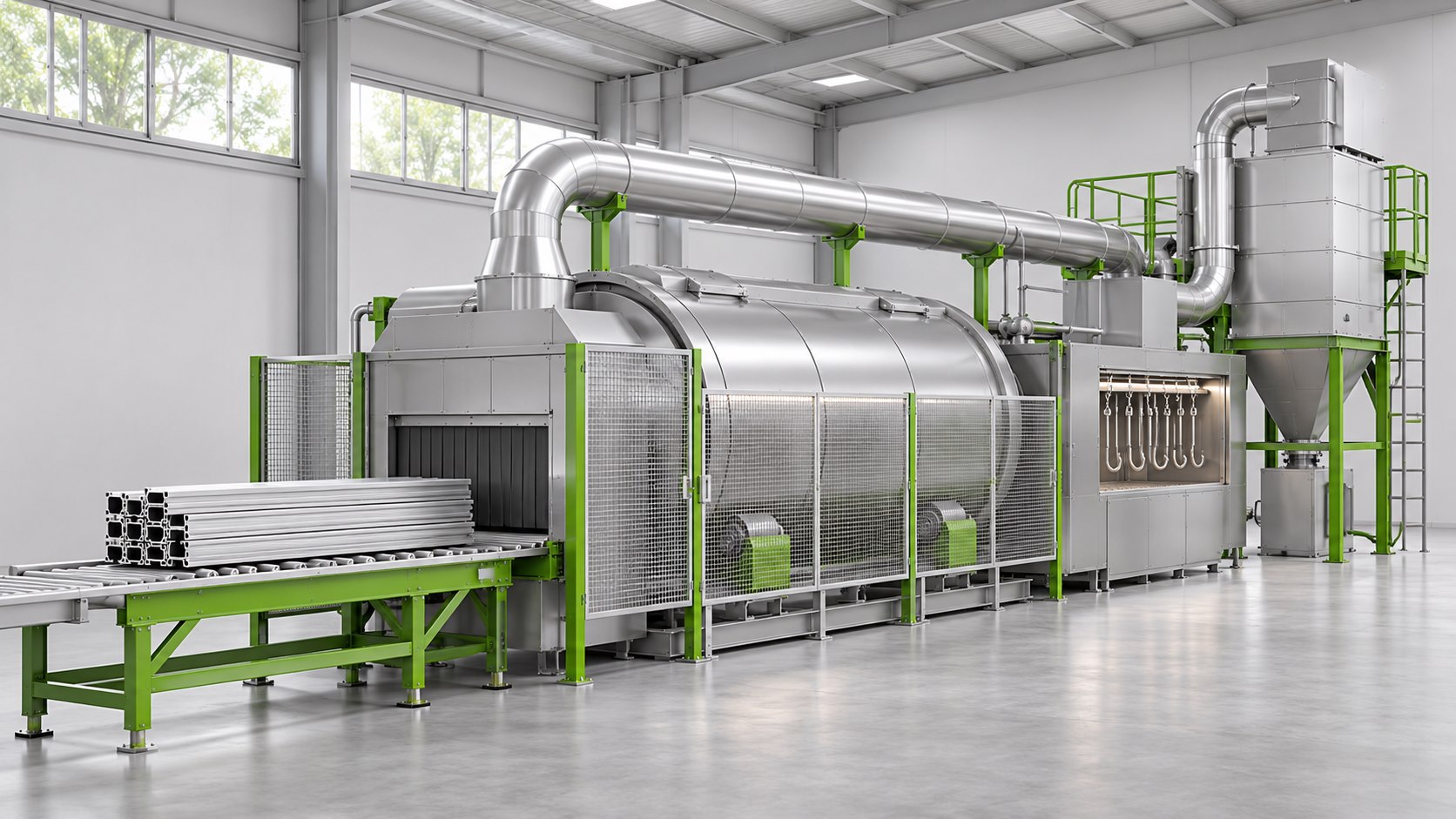
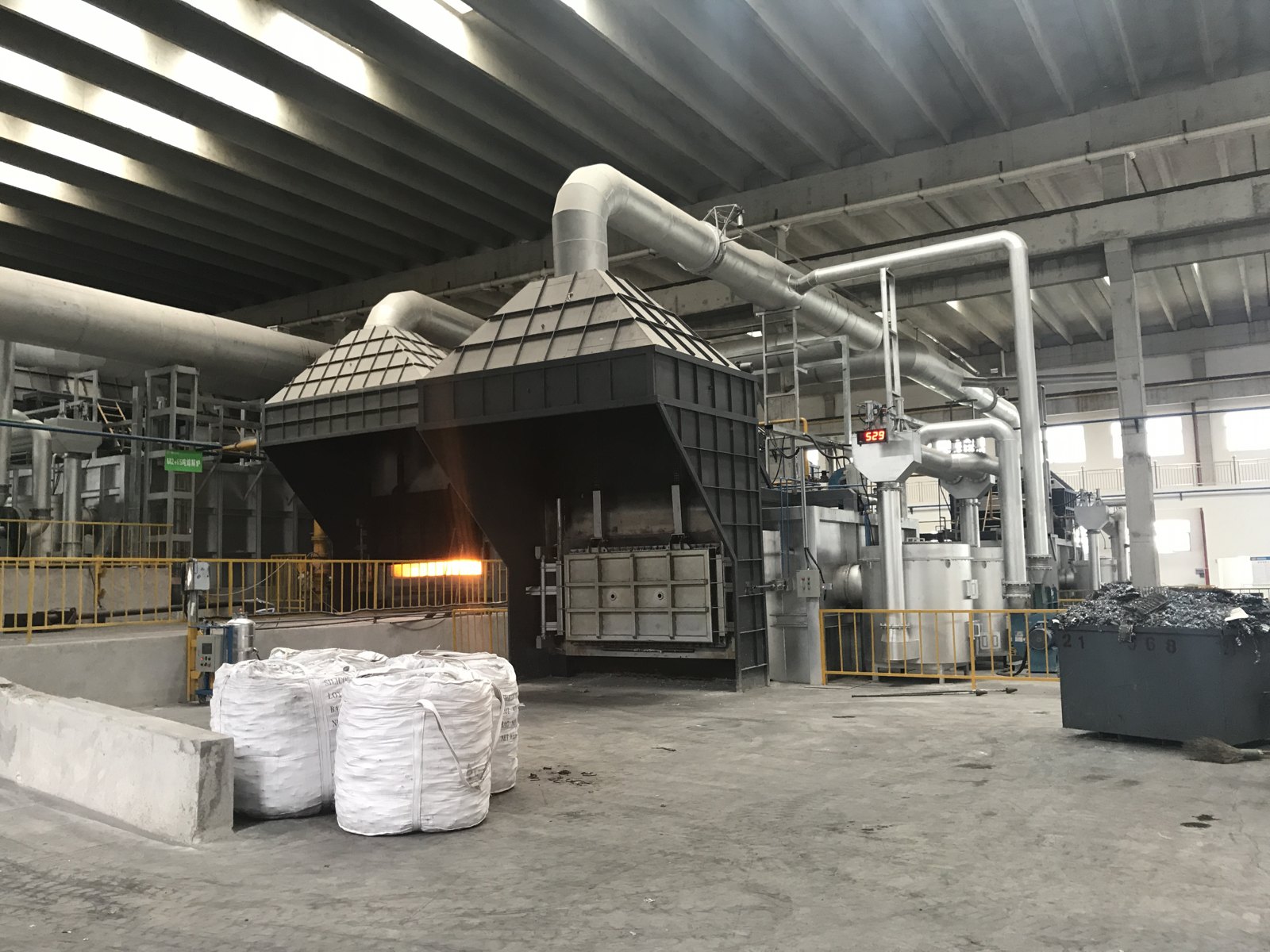
Components that carry paint, powder or process residues can be restored by controlled thermal cleaning when the part tolerates the cycle.
When thermal cleaning fits
Thermal cleaning is a good route when the residue decomposes at a temperature the part can tolerate and the geometry allows the residue to be removed after decomposition. The cycle is defined by the component material, its temperature limit and the residue chemistry. It is not the right route for every part, and the test is always whether the part survives the cycle unchanged.
Typical route and post-cleaning
Loading
Components placed within the envelope.
Cleaning
Residue decomposed under controlled heat.
Post-cleaning
Loose residue removed and parts inspected.
The post-cleaning step removes the decomposed residue so the part is genuinely ready for reuse. Inspection then confirms the part is within tolerance, because thermal cleaning is only useful if it restores the component without changing it.
What we need from you
- Component material and dimensions
- Residue or coating type
- Temperature and cycle limits
- Required cleanliness and post-cleaning
Industrial thermal cleaning FAQ
When is thermal cleaning the right route?
When the residue decomposes at a temperature the part can tolerate and the geometry allows the residue to be removed after decomposition. The test is whether the part survives the cycle unchanged, which is why the part sets the temperature limit.
What happens after the heating stage?
The decomposed residue is removed in a post-cleaning step and the part is inspected. Thermal cleaning is only useful if it restores the component without changing it, so post-cleaning and inspection are part of the duty.
Confirming the component material, the residue and the geometry before specifying is what separates a component that is restored for reuse from one that is damaged by the process. The inspection after cleaning is part of the route, not an optional check.
The same assessment applies to a single component or a recurring batch, and the cycle is documented so the result is repeatable rather than a one-off success.
Beyond the cycle itself, the line is supplied within the standard engineering boundary. Incoming material inspection, welding and surface checks, assembly and a no-load test precede a load test with the buyer's parts when available, and the controls use Siemens or Schneider PLC platforms with DCS or SCADA supervision where the project calls for it. Standard lines are manufactured in 30 to 45 days, with the motor voltage matched to the site's 380, 480 or 600 V supply.