
Recycling & Decoating Equipment
Standalone machines and complete lines for lithium battery recycling and aluminium decoating, specified against the actual feedstock, throughput and site basis.
A machine name without a defined input is not an offer, it is a starting point. These equipment pages state what each line processes, what it produces, and which inputs must be confirmed before a firm specification can be issued.
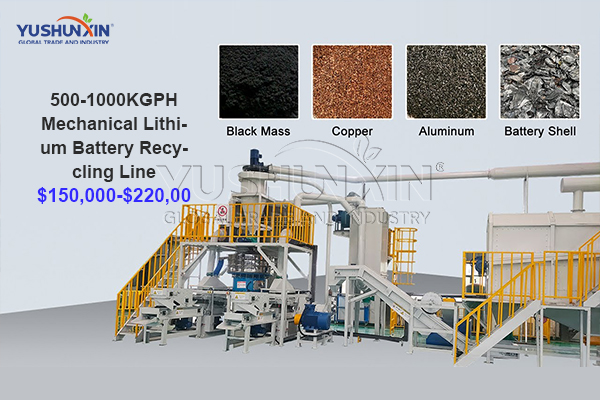
Lithium Battery Recycling Plant
ENV-SOL-LFP, 500-3,000 kg/h under nitrogen inerting, recovering black mass, copper and aluminium from spent cells and packs.
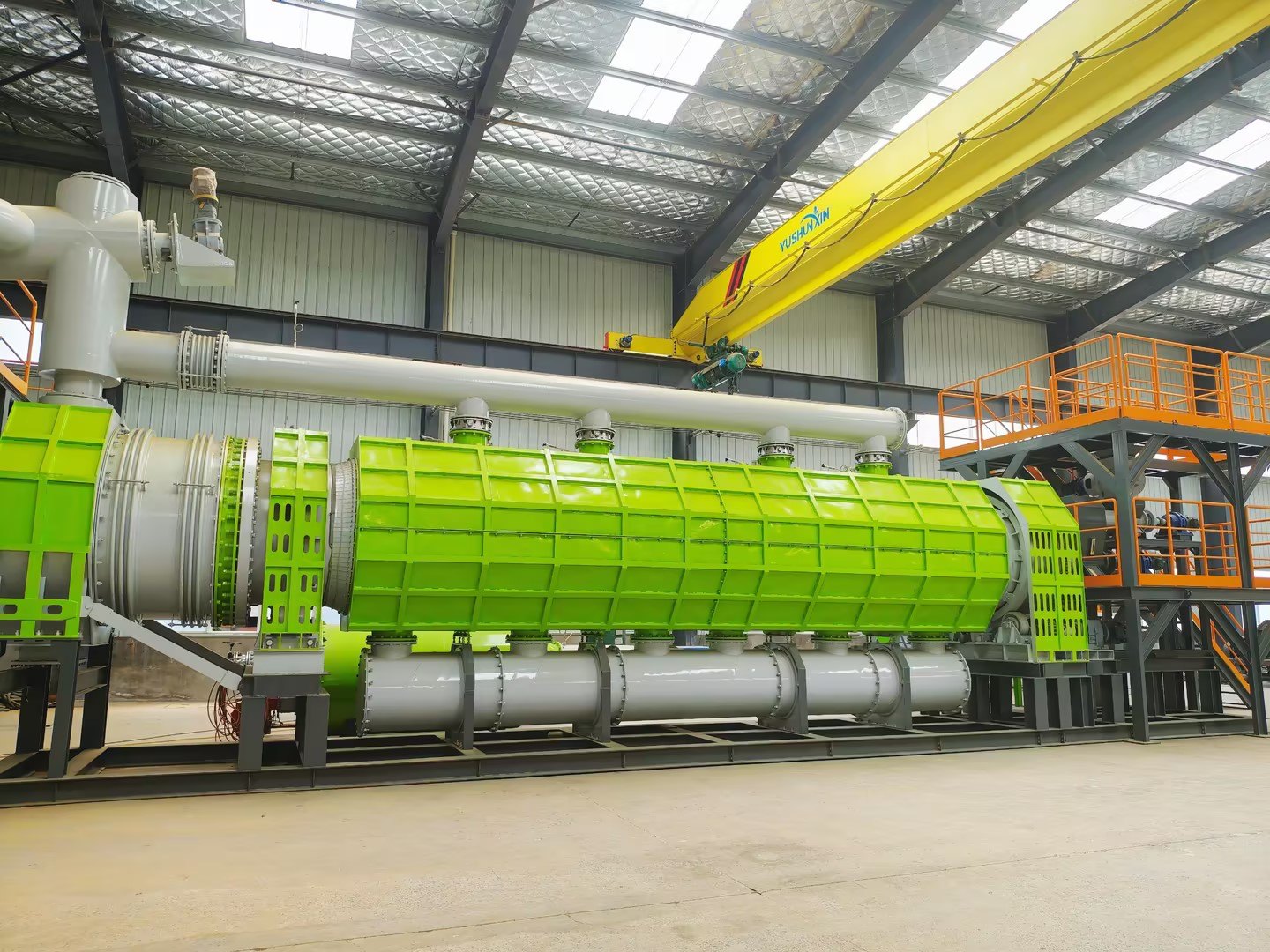
UBC Decoating Furnace
ENV-SOL-UBC, 2-8 t/h continuous rotary decoating for used beverage cans with below 0.5% metal burn loss.
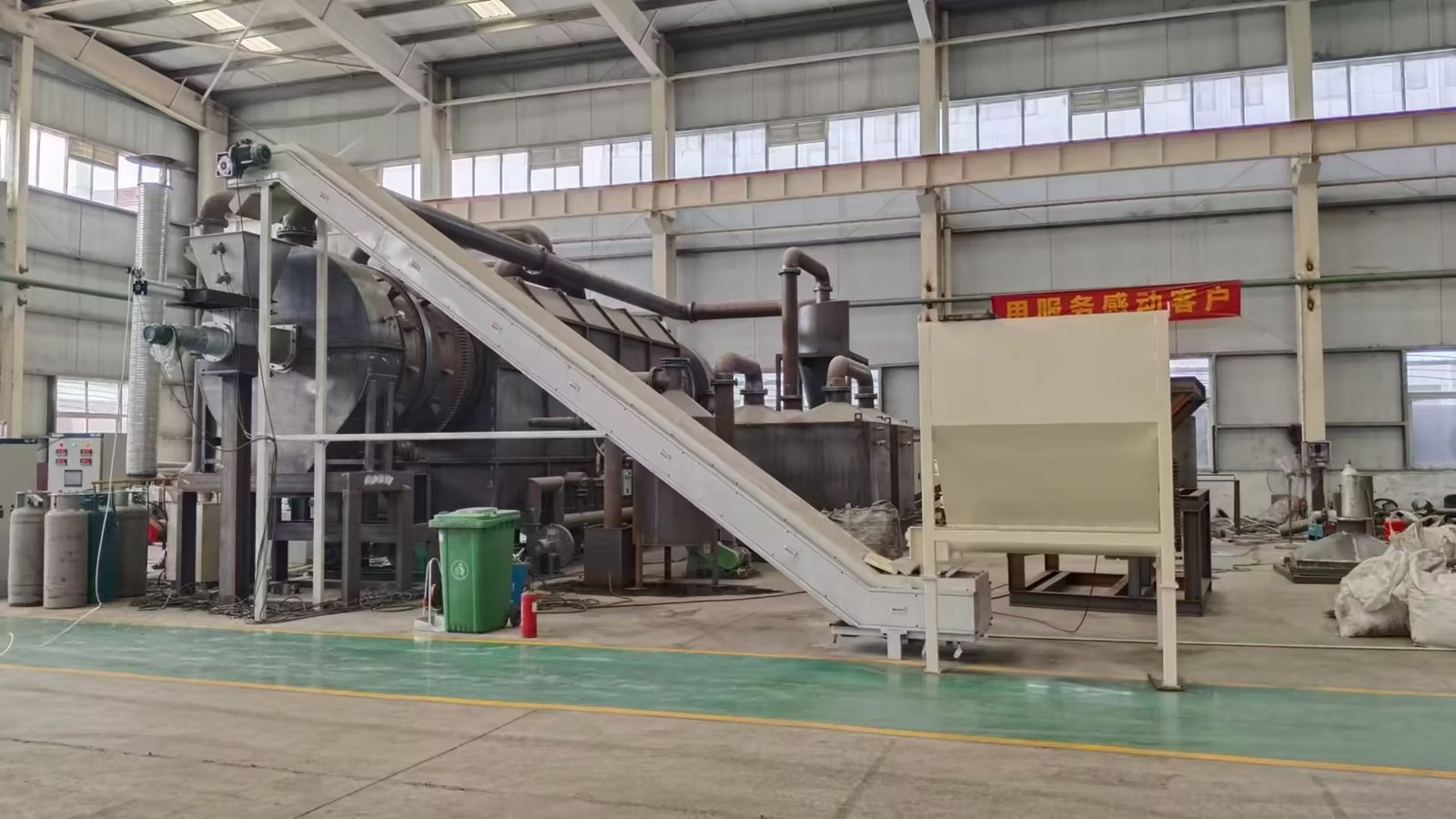
Coated Aluminium Scrap Decoating
ENV-CAS-4000, 1.5-6 t/h with three-stage PID heating from 400 to 540 C for painted and coated scrap.
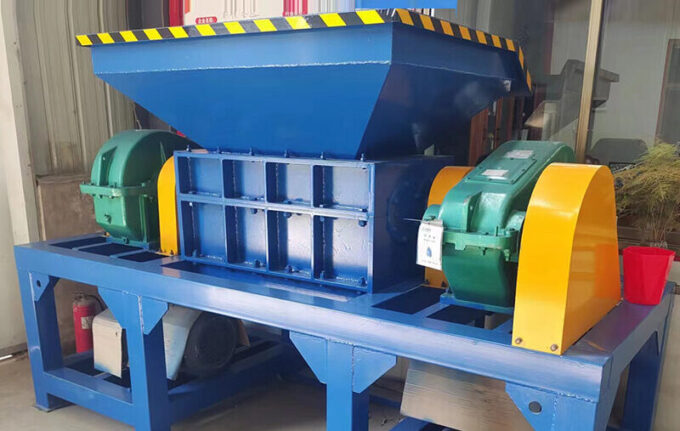
Aluminium Chip De-oiling
ENV-ACD-3000, 1-5 t/h centrifugal de-oiling, drying and tramp metal separation for CNC turnings and swarf.
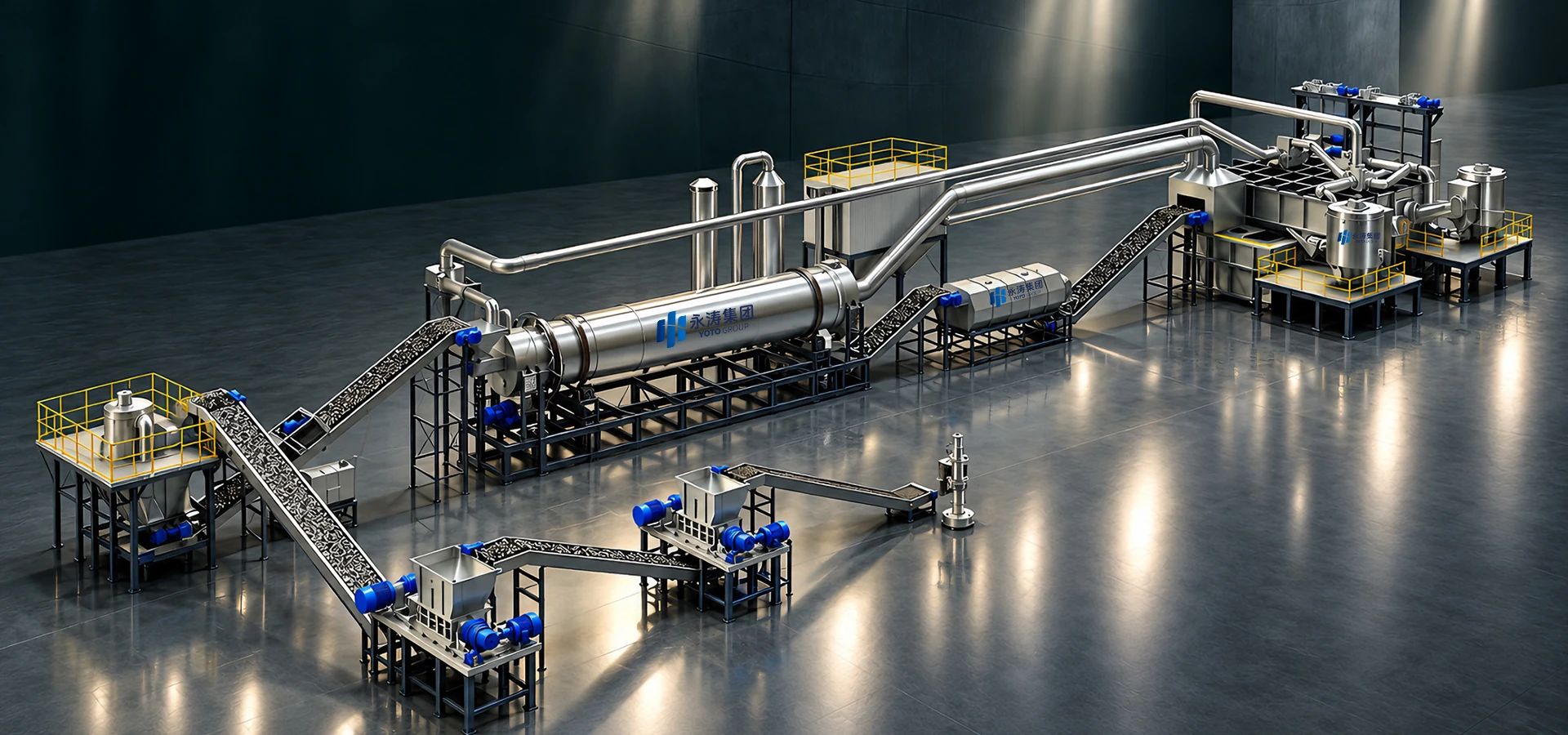
Aluminium-Plastic Delamination
ENV-APL-2000, 800-3,000 kg/h oxygen-free separation for blister packs and composite panels at 380-450 C.
Equipment FAQ
What is the difference between a machine and a line?
A machine is one stage, such as a shredder or a furnace. A line links the stages that a feedstock needs, from feeding through separation or melt transfer. We specify both, and the choice follows whether you are adding one stage or building the complete route.
Why are some specifications available on request?
Figures that depend on the project, such as utility demand, footprint and exact fraction purities, are confirmed after the sample and site data are reviewed. Publishing a generic value would be wrong for your stream, so the stable design envelope is public and the project-specific values are stated in the quotation.
The equipment index is an entry point, not the specification itself. Each model page carries the six angles a buyer needs: what the line does, what it processes, the confirmed specifications, the process route, the safety and emission interfaces, and how to specify it. The cards here summarise the envelope so a buyer can find the right model quickly, and the model pages hold the detail that a quotation actually depends on. A buyer who wants the detail only needs one click, while a buyer who is still comparing boards can stay at the index level without being pulled into a machine page too early.
The index and the model pages are kept in step, so a specification change on a model page is reflected here without a buyer having to reconcile two different statements of the same machine.
The index is updated whenever a model's confirmed specification changes, so the entry point never goes stale against the detail.