
Lithium Battery Recycling Lines for Black Mass Recovery
Spent lithium-ion cells and packs move through safe discharge, inerted shredding and multi-stage separation to recover black mass, copper and aluminium for downstream refining.
A lithium battery recycling line is a dry physical system that turns spent cells, modules and packs into separated value fractions. The plant is configured for the cell chemistry, pack format, feedstock condition and throughput of the project, with the safety and dust basis fixed before manufacture.
What a battery recycling line is for
The line occupies the middle of the battery recycling chain. It receives discharged or stabilised batteries, reduces them to a processable size and separates the material into black mass, copper and aluminium. It does not refine those fractions, but it prepares them so a refiner can handle each stream without contamination. Getting this stage right is what makes downstream hydrometallurgical recovery efficient, because clean, sorted fractions are easier to dissolve, leach and sell than a mixed powder that must be re-separated.
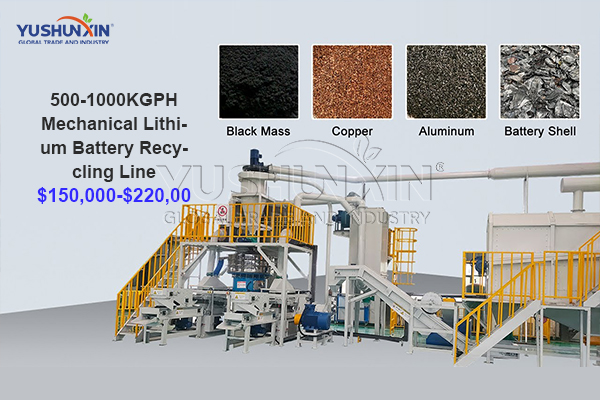
Process route from safe discharge to separated fractions
Safe discharge or stabilisation
Residual energy is managed before size reduction so cells enter the shredder without uncontrolled energy release.
Inerted shredding
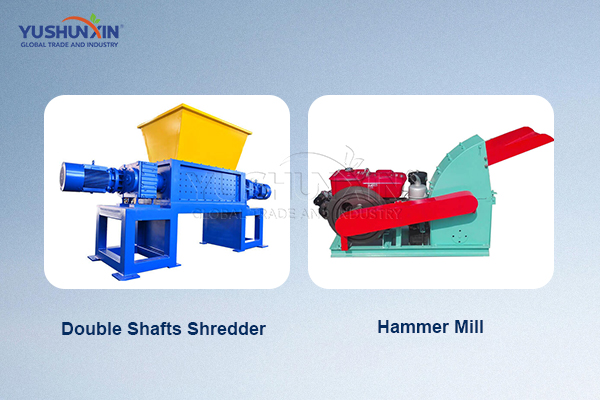
Cells, modules and packs are reduced under nitrogen protection with oxygen held below 3%.
Multi-stage separation
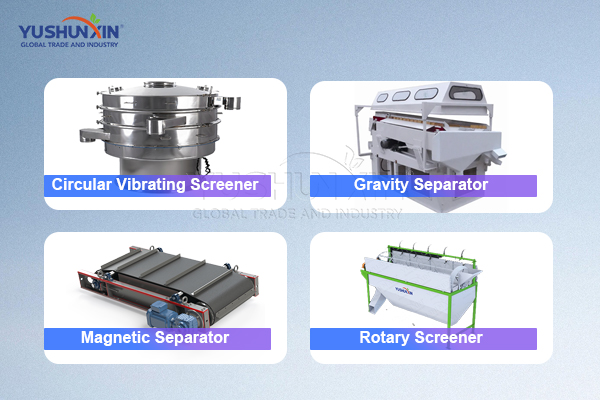
Magnetic, density, screening and air stages route black mass, copper and aluminium into dedicated streams.
Fraction collection
Each output is collected separately and ready for the downstream refiner or smelter.
Feedstock: chemistry, format and state of charge
NCM and LFP chemistries route differently, and cylindrical 18650 or 21700 cells, prismatic cells, modules and full EV packs each need a different pre-treatment sequence. Production scrap is usually cleaner than end-of-life material but can still arrive charged. The same machine set does not fit every stream, which is why chemistry, format, condition and state of charge are specification inputs rather than footnotes.
- Chemistry: NMC, LFP and other lithium-ion systems route differently.
- Format: cylindrical, prismatic, pouch cells, modules and packs.
- Condition: production scrap, end-of-life cells and residual charge.
- Outputs: black mass, copper and aluminium quality targets.
Black mass quality and what drives it
Black mass is the mixed electrode powder containing the cathode and anode active materials. Its value to a refiner depends on composition, moisture, and how cleanly copper and aluminium have been separated from it. The line affects black mass quality at every stage: discharge and shredding set the particle size, separation stages remove the metal casing, and dust collection keeps the fractions from re-mixing. A buyer should define the refiner's acceptance specification before fixing the black mass target, because that one document sets the separation performance the line must reach.
Copper and aluminium fraction cleanliness
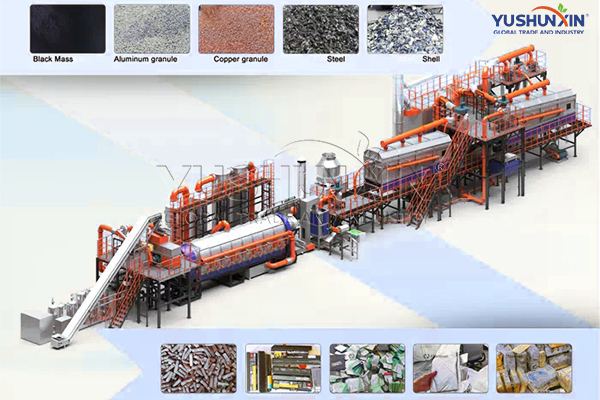
Copper and aluminium are recovered as separate fractions from the casing, foils and connectors. Their value drops quickly when they carry electrode powder or when copper and aluminium mix together, so the separation stages are tuned to keep each stream clean. The trade-off is familiar: pushing purity too hard on one fraction can drag yield down, so the line is balanced against the refiner's specifications and the smelter's tolerance rather than a single purity number.
Discharge, inerting, dust and explosion safety
Battery shredding carries two risks: thermal runaway from residual energy and combustible dust from casings, separators and electrodes. The line manages both as part of the route. Discharge or stabilisation sits at the front, nitrogen inerting keeps oxygen below 3% in the critical chamber, and dust collection is sized with the shredding duty. The buyer must confirm the utility, fire and emission interfaces so the equipment integrates cleanly with the site, because safety is a design basis, not a bolt-on.
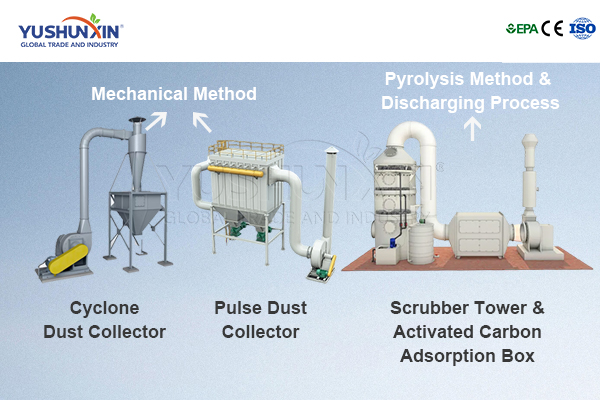
Emissions and the site permit
The dry process discharges no wastewater, but it does produce dust and a gas stream that must be handled. The emission and dust basis changes the site layout and the permit, so it is fixed before manufacture rather than after the equipment is specified. A plant specified without its emission basis can end up unable to operate legally, which is the most expensive possible mistake in a battery project.
Throughput scaling and configuration options
The ENV-SOL-LFP envelope runs from 500 to 3,000 kg/h of battery cells, so a plant can start with a first module and scale as feed supply grows. Scaling is not simply adding a bigger shredder: the discharge, inerting, separation and dust stages must be balanced at each capacity step. Buyers who plan to phase capacity should say so at the start, so the first purchase is laid out for expansion instead of becoming a dead end that must be re-engineered later.
How to specify and compare suppliers
Compare suppliers on the same basis: define the chemistry, format, condition and state of charge, the target throughput, and the quality targets for black mass, copper and aluminium, then ask each supplier for the discharge route, the inerting and shredding duty, the separation stages and the utility and emission interfaces. A supplier that quotes a machine price before asking for the feed is not answering the same question, and the missing stages will reappear as site work and permit problems.
- Chemistry and cell format
- Physical condition and state of charge
- Target throughput per hour and per year
- Black mass, copper and aluminium quality targets
- Site power, footprint, fire and emission basis
Delivery, commissioning and after-sales
Delivery is not the end of the project. The line is manufactured, tested and shipped, then installed and commissioned against the agreed basis, with a continuous test on real material before handover. After-sales covers the operating support, spare parts and the performance questions that only appear once the plant runs. Asking how commissioning is proven and what happens after handover is as important as the machine specification, because a line that cannot be brought into stable operation has not actually been delivered.
Battery route decision in three steps
Chemistry, format, condition and state of charge set the discharge and shredding design. NCM and LFP do not behave the same way, and packs need different pre-treatment from bare cells.
- Black mass composition and moisture for the refiner
- Copper and aluminium cleanliness for the smelter
- Residual electrolyte and separator handling
Discharge, inerting, dust collection and fire interfaces are fixed with the route and the site permit before manufacture, because they cannot be retrofitted cheaply.
Battery recycling FAQ
Which chemistries and formats can the line handle?
The line is configured against the actual chemistry and format rather than a single generic setting. NCM and LFP streams route differently because their value concentrates in different fractions, and cylindrical 18650 or 21700 cells, prismatic cells, modules and full EV packs each need a different pre-treatment sequence before shredding.
Packs must usually be discharged and de-cased or dismantled before the cells are reduced, while production scrap may arrive already separated but still carrying residual charge. The discharge, shredding and separation design therefore follows the feed, not the other way round.
If you process a mixed stream, describe the chemistry split, the formats and the state of charge. We will confirm whether one line handles the blend or whether the stream should be split first, and we will state the equipment boundary so there is no ambiguity about what the line produces.
The same discipline applies to packaging and transport. How the spent batteries are delivered, stored and charged determines what the front end must do before shredding, and a route that ignores transport constraints can be specified around a feed state that never arrives at the plant.
Transport constraints also set the front-end duty. Batteries that arrive in a partially dismantled state need less preparation than whole packs, and batteries that must be stored before processing need a handling and charge policy that the discharge step can accept. Stating the arrival condition is therefore as important as stating the chemistry.
The same applies to packaging. Pallets of pouch cells, drums of cylindrical cells and crate loads of modules all feed the line differently, and the handling equipment has to match how the material arrives. A route specified without the packaging and transport basis can be correct on paper and wrong on the first delivery.
The packaging and transport basis is therefore part of the specification, not a logistics note to be resolved after the order.
What safety and emission basis applies to the line?
Battery shredding carries thermal runaway risk from residual energy and combustible dust risk from casings, separators and electrode materials. The line manages both as part of the route: discharge or stabilisation sits at the front, nitrogen inerting keeps oxygen below 3% in the critical chamber, and dust collection is sized with the shredding duty.
The dry process discharges no wastewater, but it does produce dust and a gas stream that must be handled. The emission and dust basis changes the site layout and the permit, which is why it is fixed before manufacture. A plant specified without its emission basis can end up unable to operate legally.
The buyer confirms the utility, fire and emission interfaces so the equipment integrates cleanly. We state which parts of the safety system fall inside the equipment boundary and which are site responsibilities, so there is no gap in the design.
A written boundary also matters for insurance and permitting. The operator's insurer and the permitting authority both want to know which systems the supplier guarantees and which the site provides, and a clear split makes that answer straightforward instead of a negotiation during commissioning.
The boundary also protects the operator when something goes wrong. If the inerting, dust and discharge systems are split across suppliers with no written boundary, a fault becomes a dispute about responsibility. A documented split means each party knows what it must deliver, and the site knows who to call.
That clarity is worth more than it first appears, because battery incidents do not happen conveniently. When a fault occurs, the operator needs to know immediately which system is in scope and which supplier owns it, without reconstructing the responsibility from emails and purchase orders. A written boundary is the difference between a quick recovery and a drawn-out dispute.
Where does the black mass go after the line?
The line produces a black mass fraction plus copper and aluminium for downstream refining. The hydrometallurgical refining step itself sits outside the equipment boundary unless explicitly agreed, so the buyer should confirm the refiner's acceptance specification before fixing the black mass target.
Black mass value depends on composition, moisture and how cleanly copper and aluminium have been separated. The line affects all three, which is why the separation stages are balanced against the refiner's specification rather than a single purity number.
If you already have a refiner or offtake agreement, send its specification. We will set the separation targets to match it, which avoids producing a fraction that is clean in one dimension but fails the refiner's acceptance on another.
Black mass is a specification, not a commodity. Two refineries can accept very different moisture, composition and copper limits, so the line is set for the refiner you actually sell to. Fixing that target early prevents the line from being built to a purity number that no buyer is asking for.
The same is true of copper and aluminium limits. A refiner that tolerates very little copper in the black mass forces a cleaner separation, which costs capacity, so the buyer has to balance purity against throughput. Stating the acceptance limits up front lets the supplier show that trade-off explicitly instead of burying it in a quotation.
A buyer who hides the acceptance limits to avoid complicating the enquiry ends up with a more complicated project. The line is built to an assumed purity, the first test sample fails, and the rework costs more than the original conversation would have. Sending the refiner's specification early is the cheapest risk reduction available.
The cheapest risk reduction in a battery project is sending that document before the first quotation, because everything downstream is set from it.
A final point on scope: the hydrometallurgical refining step sits outside the equipment boundary unless explicitly agreed, so the buyer's offtake arrangement and the line's separation targets must be fixed together. Confirming both before quotation prevents a line that produces a fraction no refiner will accept. The same holds for the refiner's copper and aluminium limits, which decide how clean the metal fractions must be and therefore how many separation stages the line needs.
Planning a battery line in phases
How do I phase a battery recycling line as feed volumes grow?
Start from the end state. Define the chemistry, format and the target fractions at the final capacity, then confirm which stages can be added in steps and which must be built at full size from the start. The discharge and inerting basis is usually the part to get right first, because retrofitting safety systems is far more expensive than adding separation capacity.
Phase the feed supply honestly. A line that is sized for a volume that never materialises wastes capital, while a line that is too small creates a bottleneck the moment supply grows. We size the first module against the volume you can actually contract, then lay the rest out for the next step.
Keep the control and dust interfaces expandable. If the first shredder and separation train are specified with the future stages in mind, adding capacity later is a matter of connecting modules rather than replacing the control architecture.
Finally, agree the refiner's specification before each phase. Black mass, copper and aluminium targets can change as the feed mix changes, and each phase should be specified against the acceptance limits your offtake partner will actually apply at that stage.
Phasing also changes the control architecture. If the first module is specified with the future separation and dust stages in mind, adding capacity later is a connection exercise rather than a re-engineering, and the operating team keeps one logic instead of learning a new system at each phase.
Planning the phases on paper before the first order is what makes that possible. A sketch of the final layout, the future utility demand and the control points costs little and saves the buyer from having to tear out the first installation when phase two arrives. It is the difference between a phased project and two unrelated projects.
The phased plan then becomes the reference for every later decision, from the first utility connection to the final separation stage.