
Vietnam - Lithium Battery Physical Sorting Line
A turnkey dry separation line under nitrogen inerting yielding clean copper and aluminium granulates and high-grade black mass for downstream refining.
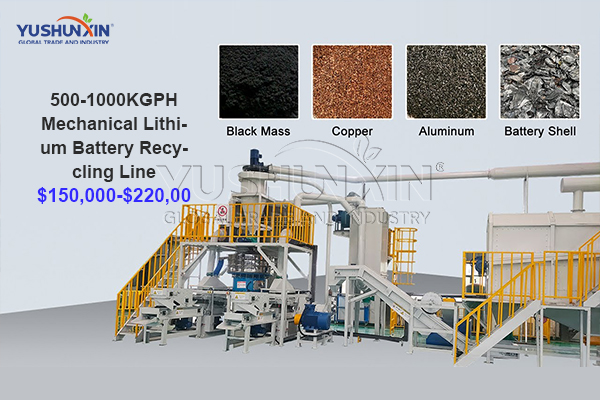
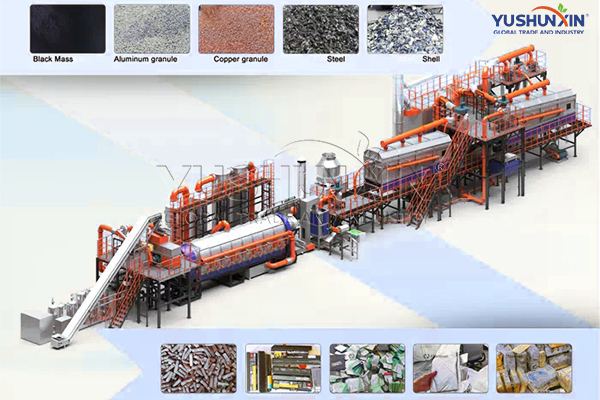
This reference shows a turnkey lithium battery physical sorting line delivered to Southeast Asia. The line processes spent lithium-ion cells and packs through inerted shredding and dry physical separation, keeping the dust and energy-release risks inside the design basis while producing black mass, copper and aluminium.
| Region | Vietnam / Southeast Asia |
|---|---|
| Application | Lithium battery whole physical sorting |
| Scope | Turnkey line |
| Outputs | Copper and aluminium granulates, battery-grade black mass |
| Safety | Nitrogen inerting |
Scope: one turnkey battery line
The project was scoped as a turnkey line, meaning the discharge, shredding, separation and dust stages were delivered as one integrated system rather than separate machines joined on site. The design basis was fixed around the cell chemistry, format and throughput, with the safety approach built into the route from the first drawing. Scoping it turnkey kept the interfaces inside one responsibility, which matters for a battery line where the safety systems must work together.
Cell feed and the site basis
The line receives spent lithium-ion cells and packs, with the format and state of charge varying by source. The front end is sized to discharge or stabilise the material before reduction, and the site's power, dust and fire interfaces were confirmed early. In a hot, humid climate the material handling also has to account for moisture and storage, which is part of the design basis rather than an operating detail.
Discharge, shredding and separation
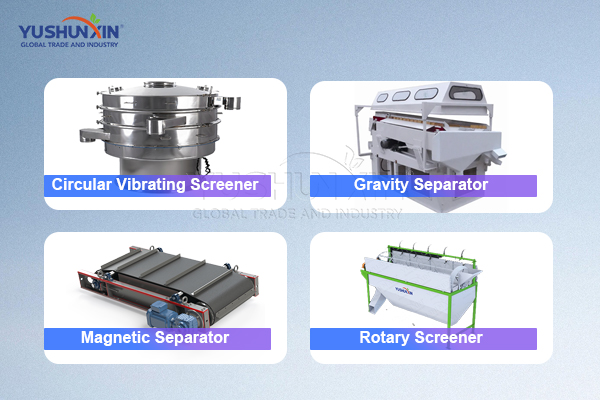
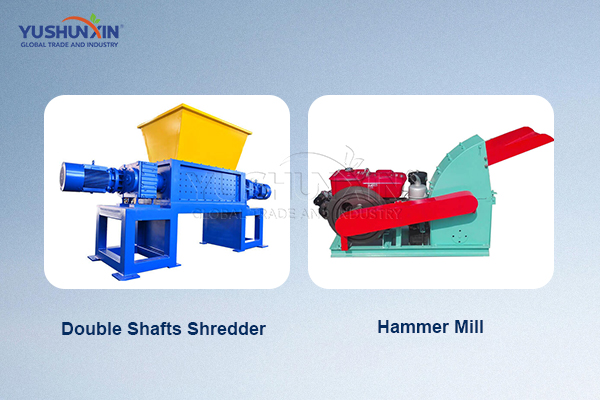
Cells and packs move through safe discharge, inerted shredding and dry physical separation. Magnetic, density and screening stages route the material so black mass, copper and aluminium leave through dedicated streams, with the dust handled inside the equipment boundary. The key equipment is the inerted shredder and the separation train, sized together so the line produces clean metal granulates and a black mass fraction ready for downstream refining.
Safety, inerting and dust basis
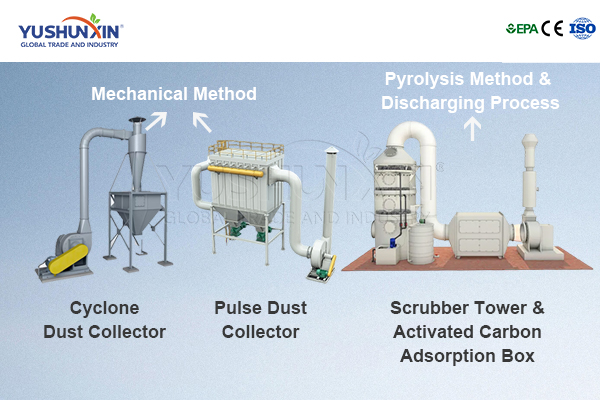
Battery shredding carries thermal runaway risk and combustible dust risk, and the line manages both as part of the route. Nitrogen inerting keeps oxygen below 3% in the critical chamber, discharge or stabilisation sits at the front, and dust collection is sized with the shredding duty. The buyer's fire and emission interfaces were confirmed before manufacture, so the safety system is a designed part of the line rather than a set of add-ons.
Manufacture and dispatch
The line was manufactured and tested within the fast manufacturing window used across the board, with the shredder, separation stages and dust system built and checked before dispatch. Electrical and control components were selected for the site supply and the local operating team, so the delivered line matched the site rather than forcing the site to adapt to the equipment.
Controls and automation
The line runs on the standard automation platform with the motor voltages matched to the site and the control scope covering discharge, shredding, separation and dust stages from one interface. A single control logic shortens commissioning and makes the safety interlocks auditable, which matters for a battery plant where operators need to see the inerting and dust status at a glance.
Site installation and commissioning
Commissioning followed the delivery sequence and ended with continuous testing on real battery material. Running the line against the actual feed proves the discharge step, the inerting performance and the separation quality meet the design basis, and it is where the specification assumptions meet reality. The operator's team was trained on the line during this phase, so handover was not a hand-off of documents but of an operating, proven plant.
What the line delivered
The operator gained a turnkey dry separation line that produces clean copper and aluminium granulates and a high-grade black mass fraction under nitrogen inerting, without wastewater discharge. The value sits in the sorted fractions: a refiner can take the black mass directly, and the metal granulates carry smelter value, while the safety systems keep the plant inside its design basis.
Lessons that transfer to similar battery projects
Three lessons transfer. First, fix the chemistry, format and state of charge before selecting the discharge and shredding design. Second, treat inerting and dust collection as part of the route, not optional extras, because they are the difference between a safe plant and an under-specified one. Third, commission on real material, because cell behaviour under inerted shredding only shows up when the actual feed runs through the line.
Scoping a comparable battery line
Send the chemistry, format, condition and target throughput, plus the quality targets for black mass, copper and aluminium. We will confirm the discharge route, the inerting and shredding duty, the separation stages and the utility and fire interfaces, and state which parts of the safety system are site responsibilities. That gives you a scope comparable to this reference rather than a machine price with no basis.
Vietnam battery line FAQ
What does turnkey scope include on this line?
Turnkey means the discharge, shredding, separation and dust stages were delivered as one integrated system under a single responsibility, rather than separate machines that the buyer joins on site. That matters for a battery line because the safety systems have to work together: discharge feeds the shredder, the shredder's inerting and dust collection protect the separation stages, and the control interlocks span all of them.
The scope includes the equipment, its control and the safety interfaces agreed in the design basis. Site utilities, civil work and the fire and emission interfaces outside the equipment boundary are confirmed separately, so both sides know where responsibility sits.
Ask any supplier to list what is inside and outside the scope. A turnkey claim without that boundary is just marketing, and the gaps show up as site work after the order.
The boundary also protects the schedule. When every interface is inside one scope, commissioning runs in a known sequence and problems are not passed between suppliers. That is why a battery line is a good candidate for turnkey delivery even when the buyer normally splits scopes.
The schedule benefit is especially visible at commissioning. When one supplier holds the interfaces, the test plan, the safety checks and the training run in one sequence, and the operator signs off on a system rather than a collection of machines. That is why turnkey is worth more on a battery line than the price difference suggests.
A split scope can hide schedule risk until it is too late. Each supplier waits for the next, the interfaces are tested for the first time on site, and a fault that would have been caught in the factory becomes a site stoppage. The turnkey price has to be compared against that risk, not against the machine list alone.
That risk-adjusted comparison is the measure a turnkey claim should be held to.
Why is nitrogen inerting part of this project?
Battery shredding carries two risks: thermal runaway from residual energy and combustible dust from casings, separators and electrodes. Nitrogen inerting holds oxygen below 3% in the critical chamber, which removes one leg of the fire triangle and keeps the shredding atmosphere controlled.
Inerting is not a substitute for discharge. Residual energy is still managed at the front end, and the inerting and dust collection work together with the discharge step as one safety basis. Leaving any of the three out would leave a gap in the design.
The buyer's site still needs the inert gas supply and the fire interfaces agreed in the design basis. We state which parts fall inside the equipment boundary and which are site responsibilities so the safety system has no gaps.
Inerting also protects material quality, not just safety. Holding oxygen low during shredding reduces oxidation of the metal fractions and helps the black mass stay closer to its target composition, so the same control that protects the plant also protects the product.
Oxidation also matters to the refiner. A black mass that carries oxidised metal behaves differently in downstream processes, and holding oxygen low during shredding keeps the material closer to the state the refiner expects. The same inerting control therefore protects both the plant and the value of the product it makes.
This is why inerting is not an optional upgrade on a battery line. A buyer who prices the shredder without the inerting system is pricing half a machine, and the material quality difference shows up in the first batch of black mass the refiner tests. The safety and product arguments for inerting are the same argument.
The two arguments are one: inerting protects the plant and the product at the same time, and skipping it saves money only until the first batch is tested.
Is the recovered black mass saleable directly?
The line produces a separated black mass fraction plus copper and aluminium for downstream refining. The refining step itself sits outside the equipment boundary unless agreed, so whether the black mass is directly saleable depends on the refiner's acceptance specification.
The line is specified to reach the black mass quality the buyer's refiner requires, which is why the refiner's specification is an input to the project rather than an afterthought. Composition, moisture and freedom from copper and aluminium are the three properties that matter.
If you already have an offtake agreement, send the acceptance specification. We will set the separation targets to match it, avoiding a fraction that is clean in one dimension but fails the refiner on another.
The refiner's specification is therefore an input, not an afterthought. Composition, moisture and freedom from copper and aluminium are the three properties that matter, and the line is set for the acceptance limits your offtake partner actually enforces.
That is why the offtake agreement should be read before the equipment is quoted. The acceptance limits in that document are the line's performance targets, and a supplier who has not seen them is guessing. Sending the document up front turns a vague request for clean fractions into a specification with numbers that can be tested.
The agreement also tells the supplier where to stop optimising. Once the acceptance limits are met, further purity costs money without adding value, so the line is balanced against the document instead of chasing an abstract purity. That keeps the separation train from being over-built for a standard no buyer is enforcing.
The offtake agreement is therefore the document that finishes the specification, and the line is balanced against exactly what it says. Nothing after that document should be a guess, and no supplier should be quoting blind.
The project also illustrates why the safety basis is stated before the machine list. Nitrogen inerting, discharge and dust collection are not features to be added to a shredder; they are the route. A buyer who prices a battery line by the shredder alone is pricing a fraction of the system, and the missing safety stages reappear as site work that no single supplier has accepted responsibility for.
Finally, the reference shows the value of turnkey scope in a first project. When one supplier holds the discharge, shredding, separation and dust interfaces, the commissioning sequence is known and the operator trains on the system as a whole. That matters most for teams new to battery processing, where the fastest way to build confidence is to run the complete line on real material during handover. The turnkey boundary also changes how the buyer manages risk: a fault is diagnosed against one design basis without being argued between suppliers, and the permit documentation is easier to assemble because the interfaces are already stated. The integrated scope means the team that designed the inerting and dust controls is the same team that answers the operating questions, not a chain of vendors each defending their own stage. Ask any supplier to price the same complete scope, and the differences become visible; that comparison, not the shredder price, is the one that decides whether the plant can actually run. Specify the line as a system, not a machine, and send the chemistry, format, condition and target fractions so the comparison is made on the same basis as this reference. The useful version of this reference is the system story, not the machine list: the discharge, inerting, separation and dust stages only create value when they work as one route, and the evidence for safety and fraction quality only holds up when the interfaces sit inside a single documented scope.
Handing over a battery line safely
How do I hand over a battery recycling line to my operations team safely?
Handover starts during commissioning, not after it. The operations team should run the line on real material while the supplier is still on site, because the discharge behaviour, the inerting status and the separation adjustments are learned by operating, not by reading a manual.
Document the safety interlocks and the alarms. The team needs to know what the inerting and dust status indicators mean, which alarms require a stop, and which faults can be cleared while running. This is an audit trail for the permit as well as a training aid.
Agree the operating boundaries before the supplier leaves: the chemistry and format range, the state of charge limits, and the residual energy the front end can accept. A team that knows the boundaries does not feed the line material it was not specified for.
Finally, keep the after-sales path open. The questions that appear in the first months of operation are normal, and having the supplier confirm an adjustment is faster and safer than guessing. A clean handover is the start of the operating life, not the end of the project.
The after-sales path also carries the operating history forward. When the supplier keeps the design basis and the commissioning records, the first questions are answered against the actual plant rather than a generic manual, and the operator builds confidence faster. That continuity is part of what a clean handover should include.
The operating history also protects the permit. The inerting status, temperatures and alarms recorded from day one are the evidence the authority expects, and a supplier that keeps those records makes the first audit far easier. A clean handover is therefore an operating asset, not just a nice end to the project.
The handover is where the plant starts earning, and the records from that day are what keep it earning through the first audit.