
Aluminium Decoating: Energy Recovery and Emissions Control
Removing lacquer and coatings before melting protects metal yield, and the volatilised coating can be recirculated as fuel. The engineering question is how to do both inside the site's emission basis.
Decoating is usually discussed as a yield question, but it is equally an energy and emissions question. This briefing explains how the three fit together for UBC and coated aluminium scrap.
Why decoating before melting wins
When coated aluminium is charged directly into a melt furnace, the coating burns inside the melt chamber, consuming metal as dross, adding carbon and oxide load to the bath and complicating the furnace off-gas. Removing the coating first under controlled low-oxygen conditions keeps the charge clean and the emission stream manageable. For UBC, the confirmed decoating result is below 0.5% metal burn loss. This briefing walks through how that yield gain connects to energy recovery and the site's emission basis.
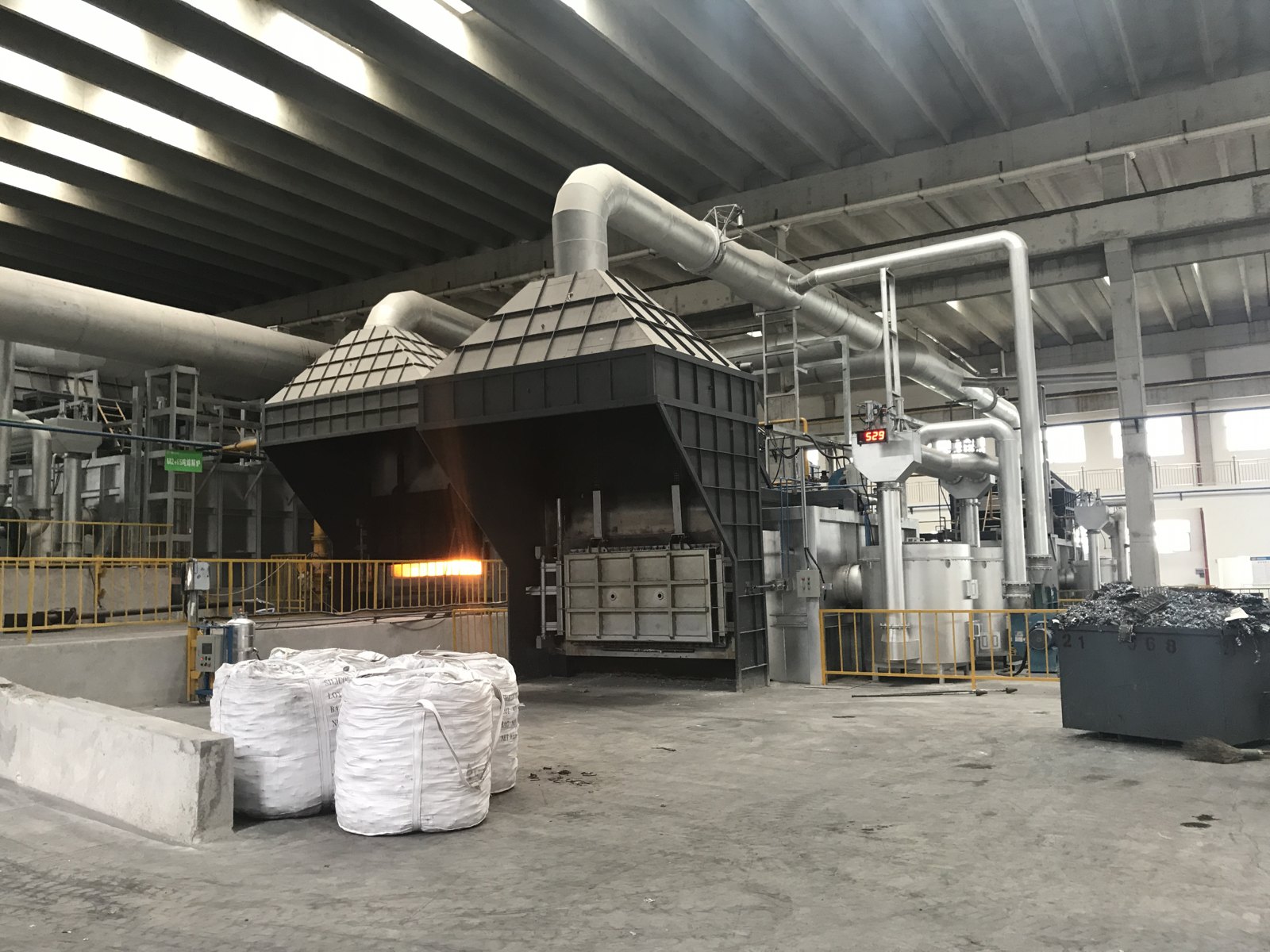
The energy loop in the furnace
The volatilised coating does not have to be a disposal problem. In the UBC furnace it is recirculated as a fuel gas and the remainder is treated, which reduces the external energy the furnace needs. In aluminium-plastic delamination the polymer is gasified under oxygen-free conditions and the resulting fuel gas can offset process energy. The exact balance depends on the coating load and throughput, so it is confirmed per project rather than quoted as a universal figure.
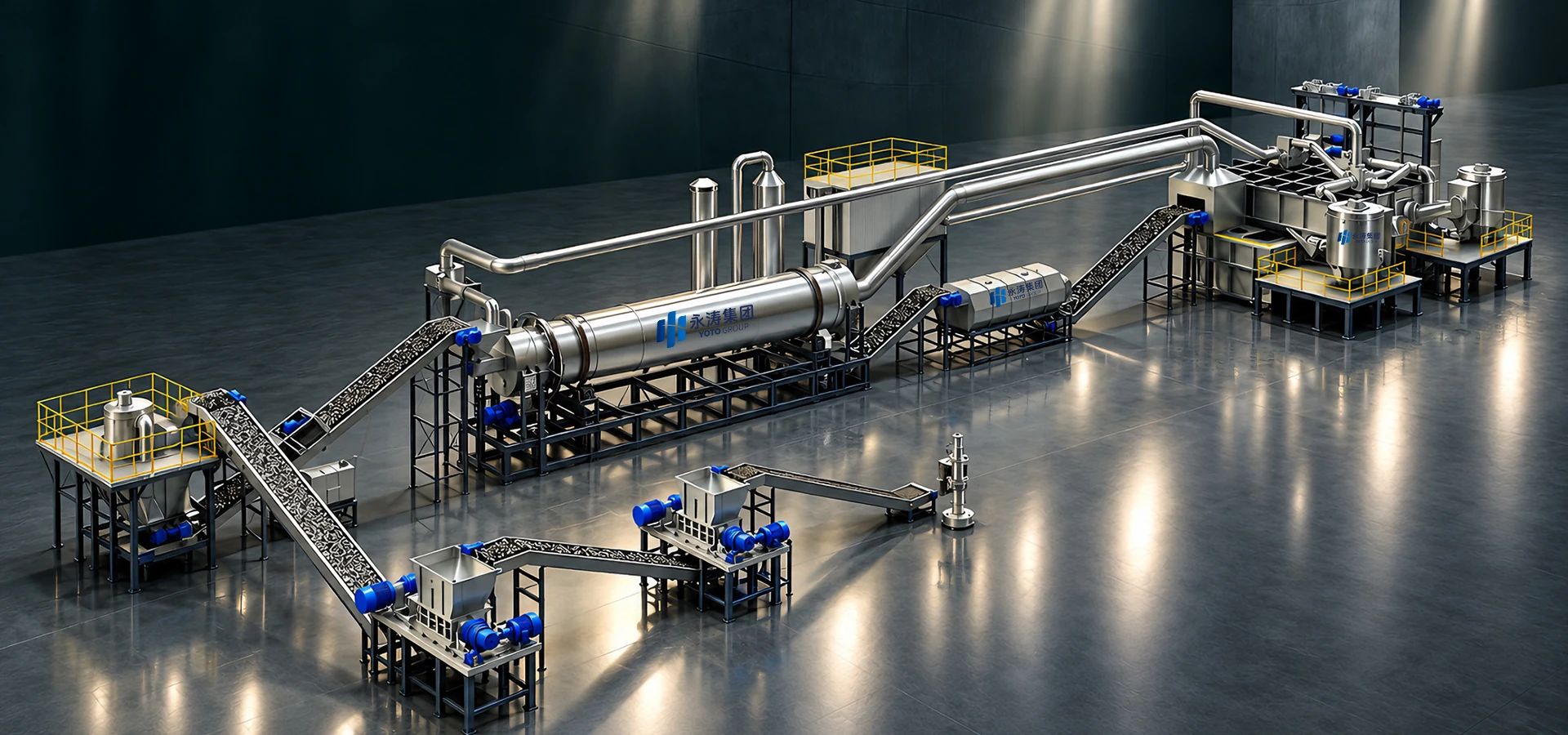
Emission and permit interfaces
Decoating releases coating volatiles, so the off-gas route is part of the machine specification. The design is framed by the published thermal process emission basis, including thermal oxidation and downstream gas cleaning, and the buyer's permit determines the final interfaces. Asking for the coating chemistry and the site emission basis before quotation keeps the furnace from being specified in a way the site cannot legally operate, and it makes competing bids comparable on the same basis.
Buyers who treat the off-gas as a separate purchase usually pay more overall. The furnace and its gas handling are one system, and sizing them together is the only way to know whether the recirculation loop, the thermal oxidation duty and the permit interface all agree. Splitting them across suppliers leaves the interfaces to be resolved on site, where changes cost the most.
Aluminium decoating energy FAQ
How much external energy does a decoating furnace need?
It depends on the coating load and throughput of the real feed. Where the paint load allows, the volatilised coating is recirculated as fuel and the furnace approaches self-sustaining operation, but start-up always needs external heat and a low-coating feed needs more support. The balance is confirmed per project.
Does decoating change the site permit?
It can, because decoating releases coating volatiles. The off-gas system is sized with the furnace and the site emission basis, and the permit determines the final interfaces. Fixing this before quotation keeps the furnace from being specified in a way the site cannot operate.