
PV Module Waste and the WEEE Context for European Recyclers
Under WEEE 2012/19/EU, photovoltaic modules are treated as electrical equipment. The practical consequence is that a PV line is specified against treatment and recovery requirements, not just machine throughput.
Photovoltaic modules have moved from a niche waste stream to a regulated treatment category. This briefing explains the WEEE context and what it means for the route a recycler selects.
Why modules are treated as electrical equipment
WEEE 2012/19/EU brings photovoltaic modules into the electrical equipment treatment system, which means a recycler handles them as a regulated stream with collection, treatment and recovery obligations rather than as general waste. For the equipment buyer the shift is practical: the line is chosen for its ability to recover the aluminium frame, glass, copper and the cell fraction to a saleable standard, and to do so with the emission and dust interfaces the site can permit.
What this means for line selection
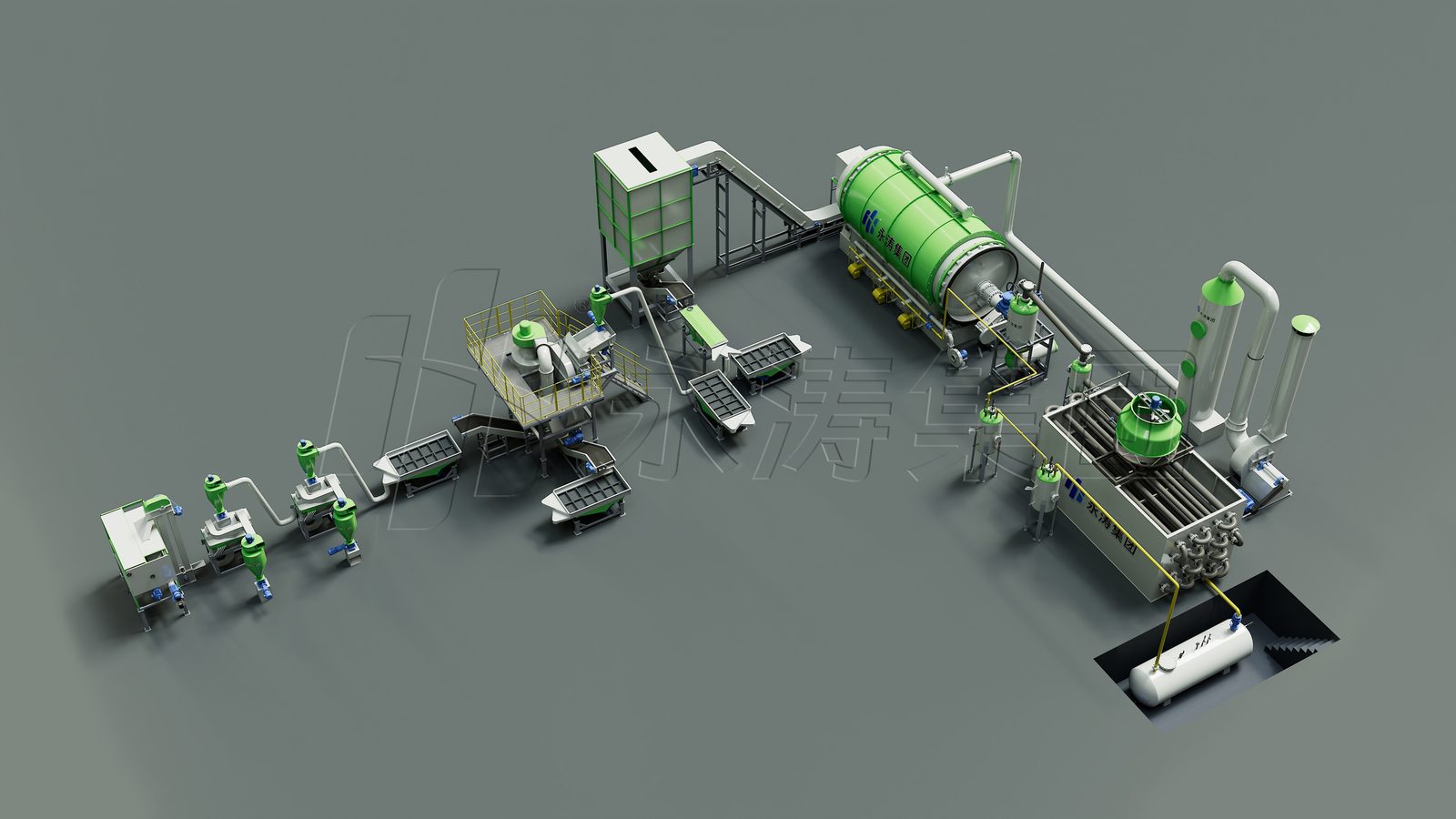
The WEEE context pushes buyers to think in fractions, not tonnage. A line that shreds modules into mixed material has not recovered the value and may not satisfy the treatment expectations the operator must document. The selection question becomes mechanical versus thermal treatment: mechanical routes separate the frame, junction box, glass and laminate, while thermal routes decompose the encapsulant to free the cell material. The choice follows the module mix and the fractions the business must sell.
Building a future-proof PV treatment route
A future-proof route starts from the real module mix, because framed single-glass, double-glass and frameless modules do not behave the same way. It also fixes the recovered fraction targets and the site's power, dust and emission basis before drawings. A route built this way can absorb the rising and changing decommissioning volumes without being re-engineered. The deep equipment detail for PV lives on the dedicated PV site, so this page stays focused on the European project decision and the treatment context.
The permit context is part of that future-proofing. A plant that may add a thermal stage later should confirm now that the site can permit it, even if it starts mechanical, because a mechanical line that can never be extended is a poor long-term investment. Fixing the emission basis early keeps every later decision open, and that applies as much to a small first line as to a full plant.
PV module waste FAQ
Does WEEE require a thermal route for PV modules?
No. WEEE sets the treatment and recovery context but does not dictate one route. Mechanical and thermal routes both have a place, and the choice follows the module mix and the fractions you must sell. We confirm the route from your feed and targets rather than from the regulation alone.
How do I prepare for rising module volumes?
Specify the line against the real module mix now, and lay out the site for expansion. Fixing the glass construction, frame condition and target fractions first means the route can absorb changing volumes without being re-engineered later.