
Germany - Solar Panel Continuous Pyrolysis Project
A 20,000 tons per year continuous pyrolysis installation recovering over 120 kg of pure silver annually, specified against the EU WEEE Directive and German TA-Luft emission norms.
This reference shows a thermal PV recycling route at production scale. The installation processes end-of-life crystalline silicon modules under an oxygen-free continuous pyrolysis route, with the off-gas system sized to meet German TA-Luft limits and the recovered fractions routed for reuse.
| Region | Germany / Central Europe |
|---|---|
| Application | Solar panel continuous pyrolysis |
| Capacity | 20,000 tons per year |
| Compliance | EU WEEE Directive, TA-Luft emission norms |
| Recovery | 120+ kg of pure silver per year |
Scope: a continuous pyrolysis line
The project was specified as a continuous thermal treatment route for end-of-life crystalline silicon modules, with the design basis fixed around the module mix, the annual volume and the fractions the operator must sell. A continuous route was chosen because the plant receives a steady volume and because thermal treatment frees the cell material for silver recovery in a way mechanical separation alone does not. The scope was the process line and its off-gas interface, with the site utilities and permit boundaries agreed before manufacture.
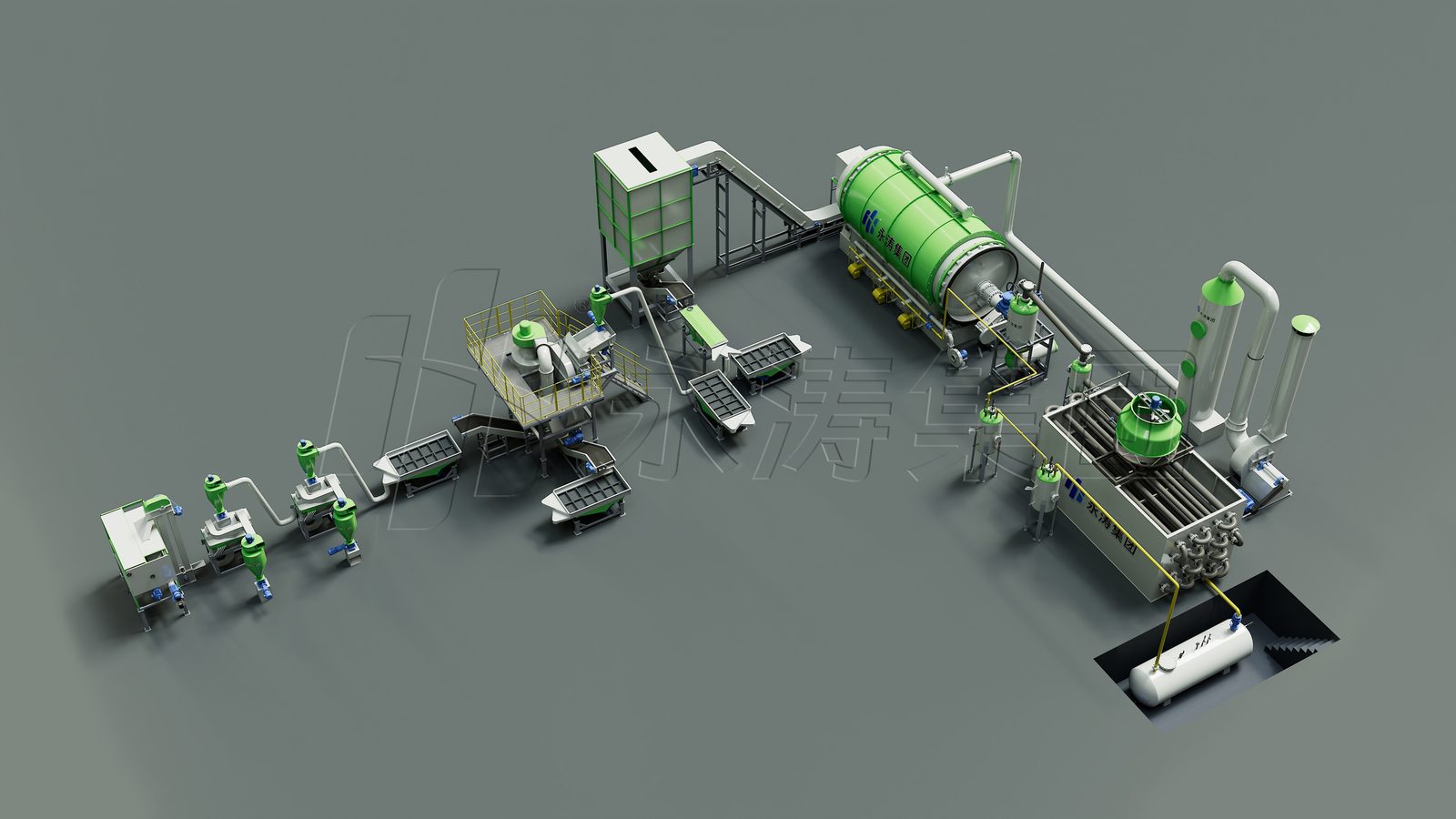
Module mix and the German site
End-of-life crystalline silicon modules arrive in mixed condition, with glass thickness, frame condition and encapsulant age varying by vintage. The front end of the installation is sized to accept that variation rather than assume a perfect sorted feed. Feed supply in Germany is shaped by collection schemes and the WEEE treatment requirement, which means the plant had to demonstrate a route that treats modules as electrical equipment and meets the recovery targets rather than simply shredding them.
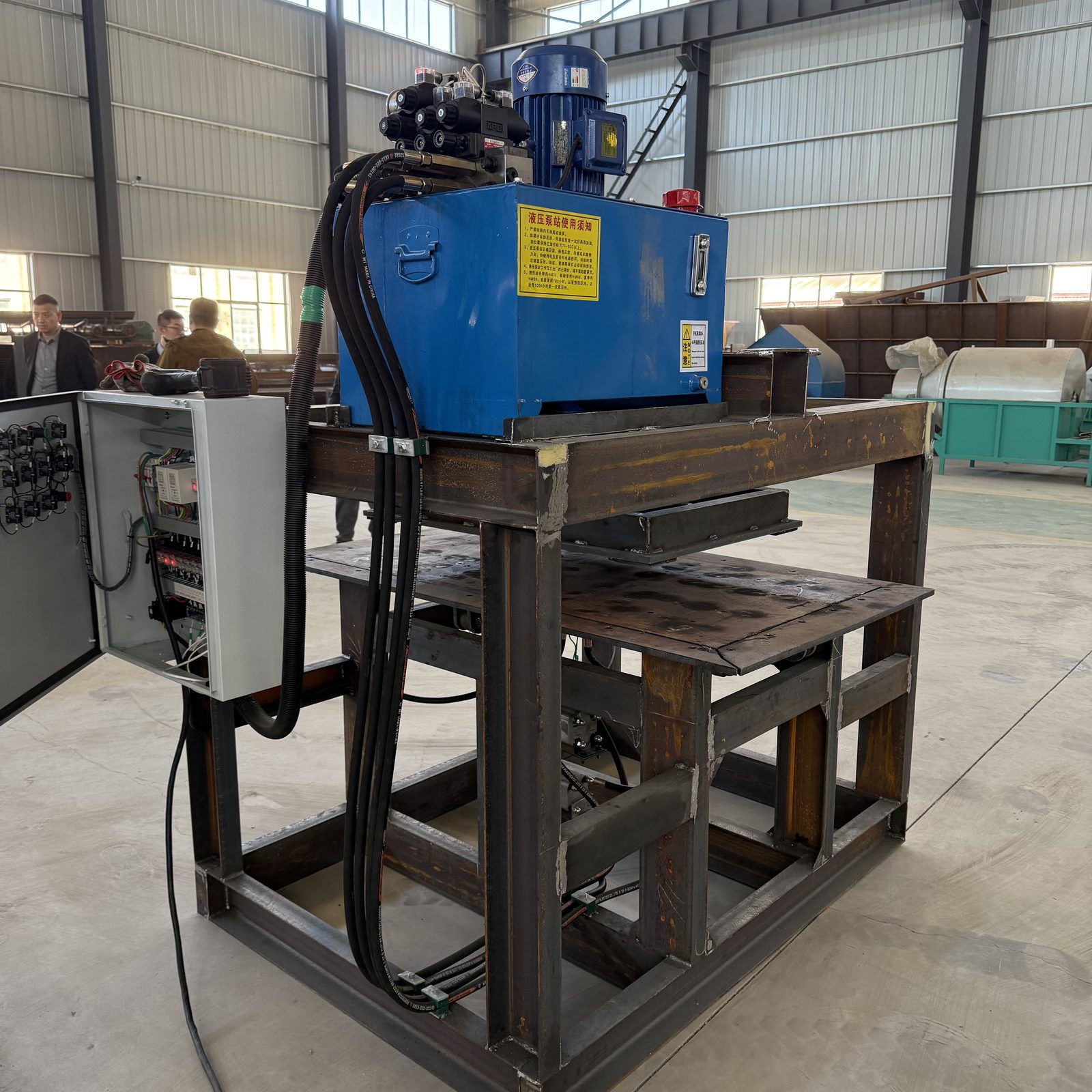
The thermal route and key equipment
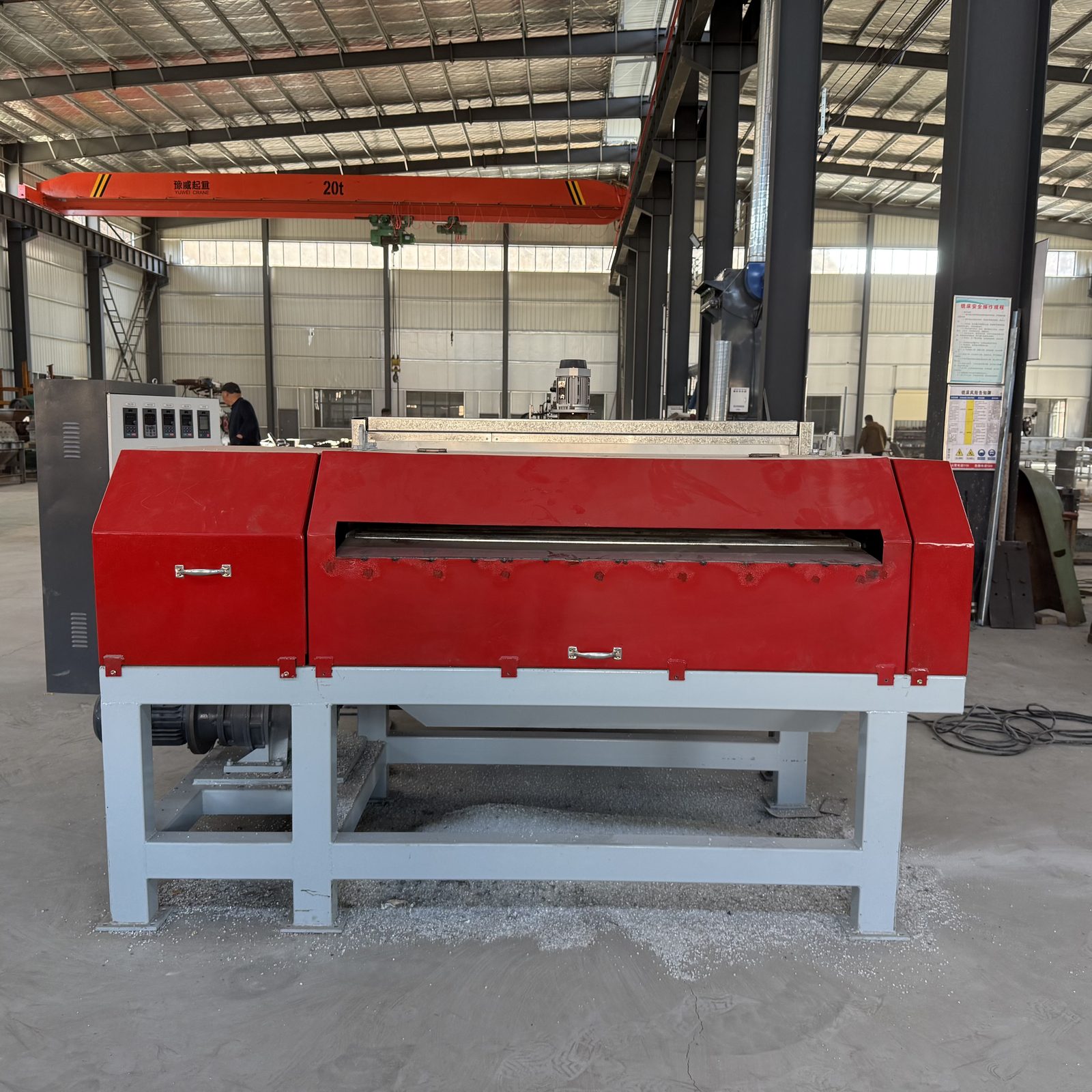
Modules move through front-end preparation and into the oxygen-free pyrolysis stage, where the encapsulant decomposes and the laminate releases its fractions. The recovered material is then separated so glass, metal and the silicon or silver-bearing fraction leave through dedicated streams. The key equipment is the continuous pyrolysis furnace, supported by feeding, off-gas and separation stages that are sized together so the line runs as one system rather than a series of mismatched machines.
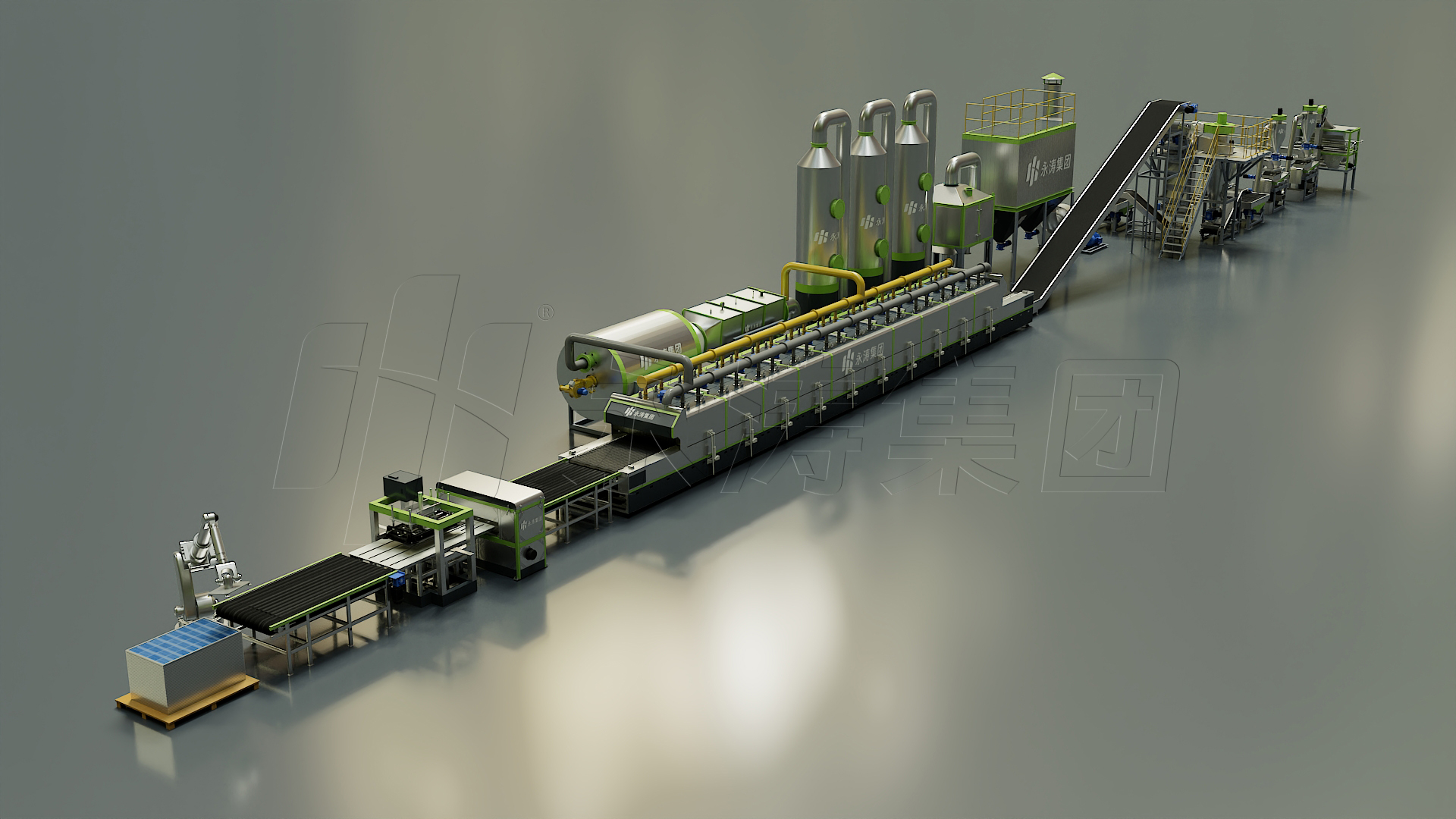
Compliance and emission basis
A thermal PV line in Germany has to meet TA-Luft emission norms, which set the off-gas design from the start. The installation's off-gas system is sized for the encapsulant decomposition products and the thermal oxidation duty, so the plant operates inside its permit rather than fitting the emission controls afterwards. The WEEE context also means the operator treats modules as electrical equipment and documents the treatment and recovery performance, with the equipment supplier's boundary kept explicit.
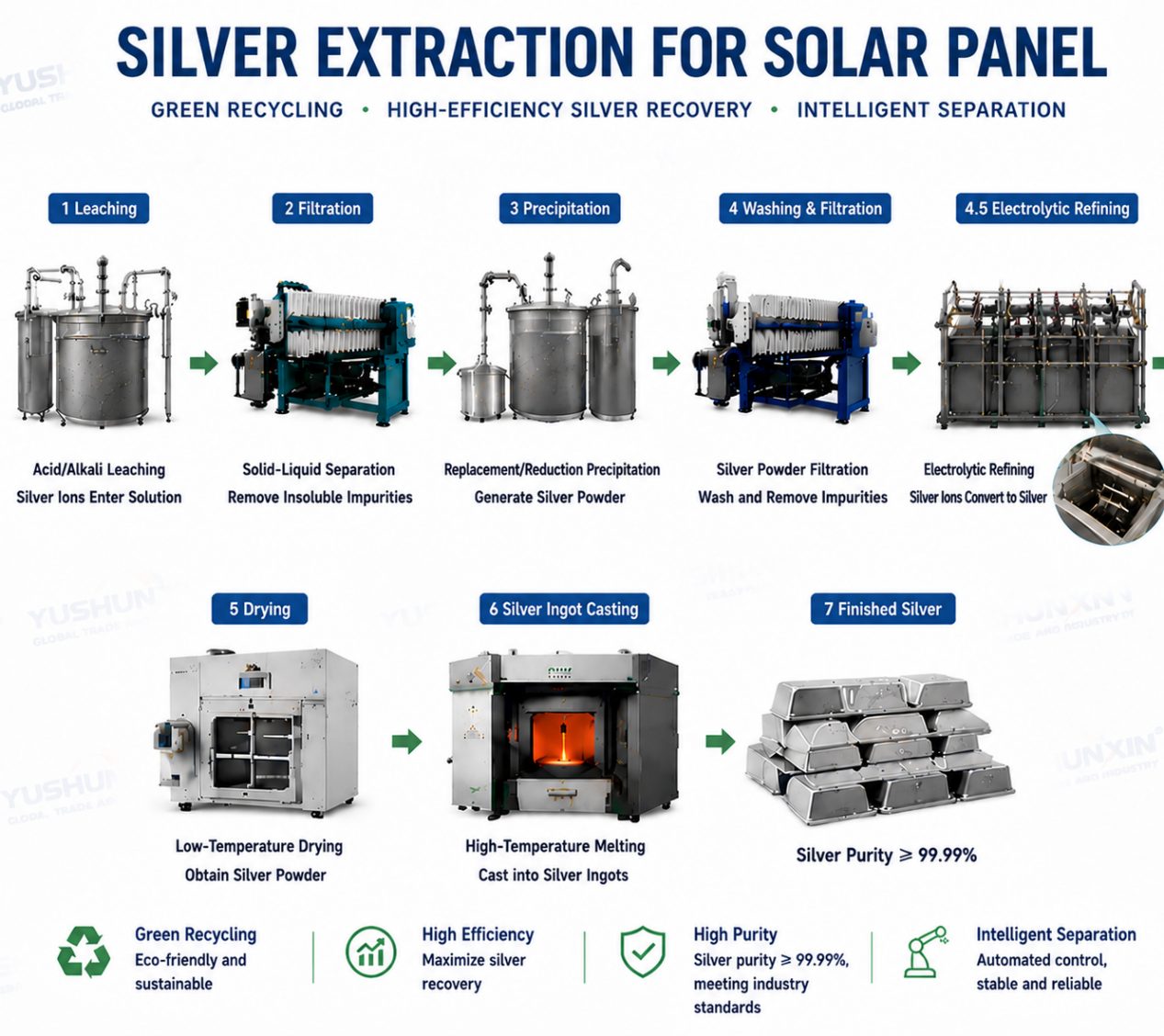
Manufacture and delivery
The line was manufactured and tested within the fast manufacturing window the engineering team runs for thermal process equipment, using the standard electrical and control building blocks confirmed across the board. Shipping and installation were planned against the site's available craneage, power and storage, so the modules arrived in an order that matched the assembly sequence rather than creating a site bottleneck.
Electrical and control integration
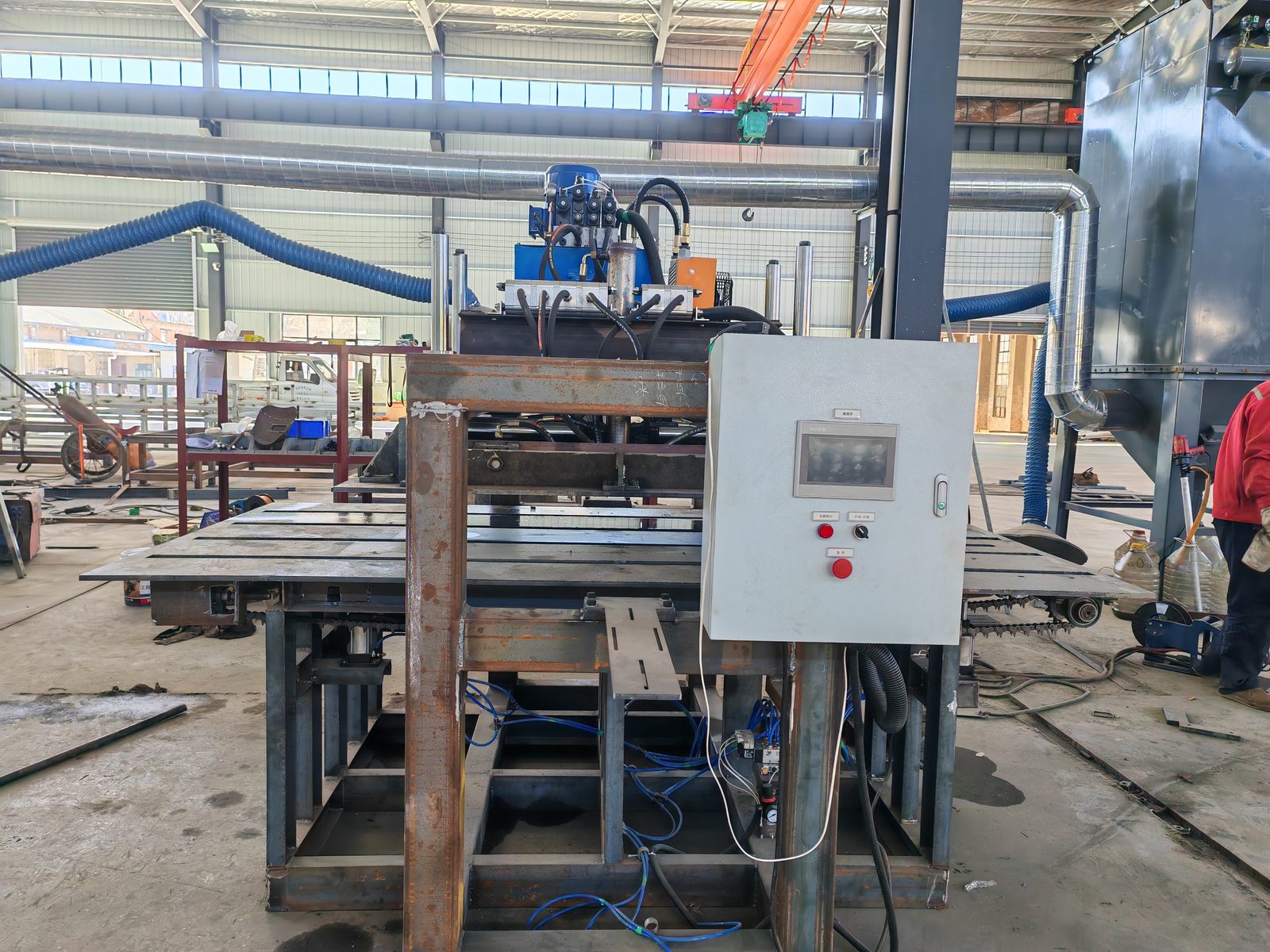
The pyrolysis installation is controlled through the standard automation platform, with the motor voltages matched to the German site supply and the control architecture allowing the operator to supervise temperature, feed rate and the off-gas stages from one interface. Keeping the control scope consistent with the other boards means the operator's maintenance and engineering teams work with one logic, which shortens commissioning and reduces the training load.
Installation and commissioning
Commissioning followed the delivery sequence: mechanical assembly, electrical and control checks, dry runs and then continuous testing with real module material. Running the line against the actual feed is what proves the temperature profile, the off-gas performance and the recovered fraction quality meet the design basis. The commissioning period is the point where the specification assumptions meet the real feed, and any adjustment is made before the plant is handed to the operator.
What the operator gained
The headline outcome is the recovery of over 120 kg of pure silver per year from a 20,000 tons per year feed, alongside the glass and metal fractions that the thermal route frees. The operator gained a treatment route that handles the real, mixed condition of end-of-life modules inside the German emission and WEEE context, with a continuous process suited to a steady feed rather than a batch campaign.
Lessons that transfer to similar PV projects
Three lessons transfer. First, fix the module mix and the target fractions before choosing between mechanical and thermal treatment, because the route follows the feed and the saleable outputs. Second, size the off-gas system with the furnace and the permit from the start, especially where TA-Luft-class emission norms apply. Third, validate the route with real modules during commissioning rather than accepting a dry test as proof, because encapsulant behaviour only shows up under continuous thermal load.
Scoping a comparable PV project
To scope a comparable installation, send the module mix and glass construction, the annual and hourly volume, the fractions you must sell and the site emission basis. We will confirm whether a continuous thermal route or a mechanical route fits, what the off-gas and permit interfaces must cover, and which equipment detail on the dedicated PV site matches the project. We also state the information still needed before a firm proposal.
Germany PV pyrolysis project FAQ
Why was a thermal route chosen for this project?
The project targeted the silver-bearing cell fraction, which is freed by decomposing the encapsulant under an oxygen-free thermal route. Mechanical separation alone releases the frame, glass and copper but leaves the cell material bound in the laminate, so it does not reach the silver as directly.
A continuous route was chosen because the plant receives a steady annual volume and needs a process that runs continuously rather than in campaign batches. The oxygen-free atmosphere also protects the metal from oxidation while the encapsulant decomposes.
The same logic applies to any PV project: choose the route after defining the fractions you must sell. If silver and the cell fraction are the value, thermal treatment is the natural fit; if clean glass and aluminium are the value, a mechanical route may be simpler to permit.
The continuous choice also follows the volume. A 20,000 tons per year feed makes continuous operation the natural fit, while a smaller or campaign-based plant might justify a different arrangement. Route and operating pattern are decided together, not as separate questions.
The same logic applies to the feed supply. A continuous line needs a steady, permissioned stream of modules, and the operator has to be able to feed it day after day. If the supply is campaign-based, the plant may idle between batches, which changes the economics even when the equipment itself is identical.
A buyer should therefore present the supply profile alongside the equipment question. Whether the plant runs one shift, three shifts or campaign batches changes the labour, the energy and the maintenance plan, and a route specified for continuous operation is not automatically the cheapest route for intermittent feed.
The supply profile is part of the design basis, because the line has to run the way the supply actually arrives. Presenting it early keeps the route honest.
How is the German emission and WEEE context handled?
A thermal PV line in Germany has to meet TA-Luft emission norms, which set the off-gas design from the start. The installation's off-gas system is sized for the encapsulant decomposition products and the thermal oxidation duty, so the emission controls are designed into the line from the first drawing.
On the WEEE side, the operator treats photovoltaic modules as electrical equipment and documents the treatment and recovery performance. The equipment supplier's boundary is kept explicit, so the buyer knows which compliance evidence is supplied with the line and which obligations remain with the operator.
We reference the official frameworks rather than reproducing regulation text and do not issue compliance conclusions on the buyer's behalf. The practical point is that the emission and treatment basis must be part of the equipment scope from day one.
For a buyer the useful question is what evidence the supplier hands over and what remains with the operator. The equipment scope includes the off-gas design and the documents that support it, while the permit application and the operator's treatment reporting stay with the site, and that split is stated up front.
That split also protects the buyer during the permit process. The authority asks who is responsible for what, and a supplier that hands over clear equipment evidence makes the application faster than one that leaves the operator to assemble the technical file from scratch. The boundary is not a legal nicety, it is working documentation.
The same documents also become the audit trail after start-up. When the authority inspects the plant, the operator can show which systems the supplier delivered and which the site added, with the evidence for each. That is far easier than trying to reconstruct responsibility after the fact.
The audit trail then becomes a working record instead of a scramble at inspection time.
What makes this reference transferable to my project?
A reference transfers when the feed, the fractions and the compliance context are comparable. This project transfers to plants processing end-of-life crystalline silicon modules under a continuous thermal route with TA-Luft-class emission norms and a silver-bearing cell fraction as the value driver.
It transfers less directly to a plant that only needs clean glass and aluminium, where a mechanical route may fit better, or to a plant taking manufacturing scrap rather than end-of-life modules, which has a different front-end requirement.
Tell us your module mix, volume and target fractions, and we will say honestly which parts of this reference apply and where your project needs a different route. That is more useful than claiming every project is the same.
The most reliable way to test transferability is to send the module mix and the site basis, then compare them against this reference's design assumptions. Where they match, the reference transfers; where they differ, the differences tell you exactly what must be re-specified.
The comparison should also cover the operating pattern. A reference that runs continuously at a high utilisation rate transfers differently to a plant that runs one shift, because the labour, energy and maintenance profiles are not the same. Sending your shift pattern and supply forecast lets the comparison catch those differences before they become surprises.
The site itself is the other half of the comparison. Available power, footprint, dust and noise limits, and the waste interfaces already permitted all decide whether a reference can be reproduced on your site. Sending the site basis with the module mix turns the comparison from a guess into a check.
Sending both together is what turns a reference into a realistic scope for your plant instead of a borrowed result. That is how a case study becomes an engineering input you can act on.
The project also shows how a thermal PV reference should be read. The silver figure is the headline, but the transferable value is in the design basis: a continuous route chosen for a steady 20,000 tons per year feed, an off-gas system sized to TA-Luft from the start, and a commissioning run that proved the line on real modules. A buyer who copies the silver number without the basis will be disappointed, while a buyer who copies the basis can apply it to a different volume or module mix. That is the difference between a reference used as evidence and a reference used as marketing, and it is why this page states the assumptions, not only the result. A buyer should ask the same questions of any reference: what feed it assumed, what fractions it targeted, what off-gas basis it met, and how commissioning was proven. The answers show whether the reference is a fact you can build on or a result you cannot reproduce. Send us your module mix and volume, and we will run the same check against your site so the comparison is made on your terms, not on the reference's. That turns a one-page reference into a checkable template for your own project. Read the reference that way, and the silver figure stays a number you can check: the continuous route, the off-gas basis and the commissioning evidence only make sense together, and the silver figure is meaningful only because the assumptions behind it are stated.
Verifying a PV project reference
What evidence should I ask for before accepting a PV project reference?
Ask for the design basis, not just the headline result. A useful reference states the module mix, the annual and hourly volume, the route chosen and the fraction targets, because those are the assumptions the result depends on. A reference without its design basis cannot be checked against your own feed.
Ask what the off-gas and emission interfaces were, because they decide whether the reference transfers to your site. A 20,000 tons per year pyrolysis line in Germany carries a TA-Luft off-gas basis that a smaller mechanical plant may not need, and the two are not comparable on energy or permitting.
Ask how commissioning was proven. A continuous test on real modules is the evidence that the temperature profile, the off-gas performance and the recovered fraction quality met the design basis. A dry test or a start-up run without representative feed does not prove the same thing.
Finally, ask which parts of the reference are supplier scope and which are operator scope. The honest answer separates the equipment, the off-gas design and the documents supplied from the permit application and treatment reporting that stay with the site, and that separation is what makes a reference trustworthy.
That separation is the difference between a reference and a testimonial. A testimonial says the project was a success; a reference states the scope, the assumptions and the evidence so a buyer can judge whether the success would repeat. Ask for the scope split first, and the rest of the reference becomes checkable.
Checkability is what a serious buyer is really paying for when they study a case. A reference they can verify gives them confidence in the route, the off-gas design and the commissioning evidence, while a testimonial only gives them confidence in the marketing. The difference shows up on the first day the plant under-performs.